Korva is a scroll of the internet’s best ideas.
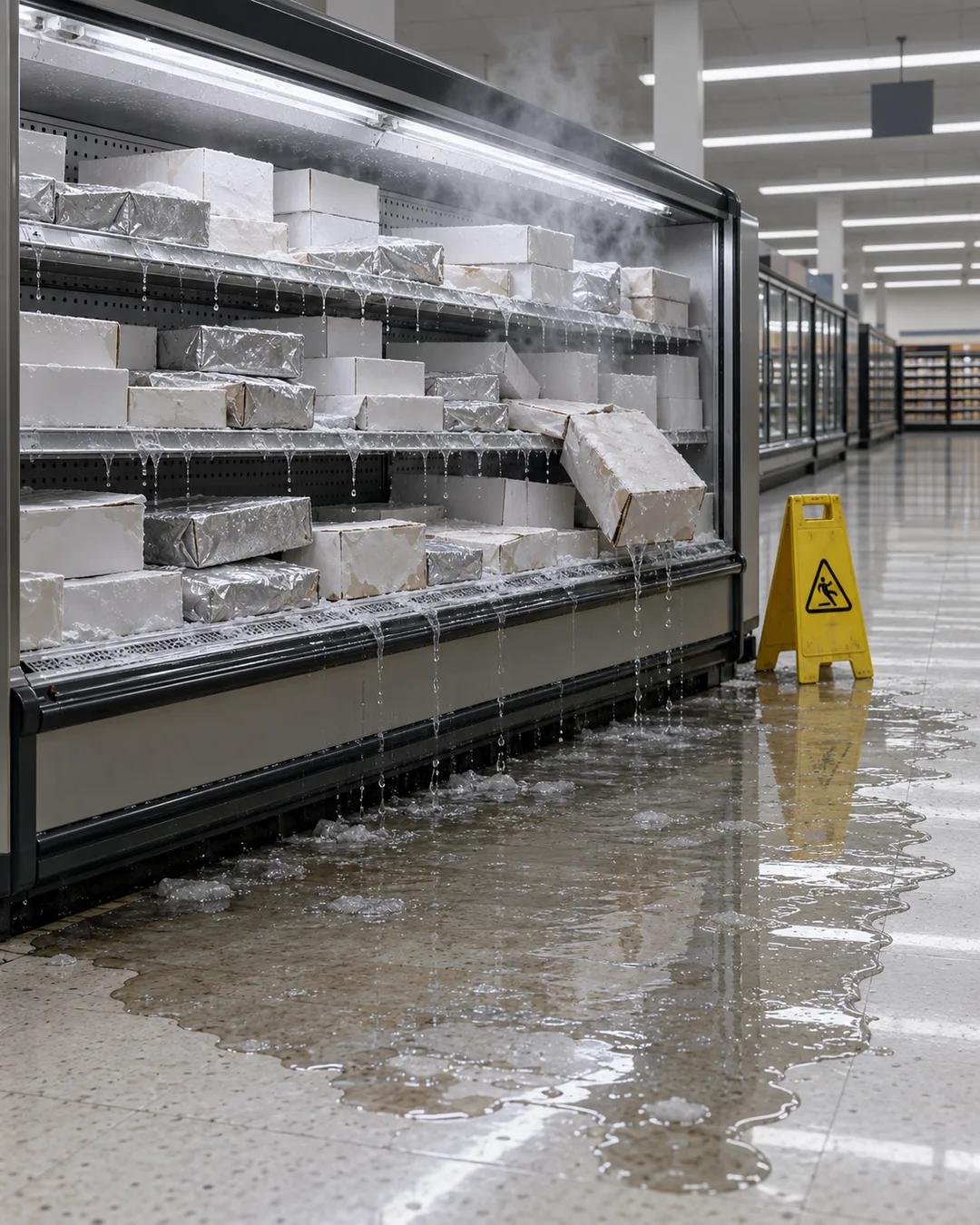
Hackers melt France's supermarket freezers

Supermarket staff were left to throw out boxes of spoiled meat and melted frozen goods, and at some locations fires broke out as coolers overheated. French authorities are still searching for the hackers behind the attack.
The fridges had been connected to the internet so the chains could keep control of them and technicians could monitor a large number across many shops. That connection let people from outside get in and change the settings. One of the companies that provided the software reported that in some cases the older fridges had not been updated, so recent patches that might have stopped the attacks were missing.
The hackers also got through the alarm systems and turned them off, so the supermarket chains were unaware that anything had happened.
How can hackers ruin food through a fridge?
Commercial refrigeration units are run by controllers that hold a temperature setpoint and schedule defrost cycles. When those controllers are reachable over a network, someone who gets in can raise the setpoint or shut off the compressors, and the food thaws. The same monitoring systems normally raise an alert when temperatures climb, so disabling the alarms hides the problem until the damage is done. Many industrial controllers still talk over Modbus, a protocol introduced in 1979 with no built-in authentication.
Why do older connected devices miss security patches?
Firmware in embedded equipment is usually updated by hand, often by a technician who has to visit the machine and sometimes take it offline. A freezer or cooler is built to run continuously, so there is little pressure to interrupt it. Manufacturers also stop supporting older models while the units keep running in stores. Commercial refrigeration equipment often stays in service for more than a decade.
More from Reuters World News