Korva is a scroll of the internet’s best ideas.

Why jackpots explode
The name comes from lotteries. Studies show that winners often find the experience full of conflict, because people line up to ask whether they will share, and the winner's values come to the surface: how to spend this, what money is, how they actually feel about it. Jackpot is also a forestry term for a building up of excess tension that is likely to explode.
Forcing mechanisms
Group life has its own version, called a forcing mechanism: a moment when everybody has to see the same thing at the same time. At a wedding, a family confronts what ritual to use, whether to say the word God, or why someone isn't wearing red at an Indian wedding. At a company's 30th anniversary, the questions are which product represents who the company has been, who gets stage time, and what the vision is.
Fissures that last
These moments are symbolic, which is why the fissures from them last. The whole community sees who wasn't asked to give a toast at the wedding, or who wasn't asked to be on stage to discuss the product they helped design. Everyone else witnessed it too.
How did jackpot get its name?
The word comes from nineteenth-century draw poker. In one popular version, nobody could open the betting without a pair of jacks or better, so when no one qualified, the antes stayed in the pot and it grew with each deal. The accumulated pot became known as the jack pot. By the late 1800s the word had spread to slot machines and lotteries, and it later came to mean any big prize.
What is a jackpot in forestry?
In forestry, a jackpot is a patch where fuel, such as leftover logging debris, is piled far thicker than on the surrounding ground. Fire moves through those patches hotter and less predictably than through thin fuel. Land managers sometimes burn the heaviest concentrations separately, a practice called jackpot burning. The term describes fuel that builds up unevenly until a fire releases all of it at once.
Why does being left out of a toast hurt?
Psychologist Kipling Williams, then at Purdue University, created a computer game called Cyberball in the early 2000s to study exclusion. Participants tossed a virtual ball among three players, and when the others stopped throwing to them, they reported feeling worse, even though the others were strangers. Brain imaging by Naomi Eisenberger and colleagues at UCLA in 2003 found that exclusion in the game activated regions also involved in physical pain. Being left out of a visible ritual adds an audience to that effect.
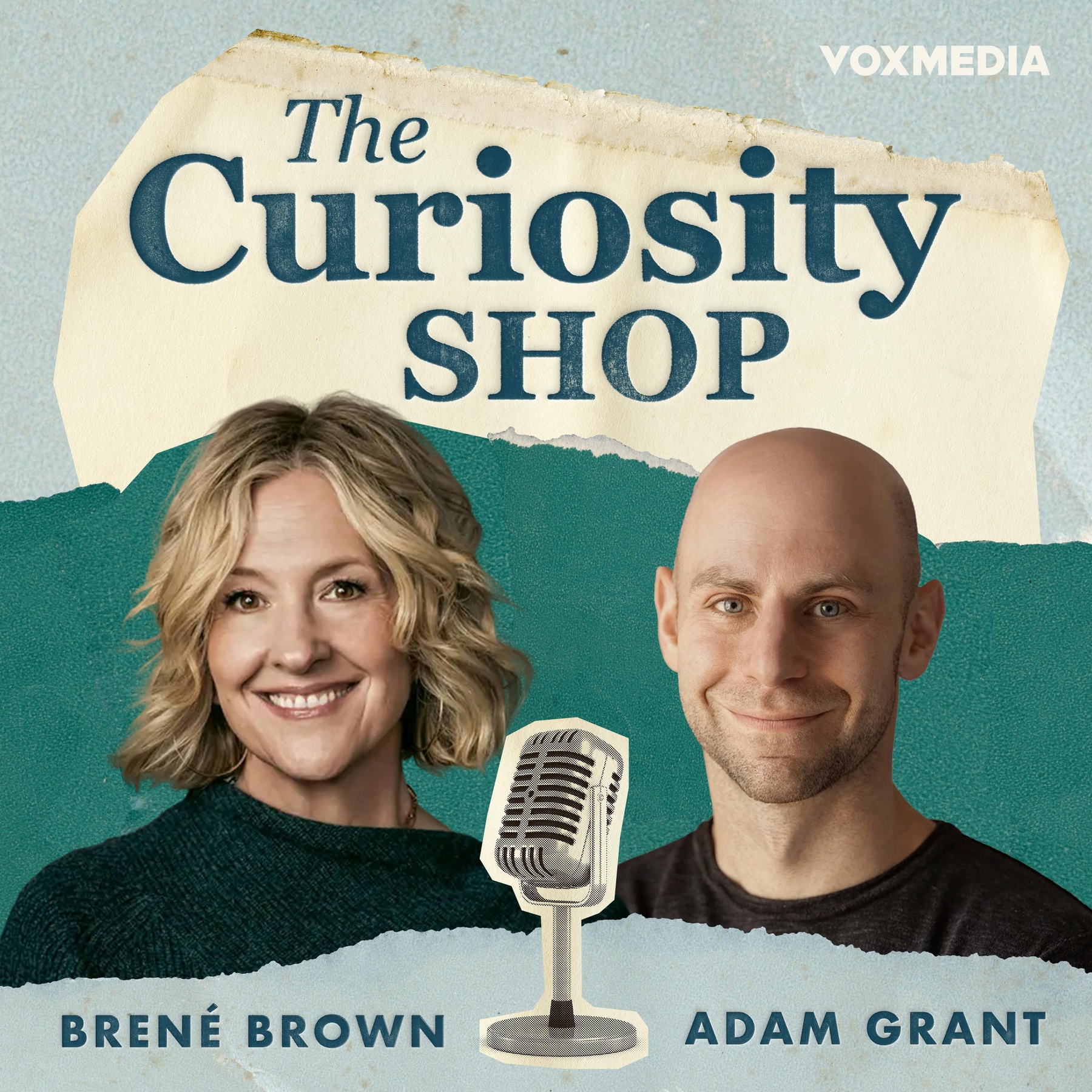
More from The Curiosity Shop with Brené Brown and Adam Grant