Korva is a scroll of the internet’s best ideas.
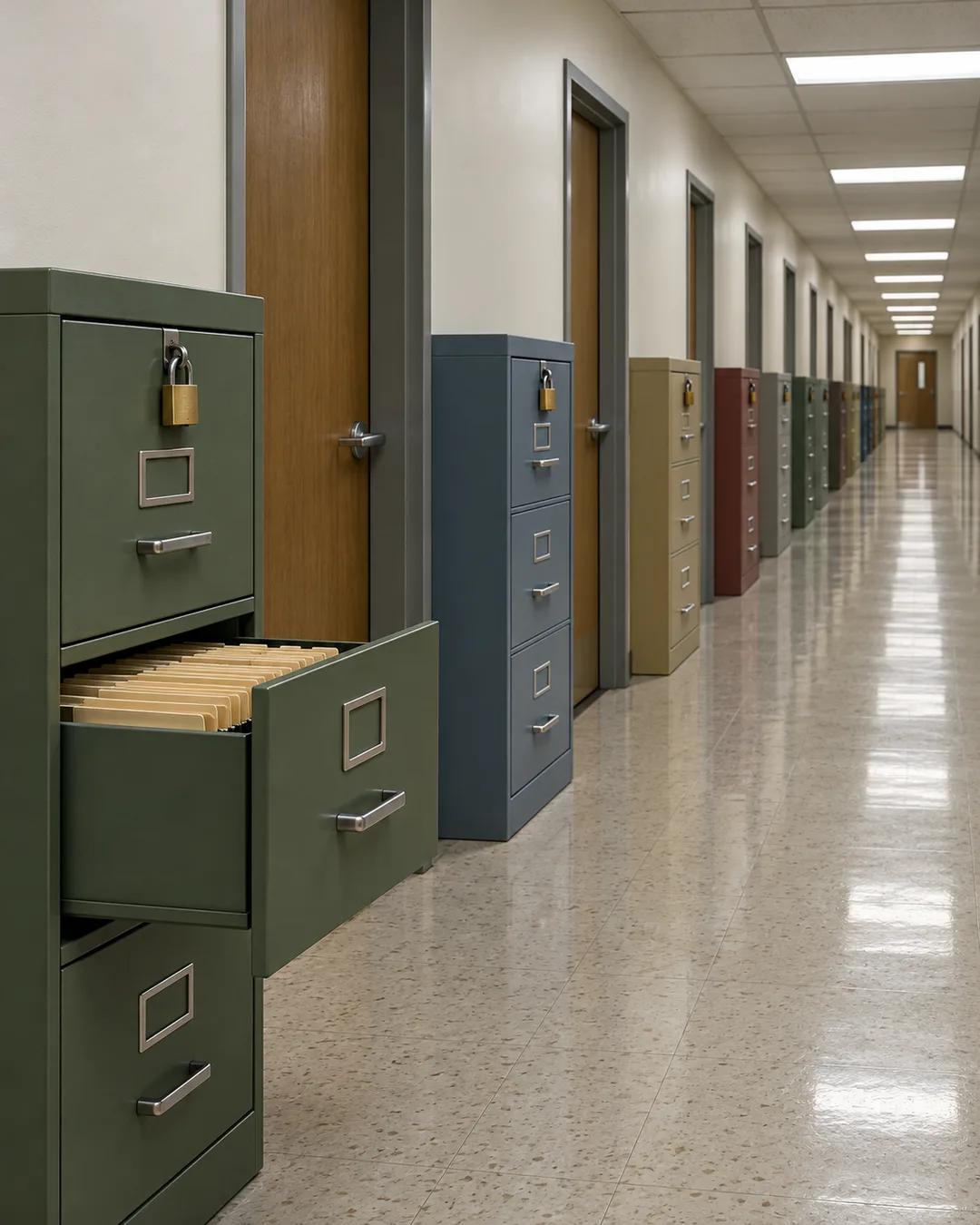
Hard-to-merge databases protect privacy

The case for merging
Pressure to merge them starts with good reasons. Movement data, public transit trips, and toll transponders could feed transportation planning. Once the data is in a government database, a public safety argument follows: it could detect someone fleeing the authorities or help with an Amber Alert for a missing child.
That was much of what DOGE discussed after Elon Musk came into government: taking databases that exist for different reasons and merging them to give the federal government a better picture of everything happening. The databases are separate because medical data should not be used for immigration enforcement, tax data should not go to immigration authorities, and toll transponders should not track people around without a search warrant.
Who does the merging
Palantir is one of many companies that exist to merge disparate data sets. Picture a project that combines toll transponder data with crime data, then looks for drivers whose patterns look suspicious, such as a one-day round trip from Houston to the border region.
Why does scattered data protect privacy?
The Supreme Court called this practical obscurity in its 1989 decision in Department of Justice v. Reporters Committee. The case concerned an FBI rap sheet compiled from records scattered across courthouses and police stations. The court held that a person keeps a privacy interest in information that is technically public but hard to gather, and that compiling it in one place changes the privacy stake.
How did law limit merging government databases?
The Privacy Act of 1974 generally bars agencies from sharing records about individuals without consent, with listed exceptions. The Computer Matching and Privacy Protection Act of 1988 added rules for matching programs, requiring written agreements between agencies and notice to affected people. Tax returns carry their own protection under Section 6103 of the Internal Revenue Code, which limits who may see them and when.
How do toll transponders locate a car?
A transponder such as an E-ZPass tag contains a radio chip with a unique ID. Readers mounted over lanes or on gantries pick up the ID as the car passes and record the time and location. The toll agency uses these records to bill the account. The same logs show each trip the tag made between readers.
More from Shawn Ryan Show