Korva is a scroll of the internet’s best ideas.
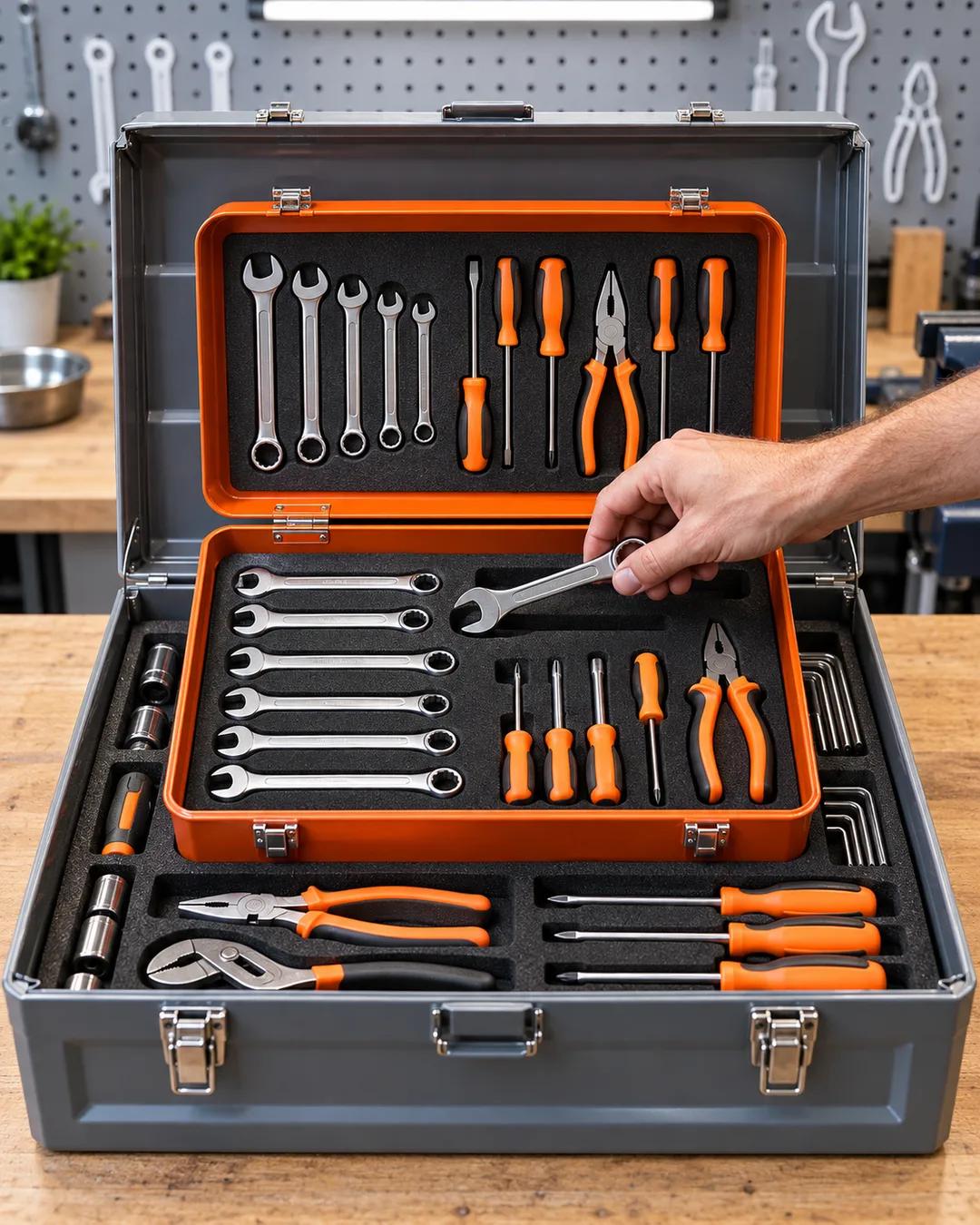
Harnesses compose better than apps

Familiar ground for models
Harnesses are Unix based, and models are so well trained on Unix and bash commands that a harness is a familiar place to work. Developers also build an affinity for particular harnesses, since a harness is a user experience.
Unknowns in an app
Picture an agent told to orchestrate an app in the cloud. It has to work out how to log in, whether it needs a password, whether to fire up a virtual browser, where to type the password, whether the app has an API, and where the docs are. Each step is an unknown, and the whole thing is slow.
Few unknowns in a harness
Around a harness there are very few unknowns. A developer can jump into the harness, look at what is going on, and talk about it in English, where API calls are a stream of code to read through.
Why are models so good with Unix commands?
Unix shell commands fill public code repositories, forum answers, tutorials, and manual pages, so models see enormous amounts of them in training. The interface is plain text, which is the format language models work in best. Its conventions have also stayed largely stable since Unix was created at Bell Labs around 1970.
Why do agents struggle with graphical apps?
Working through a graphical interface means reading a screen, locating buttons, and clicking in the right order. The OSWorld benchmark, released in 2024, was built to test agents on real computer tasks across operating systems. At its release, models fell far short of human performance.
How does a cloud sandbox keep an agent contained?
A sandbox is an isolated machine or container with its own files and network rules. If an agent breaks something inside it, the damage stays inside and the sandbox can simply be thrown away. Amazon's open source Firecracker microVMs, which power AWS Lambda, are designed to start in about 125 milliseconds.
More from 20VC with Harry Stebbings