Korva is a scroll of the internet’s best ideas.

He auditioned the whole show
The audition
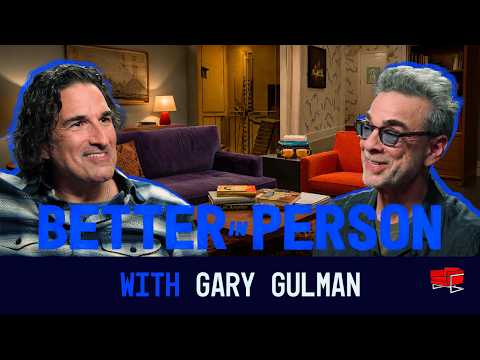
Gary Gulman was in a meeting with Mike Bonafiglio when Bonafiglio asked whether his friend Jud Apatow could work on the project. Gulman gave an immediate yes. Then he auditioned by performing the whole show.
The wait
In the days between the audition and the answer, he knew a rejection could throw him off track. He had settled on a plan: be disappointed, keep touring the show, and be fine if it never landed on HBO. His wife pointed out that it was really unfair, because she was the one who would have to live with whatever they decided.
The special
It never came to that. They shot the special, The Great Depression, in June at a place called Roulette in Brooklyn, and it aired in October. It led to a book written for the people who watched it, and to touring every year or two since, with three new hours of material written in that time.
Good observational jokes had never brought him the following he has now.
How does a stand-up hour end up on HBO?
A special usually starts with a comedian who has built an hour of material on the road, and a producer or manager brings it to a network. Networks often want to see the hour performed in full before agreeing to film it. A producer can join the project to help shape the staging and the way it is shot. HBO has aired stand-up specials since the 1970s.
Why do comedians tour an hour before filming it?
Stand-up gives instant feedback, because a joke either gets a laugh or it doesn't. Performing the same material night after night lets a comedian adjust word choice, pauses, and order until each bit lands reliably. Comedians commonly film a special only once the hour has been polished this way. A special then freezes the version of the jokes that existed on that one night.
Why does a special air months after filming?
After a taping, editors cut together footage from multiple cameras and choose the best takes of each moment. Sound is mixed and the picture is color corrected before the network approves a final cut. The network also schedules the premiere around its other programming and promotion. For that reason a gap of several months between a taping and a premiere is normal in television.
More from Freakonomics Radio Network