Korva is a scroll of the internet’s best ideas.
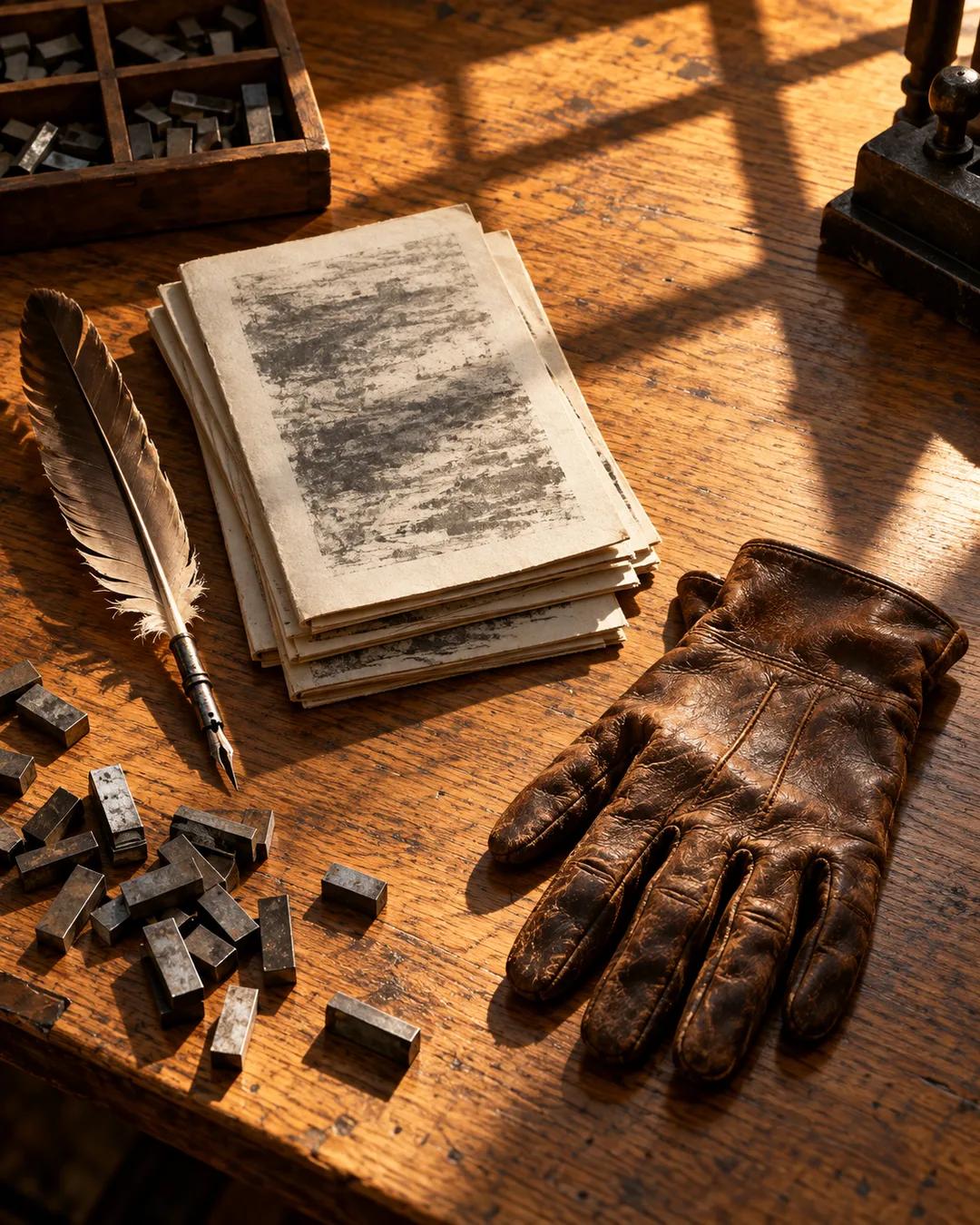
He lost his hand for a pamphlet

A suitor nobody wanted
Elizabeth's Protestant subjects were horrified at the prospect of marrying her to Francis, Duke of Anjou, a French Catholic prince. When Anjou took a romantic barge trip on the Thames with her in 1579, a boatman likely tried to kill him. The thing was so embarrassing that it was all covered up.
The pamphlet
Comparing Elizabeth to Eve had an obvious problem, so Stubbs promptly added that she was also their Adam and sovereign lord, or lordly lady, of the land. He warned that the marriage risked a second St. Bartholomew's Day massacre in London. Elizabeth was furious, and Stubbs had his right hand chopped off for inciting sedition.
Catholic objections
The opposition crossed religious lines. William Allen, who ran the seminaries that sent Catholic priests into England, wrote a pamphlet condemning her interest in Anjou as an unspeakable and incredible variety of lust. Her interest was diplomatic: she was using her virginity as a diplomatic tool to build bridges with France, the other great Catholic superpower, while Spain loomed as her enemy.
Why did the St. Bartholomew's massacre frighten England?
In August 1572 Catholic mobs and soldiers in Paris killed thousands of Huguenots, French Protestants, and the violence spread to other cities over the following weeks. Francis Walsingham was then England's ambassador in Paris, and English refugees sheltered at his residence. News of the killings convinced many English Protestants that Catholic rulers could not be trusted.
What happened when Stubbs lost his hand?
Stubbs and his printer William Page were punished in the market place at Westminster in November 1579. A cleaver was driven through the wrist with a mallet. The historian William Camden, who watched, recorded that Stubbs then took off his hat with his remaining hand and cried out God save the Queen.
Why did Elizabeth entertain so many suitors?
Marriage negotiations were one of the main tools of sixteenth-century diplomacy, and Elizabeth had no husband to commit to a foreign alliance. Her suitors over the years included Philip II of Spain, Archduke Charles of Austria, and Eric XIV of Sweden. In the 1570s she also negotiated with Anjou's older brother Henry, later Henry III of France. She never married any of them.
More from The Rest Is History