Korva is a scroll of the internet’s best ideas.
He told rivals he never tires

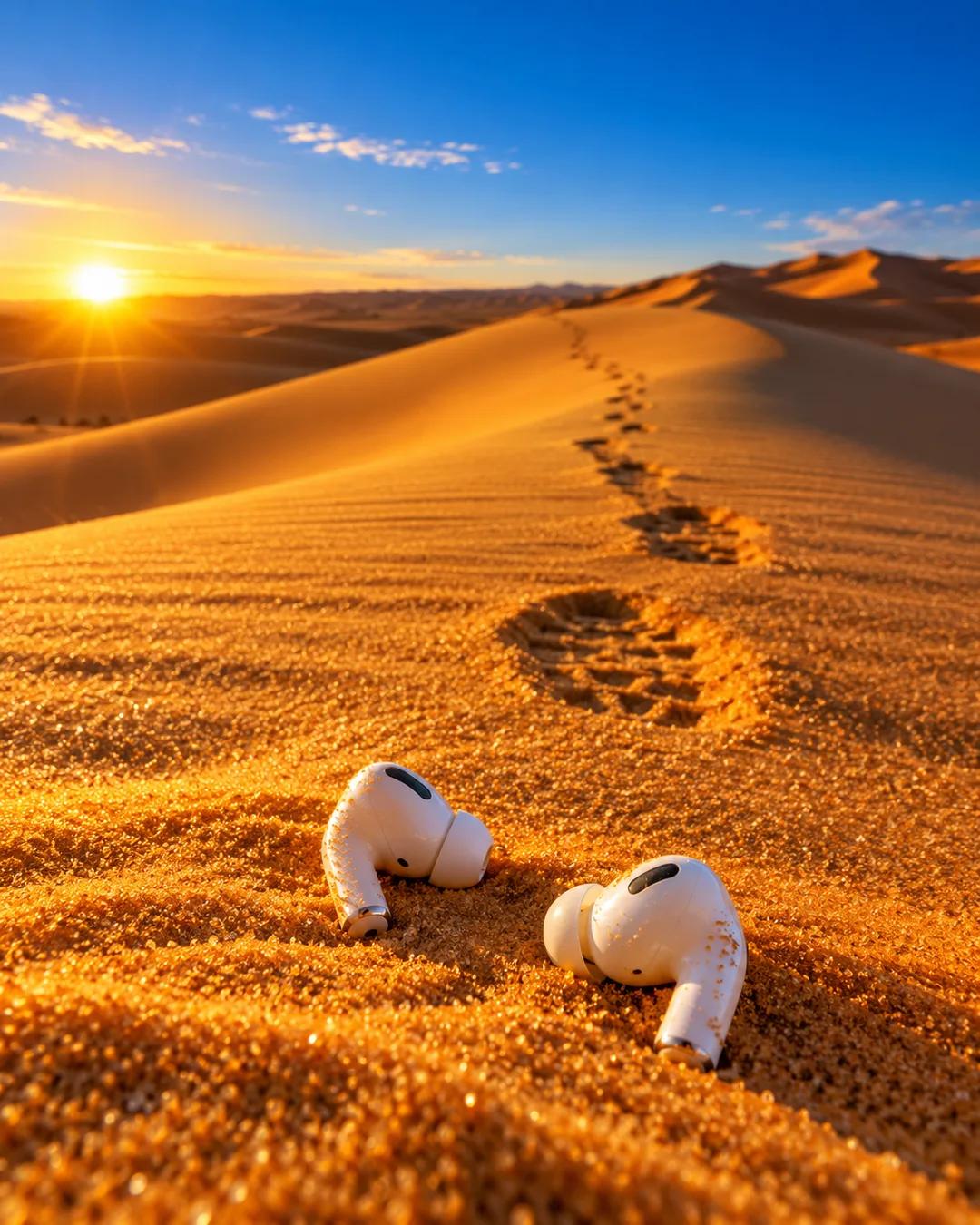
Rideout is a famous endurance athlete in the marathoning community, and he wins races in the Gobi Desert at 50 and older. His move comes mid-race. He runs up next to a competitor, takes his earbuds out, and remarks that he doesn't know what it is, but he never gets tired. Then he pulls away, beating runners he had barely been able to catch until then.
Competitors in other sports describe a version of this. When a great rival starts to fail, they feel as if they've picked up a booster pack. The hill and the miles behind them are exactly what they were a moment ago, and the same effort suddenly gets valued as smaller.
Does effort feel lighter when a rival slows?
Samuele Marcora's psychobiological model holds that endurance performance is limited by perceived effort rather than by muscles giving out. In a 2009 study, Marcora and colleagues found that cyclists who had done a mentally tiring task reached exhaustion sooner, because the same workload felt harder to them. Perceived effort responds to mood, expectation, and information about competitors, not only to the body's physical state.
Why do people run faster against someone?
Norman Triplett, a psychologist at Indiana University, published a study in 1898 on cyclists who rode faster in races against others than when riding alone against the clock. His work is often cited as one of the first experiments in social psychology. The boost from having company is now called social facilitation.
Why does a hill look smaller when you feel strong?
In 1999, Dennis Proffitt and Mukul Bhalla reported that slopes look steeper to people wearing a heavy backpack or feeling tired. Their results suggest that perception of the environment is scaled to the energy a person has available. A hill and a distance can therefore appear different at different moments without changing at all.
More from Huberman Lab