Korva is a scroll of the internet’s best ideas.
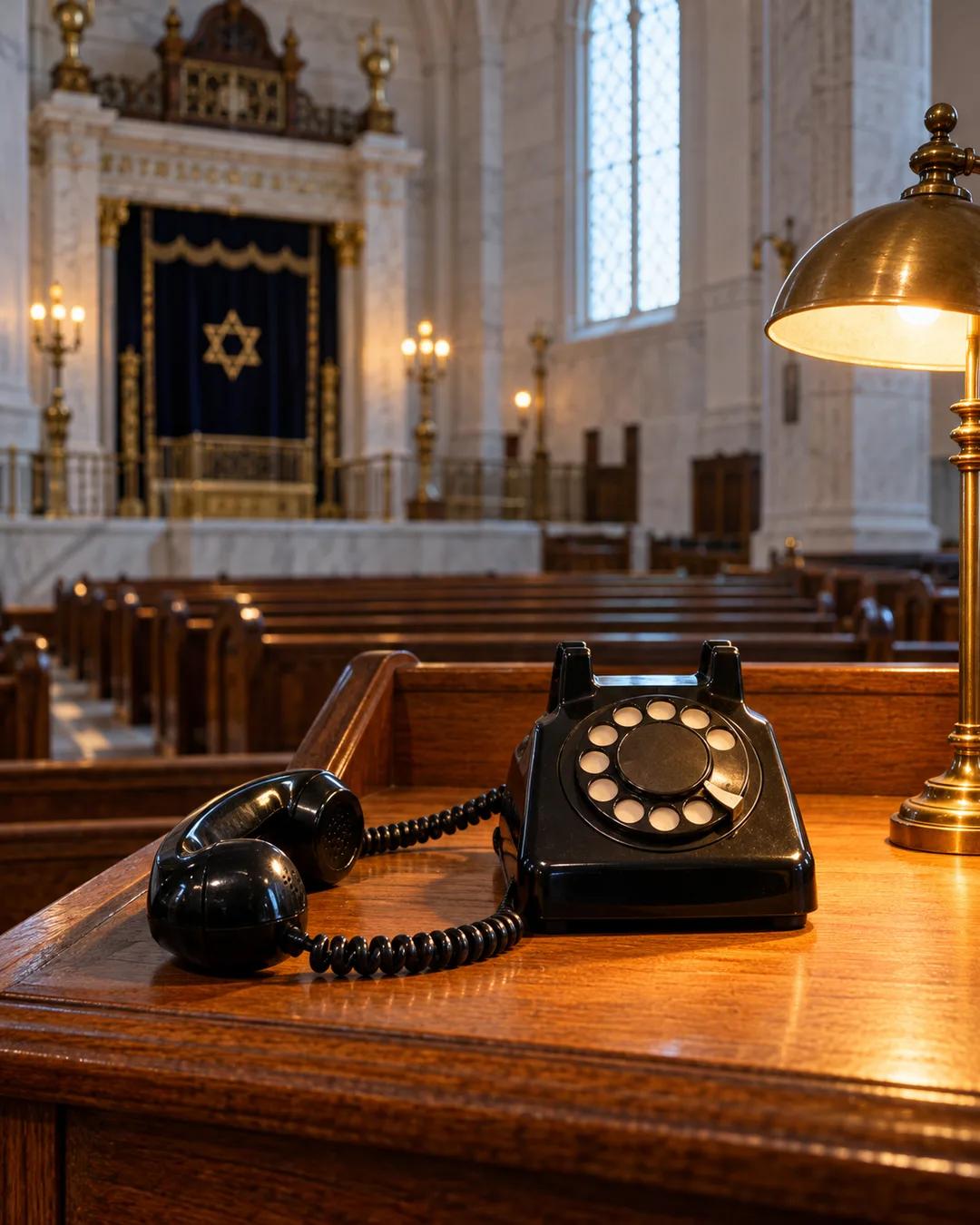
He wanted America's chief rabbi

A mistaken belief
He was a British citizen, originally a Pakistani Muslim who had moved to England, and he had grown up on antisemitic tropes about Jews having enormous influence, power, and conspiratorial connections. England has a chief rabbi, so he imagined America had one too, and that this person could get Aafia Siddiqui released. She was a notorious terrorist sitting in a Texas prison, a cause celebre in the Pakistani Muslim community, and he called her his sister.
Why Colleyville
Colleyville is not a center of Jewish life. He picked it because its synagogue was the closest to the federal prison, which meant that taking Jews captive there would let him call the chief rabbi of America. A Google search put a New York rabbi at the top of his list, maybe because she had been a Jeopardy question two weeks earlier, and he believed she could make a few phone calls and have the woman brought to that synagogue. She ended up called in for hostage negotiations.
The standoff and after
The standoff lasted 10 hours, and none of the hostages were harmed. The gunman was killed. Afterward, Rabbi Charlie Cytron-Walker, who had spent those hours with a man holding a gun to his head, was asked whether he would go back into the synagogue. Of course he was going back that week, he answered, because that's what Jews do: they go back in.
Why does America have no chief rabbi?
American Jewish life grew through independent congregations rather than through a single body tied to the state. The First Amendment bars an established religion, so no office could carry official standing the way the United Kingdom's chief rabbinate does. That British office traces its lineage to the early 1700s, and Nathan Marcus Adler took the post in 1845 with authority over congregations across the country. In the United States, the Reform, Conservative, and Orthodox movements each run their own rabbinical bodies, and none speaks for all Jews.
How did the myth of Jewish power spread?
A major source is The Protocols of the Elders of Zion, a forged text that circulated in Russia in the early 1900s and claimed to reveal a Jewish plan for world domination. The Times of London showed in 1921 that large parts were copied from an 1864 French satire by Maurice Joly. Despite that, the text was reprinted across Europe and the Middle East, and Henry Ford's newspaper, The Dearborn Independent, ran excerpts in the early 1920s. Joly's original satire had targeted Napoleon III and had nothing to do with Jews.
How do negotiators keep standoffs from turning deadly?
Modern hostage negotiation began in the New York Police Department in the early 1970s, when psychologist Harvey Schlossberg and Lieutenant Frank Bolz built a team around talking instead of storming in. Their main tool is time, because hours of conversation let adrenaline fade and give a captor the sense of being heard. The FBI's Crisis Negotiation Unit later taught a five-stage model of active listening, empathy, rapport, influence, and behavior change.
More from Freakonomics Radio Network