Korva is a scroll of the internet’s best ideas.
Healthcare keeps growing in recessions

Radiometer
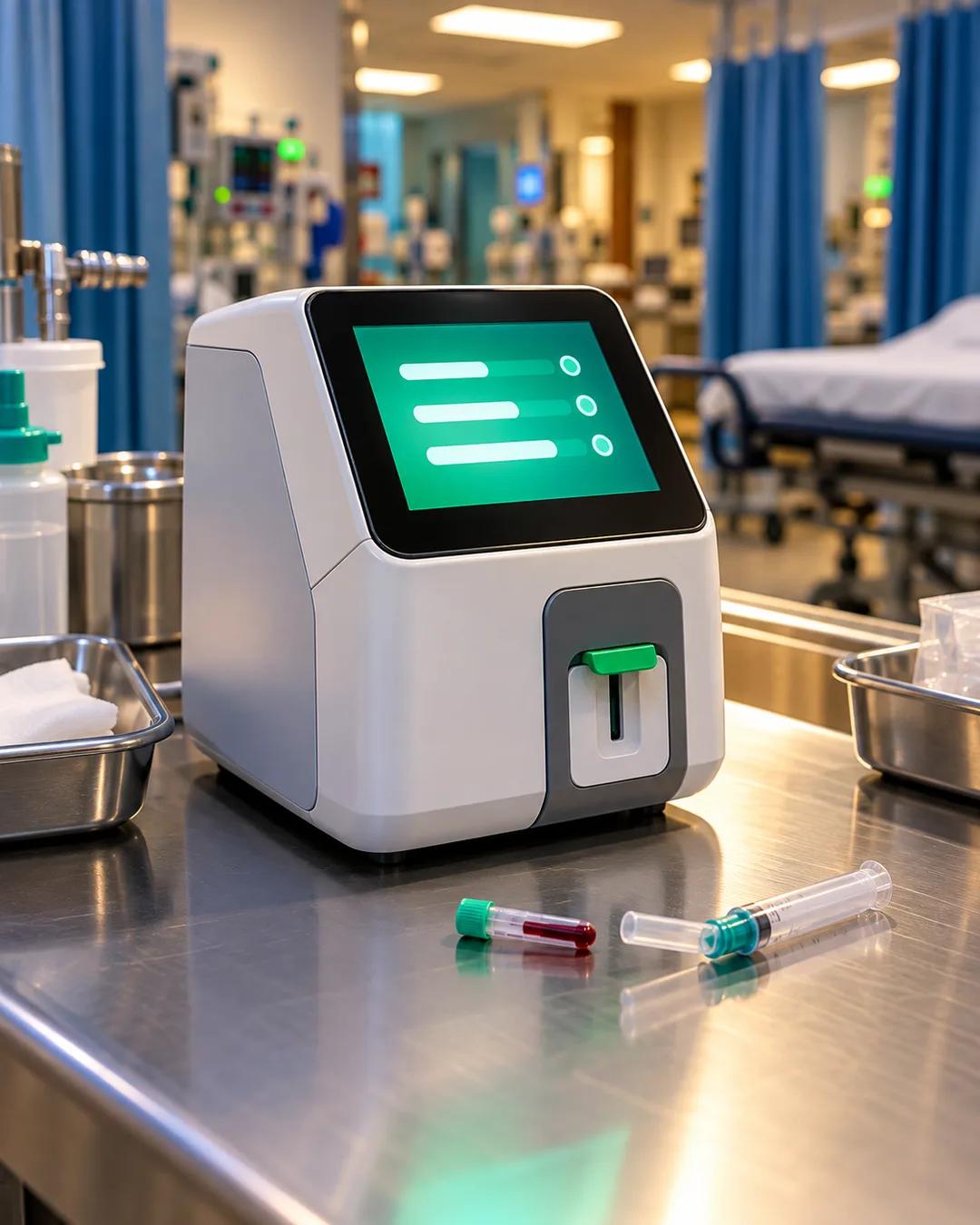
The turn began with Radiometer, bought in 2003, which makes blood gas analyzing instruments for emergency rooms and intensive care units. They give a doctor a quick readout of what is happening in the bloodstream. For someone arriving with a possible heart attack, they show whether it was one, how severe, or whether it is only indigestion, and then deeper testing follows in the central lab.
Secular trends
Owning it taught Danaher about secular trends, the long-running forces that keep a business growing whatever the economy does. A business with less cyclicality does not have to be torn apart when revenue shrinks, and Danaher could still bring its business system to work there. Even in a recession it was still growing organically, and that led to Beckman Coulter around 2009 and 2010.
Recurring revenue
Recurring revenue became a second theme. Roughly 70 to 80 percent of Danaher's revenue is recurring today, by Mitch Rales's recollection. A drug company that specs in a Danaher ingredient can mean an annuity stream lasting 15 years, and software subscriptions have the same recurring nature, which is why he looks for it in his private investments.
Why does healthcare demand hold up in recessions?
Economists describe much of healthcare as inelastic demand, meaning people use it based on need and not on price or income. Hospitals, labs, and clinics keep ordering instruments and supplies even when consumers cut back elsewhere. Insurance and government programs also pay many of the bills, which separates spending from household budgets. Centers for Medicare & Medicaid Services data show that US national health spending kept rising through the 2007 to 2009 recession, though more slowly.
How do blood gas analyzers work?
A small blood sample, often drawn from an artery, goes into the instrument, where electrodes measure acidity, oxygen, and carbon dioxide. Some models also read electrolytes such as sodium and potassium, and substances like lactate and glucose. Results come back in a couple of minutes, which is why the machines sit in emergency rooms and intensive care units. The Danish physician Poul Astrup, working with Radiometer in Copenhagen in the 1950s, developed a method for measuring blood acid-base balance.
Why do instrument makers earn on consumables?
Each analyzer placed in a hospital creates ongoing demand for reagents, calibration fluids, and sample cartridges built to work with that specific machine. Business analysts call the base of machines in the field an installed base. Once a lab validates a test on an instrument, switching means revalidating, retraining, and sometimes re-certifying. The result is revenue that recurs with each test run.
More from Joys of Compounding