Korva is a scroll of the internet’s best ideas.
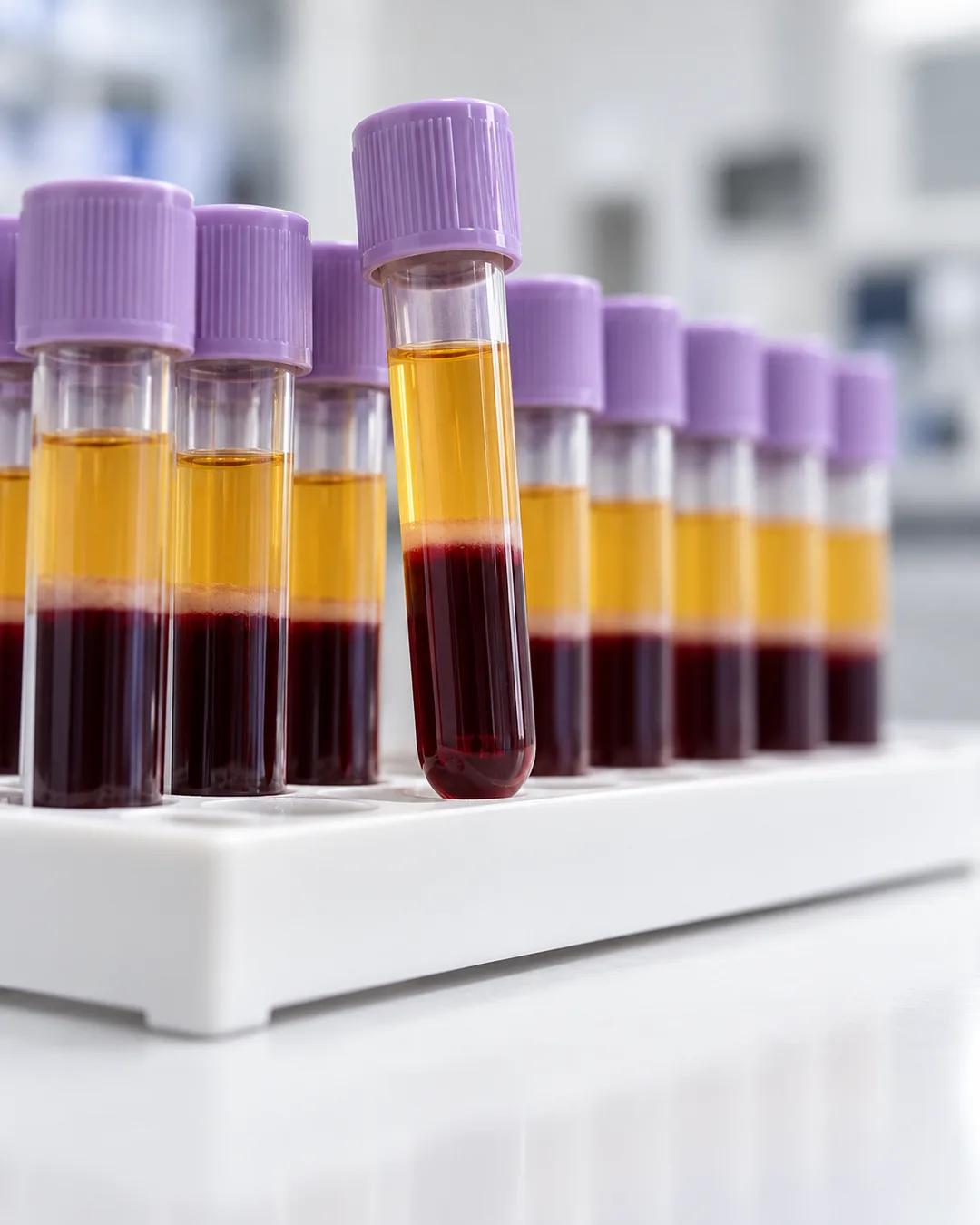
High HDL no longer protects you

Kinds of cholesterol
Cholesterol particles are made by the liver and travel the bloodstream. HDL acts as a scavenger that cleans up bad stuff in the blood. The harmful side includes LDL, small LDL particles, lipoprotein(a), and apolipoprotein B, known as ApoB.
Newer tests
The dyslipidemia guidelines that came out recently call for testing ApoB, the worst part of the LDL particle, to see whether LDL is even worse than bad. Lipoprotein(a) is a once-in-a-lifetime test, because it is largely genetic. About 20 percent of people have an elevated level, and no available medication treats it specifically, which means being aggressive about blood sugar, weight, blood pressure, and LDL.
Targets and risk calculators
The target is an LDL below 100, very different from the old days. A newer American Heart Association tool, the PREVENT calculator, takes age, cholesterol, blood pressure, and some kidney function numbers and returns a personal risk figure such as 3, 5, or 7 percent. The new guidelines base the decision about more testing or a cholesterol-lowering agent on that number.
Why does ApoB count particles better than LDL?
Every atherogenic particle in the blood, including LDL, very-low-density remnants, and lipoprotein(a), carries exactly one molecule of apolipoprotein B. Counting ApoB therefore counts the particles that can lodge in artery walls. A standard LDL test instead measures the weight of cholesterol carried, which can look the same in a person with many small particles and one with a few large ones. Studies have found ApoB tracks risk more closely than LDL cholesterol when the two disagree.
Why did HDL lose its protective reputation?
A 2012 Lancet study led by Benjamin Voight used genetic variants that raise HDL and found they did not lower the risk of heart attack. Drugs that raise HDL, including niacin in the AIM-HIGH trial and torcetrapib in the ILLUMINATE trial, also failed to cut cardiovascular events. HDL level still marks health in population studies, but raising it artificially has not reproduced the benefit. The particles themselves matter less than how well they function.
Why is lipoprotein(a) mostly set by genes?
Levels of lipoprotein(a) are controlled largely by the LPA gene, and they are set early in life and change little afterward. The particle is an LDL-like particle with an extra protein attached, apolipoprotein(a). The size of that protein varies with how many repeated segments the gene carries, and shorter versions are linked to higher blood levels. Diet and exercise have little effect on it.
More from Next Question with Katie Couric