Korva is a scroll of the internet’s best ideas.
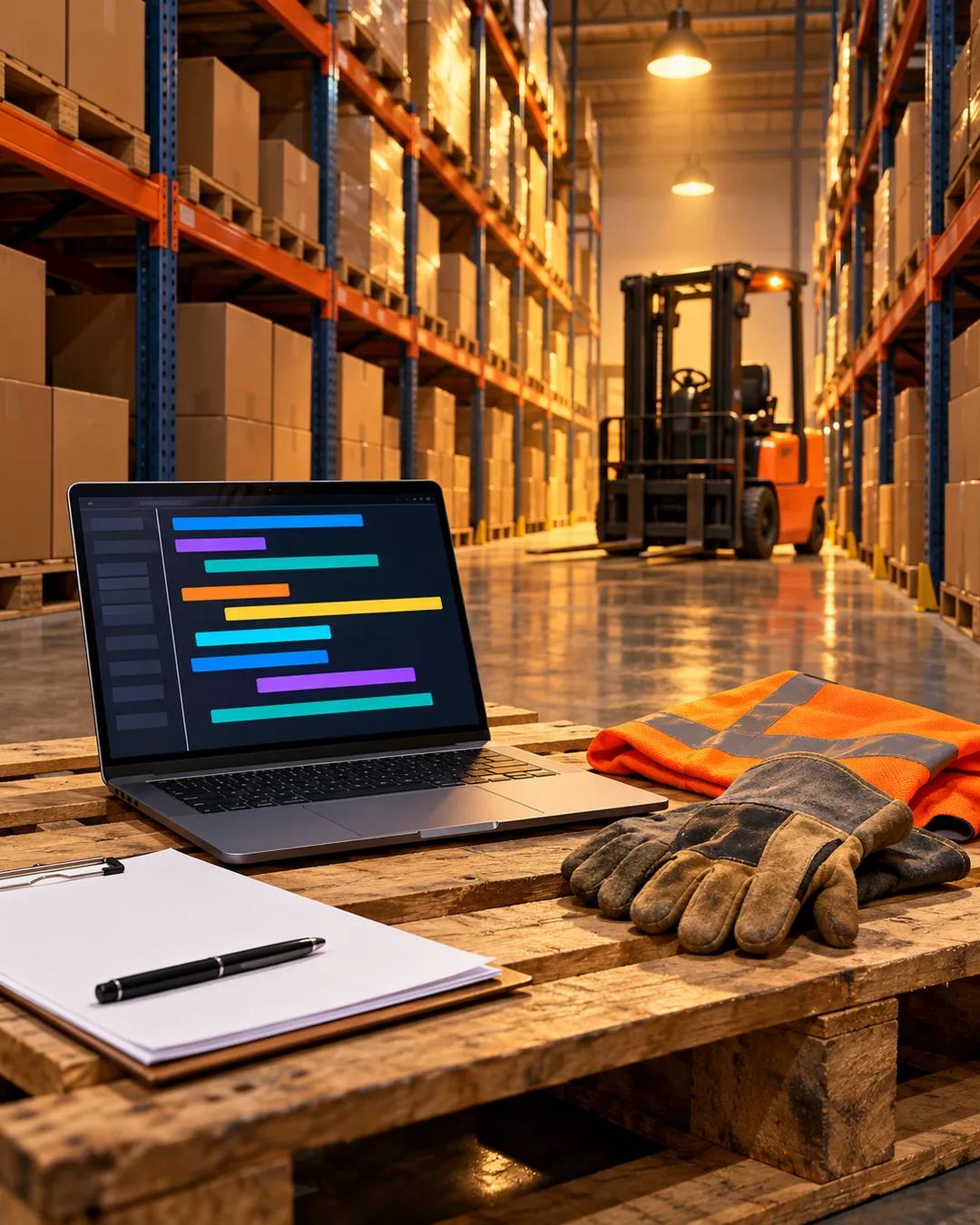
Home Depot shelf-packer turned software engineer

Owen and Jacob
Hadrian builds aerospace parts and submarine components in highly automated factories, and most of its technicians arrive with no manufacturing background. Owen is one example. Another is Jacob, who started two years ago and now runs half of a factory as a factory lead, which is the shift manager role. He is somewhere in his late 20s.
Promoted from within
Every shift manager at the company was promoted from technician rather than hired from outside, and those jobs pay close to six figures, if not more. Between 5 and 10 percent of technicians change roles to become software engineers. They sit next to a software engineer, work out how to make themselves more productive, and start writing code themselves. Others become technical manufacturing experts.
Who walks in
The people coming in range from high school kids through 25-year-olds, ex-military, and 40 to 55-year-olds who were nurses or bus drivers and are back at work.
Why is forklift certification a job requirement?
In the United States, OSHA's powered industrial truck standard requires employers to train and evaluate forklift operators before they work unsupervised. The training combines instruction with hands-on practice and a performance evaluation. Employers must re-evaluate each operator at least every three years. OSHA has estimated that forklift accidents cause tens of thousands of injuries each year.
How do technicians learn to write code?
Learning beside an expert has long been how trades pass on skill. Researchers Jean Lave and Etienne Wenger described in their 1991 book Situated Learning how apprentices start at the edge of a task and move toward its center as they gain skill. A technician sitting next to a software engineer sees the real problem first, then the tool that solves it. Their book drew on studies of tailors, midwives, and navy quartermasters.
More from The Way I Heard It with Mike Rowe