Korva is a scroll of the internet’s best ideas.
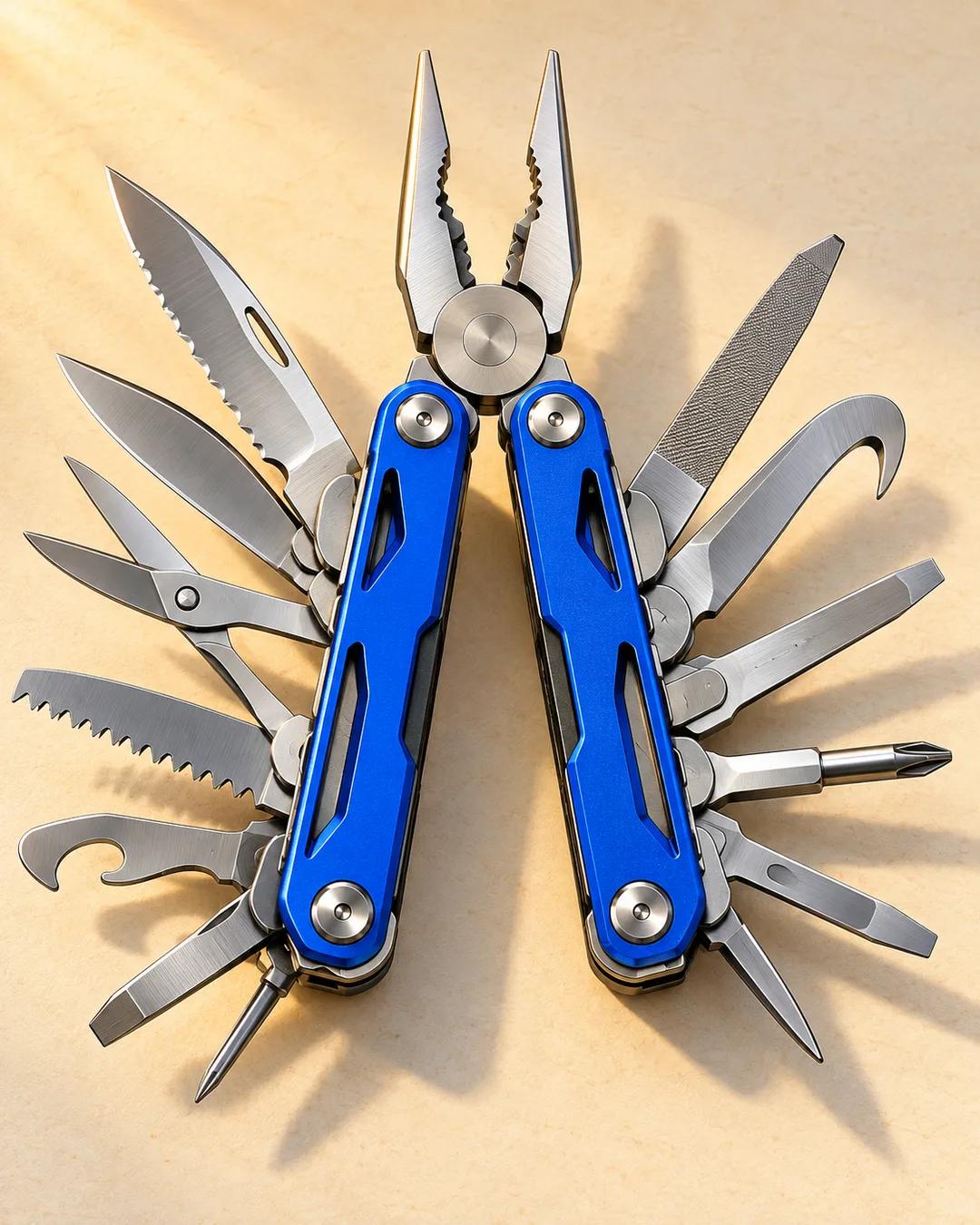
Hundreds of projects on one tool

Why so many workflows
The demand for human data is so large and so varied, and the delivery team so good at selling and delivering projects, that Mercor ended up supporting too many kinds of workflow. The shape of the data kept changing as well. It began with supervised fine-tuning when InstructGPT arrived, moved to preference ranking, and then to environment-type projects, with multimodal projects in formats that look nothing like the rest.
The guardrails fix
The tool was built to serve every ask, so it became extremely flexible, and running hundreds of projects on it was chaos to manage. The fix is guardrails: narrowing the services Mercor supports and working with the operations team on best practices. Customers will ask for everything, and the company can do it, but whether it should is the question. Where there is no enduring demand for a workflow, it may not be worth the investment.
Judging what lasts
Judging which demand will last is a call from leadership, and ultimately kind of a guess, since it is very hard to say what data will look like in a year or two. The best method is staying in constant touch with leaders from a diverse set of labs and validating hypotheses against what they want. The narrowing came only recently, after a stretch where it should have happened a lot sooner.
Why did data formats keep changing?
Each training method needs a different kind of human input. Supervised fine-tuning needs people to write ideal responses, preference training needs them to rank several outputs, and environment training needs tasks that can be checked automatically. OpenAI's 2022 InstructGPT paper combined the first two, using written demonstrations and rankings from labelers. Rubric-based grading, where humans score an answer against a list of criteria, came later as models improved.
Why is ranking easier than writing answers?
Judging which of two options is better is easier and more consistent than producing a perfect one from scratch. Statisticians Ralph Bradley and Milton Terry published a model of paired comparisons in 1952, and variants of it are used to turn rankings into scores for reward models. Chess's Elo rating system rests on a closely related pairwise idea. Reward models trained this way give a model a numeric signal about which outputs people prefer.
Why does a flexible tool become hard to run?
Every option added to a tool multiplies the number of ways it can be configured, and each combination needs support and testing. Software engineers call a related pattern the inner-platform effect, where a highly configurable system slowly turns into a programming language of its own. Operations staff then have to learn that language project by project.
More from 20VC with Harry Stebbings