Korva is a scroll of the internet’s best ideas.
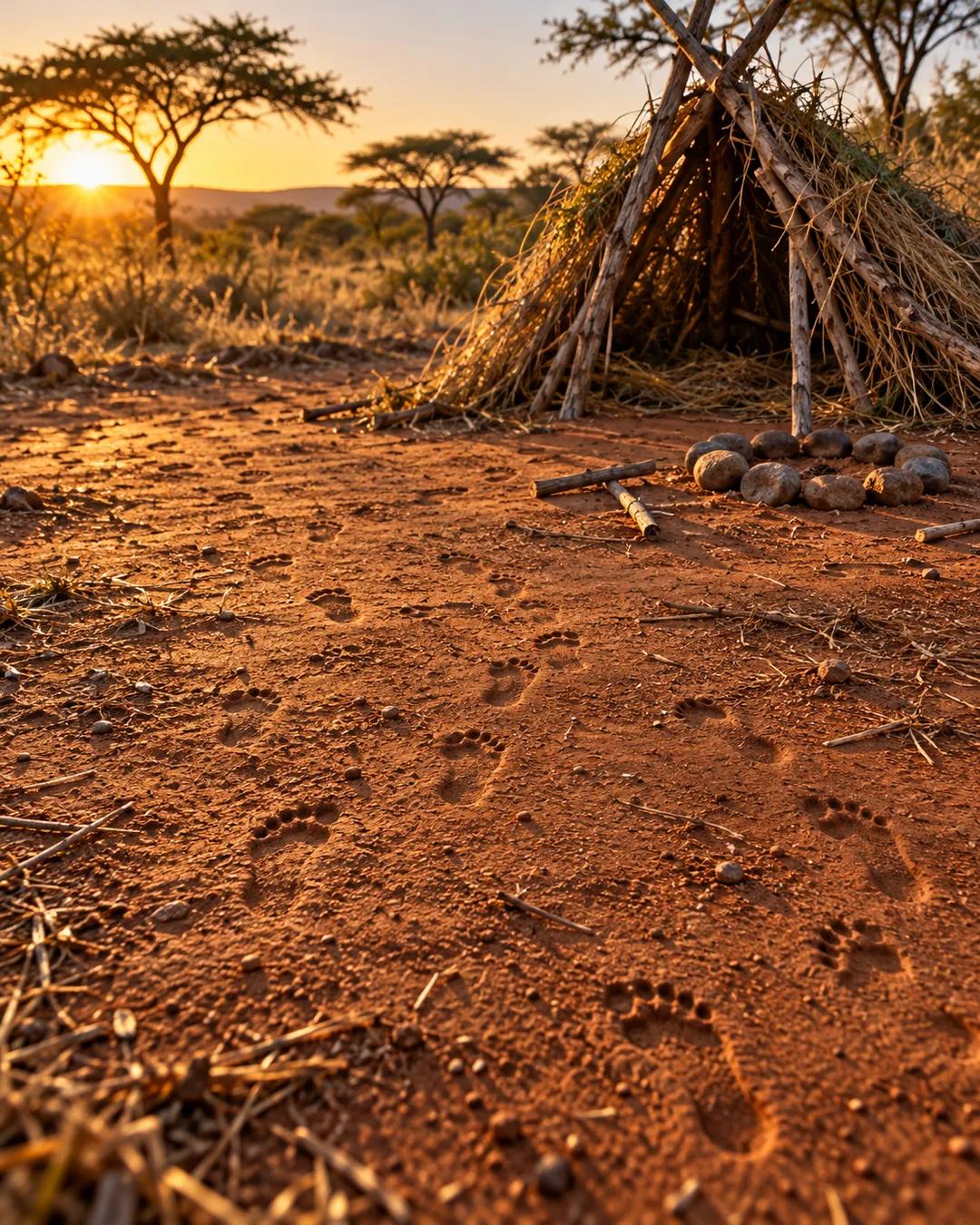
Hunter-gatherer kids played all day

The survey
In the late 1990s, a psychologist and one of his graduate students surveyed ten anthropologists who had each lived among and studied hunter-gatherer people. In the mid-twentieth century it was still possible to trek out and find people living in a relatively pristine hunter-gatherer way, and these ten had done that in various parts of the world, covering seven different groups.
What they found
The answers matched across all seven. Children played and explored all day, in societies with nothing like school, and adults trusted them to educate themselves.
Why it was asked
The psychologist wanted to know the biological basis of a child's drive to learn what they need to know. Humans were hunter-gatherers for essentially all of their history, so how those children learn points to what children are built to do. The anthropologists also found these people remarkably well-adjusted, without the anxiety and depression common in modern societies.
How do forager children learn without school?
Anthropologists studying the Hadza of northern Tanzania, including Nicholas Blurton Jones and his colleagues, have documented children foraging in groups away from adults. They gather berries, dig for tubers, and hunt small birds with small bows. Skills are picked up by watching older children and adults and then practicing alongside them.
Why study hunter-gatherers to understand children?
Homo sapiens appeared roughly 300,000 years ago, and agriculture began only about 12,000 years ago. For more than 95 percent of the species' history, then, people lived by hunting and gathering. Traits that appear across childhoods everywhere, such as play and curiosity, took shape during that long stretch.
How does learning by watching work across cultures?
Psychologist Barbara Rogoff of the University of California, Santa Cruz, has described a pattern she calls learning by observing and pitching in. Children attend closely to what adults and other children do around them and join in when they can. She documented the pattern in communities in Guatemala, Mexico, and other places, and compared it with the lesson-based teaching common in schools.
More from Passion Struck with John R. Miles