Korva is a scroll of the internet’s best ideas.
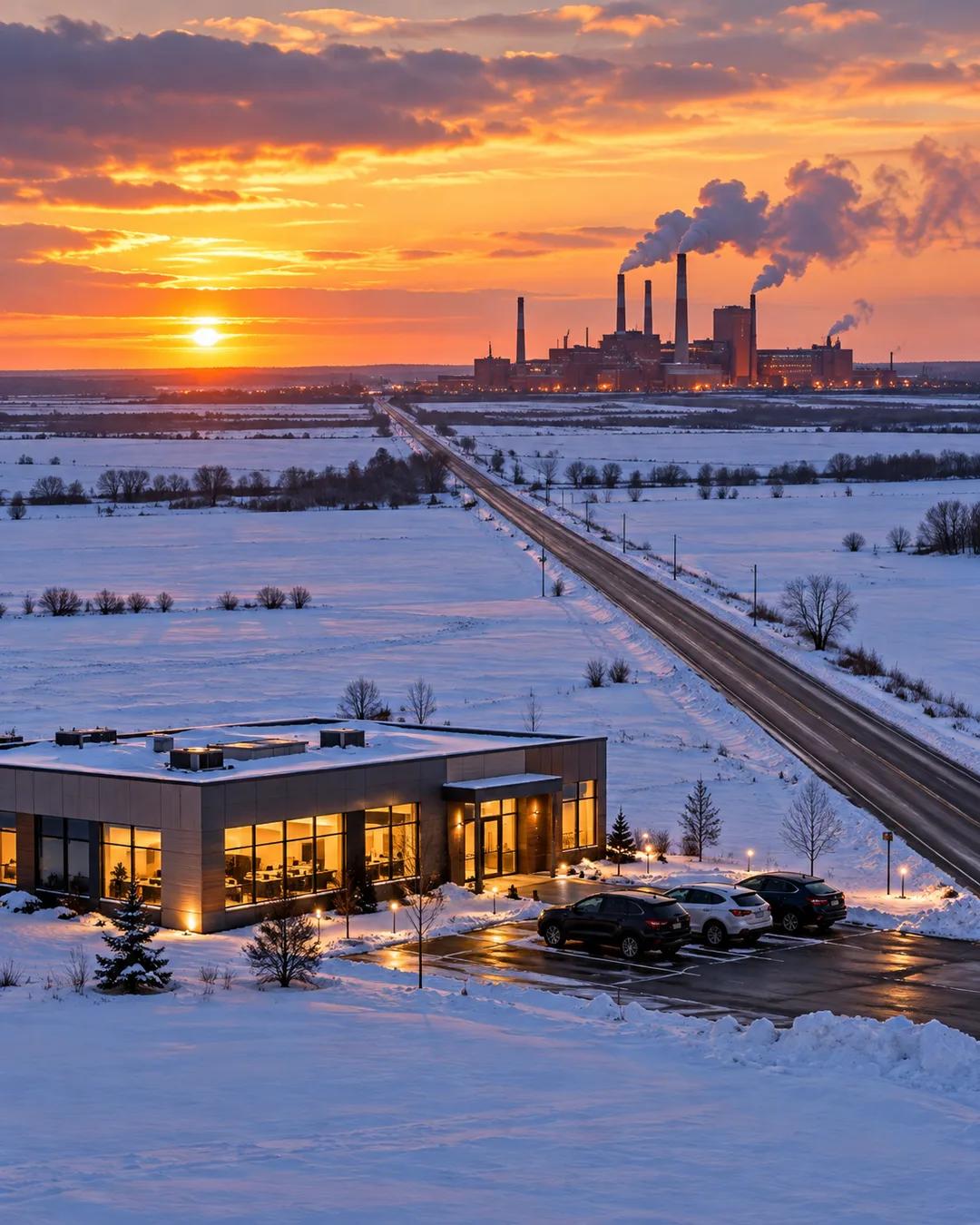
IBM built minicomputers in Minnesota

IBM's two units
IBM dominated mainframes, which it made in Poughkeepsie, New York. Eight companies made mainframes, and the other seven were killed when minicomputers came in underneath. IBM made its minicomputers in Rochester, Minnesota, and was the only one of the nine minicomputer makers to succeed.
Other separate units
In another case, a separate IBM unit in Florida had to figure out how to make products at 25% gross margins instead of 40% or 60%. Hewlett-Packard did the same once, when the inkjet printer disrupted the laser printer. It set the inkjet business up separately in Vancouver with its own sales force, and the unit did very well.
Both companies are in deep trouble now, because they have not continued launching disruptive innovations and keeping them separate.
Why does a separate unit help a new product?
An established division sets its priorities by the products that earn the most profit, so a lower-margin product loses every fight for engineers and attention. A separate unit has its own budget, staff, and profit targets, and it can treat the new product's margins as normal. Its managers are judged against the new market. Clayton Christensen recommended this structure after studying disk drive makers in the 1990s.
How did IBM build its PC so quickly?
IBM set up an independent business unit in Boca Raton, Florida, to develop the IBM Personal Computer, which launched in August 1981. The team, led by Don Estridge, used off-the-shelf parts, an Intel processor, and an operating system from Microsoft. The shortcuts let it ship in about a year, far faster than IBM's normal process. Within a few years the PC became the industry's standard design.
What was HP's first inkjet printer?
Hewlett-Packard introduced its ThinkJet in 1984, which was one of the first mass-market inkjet printers. It cost less than laser printers and printed more slowly. HP later built its inkjet business around a site in Vancouver, Washington. The technology reached far more households and small offices than the laser printer ever had.
More from Talks at Google