Korva is a scroll of the internet’s best ideas.
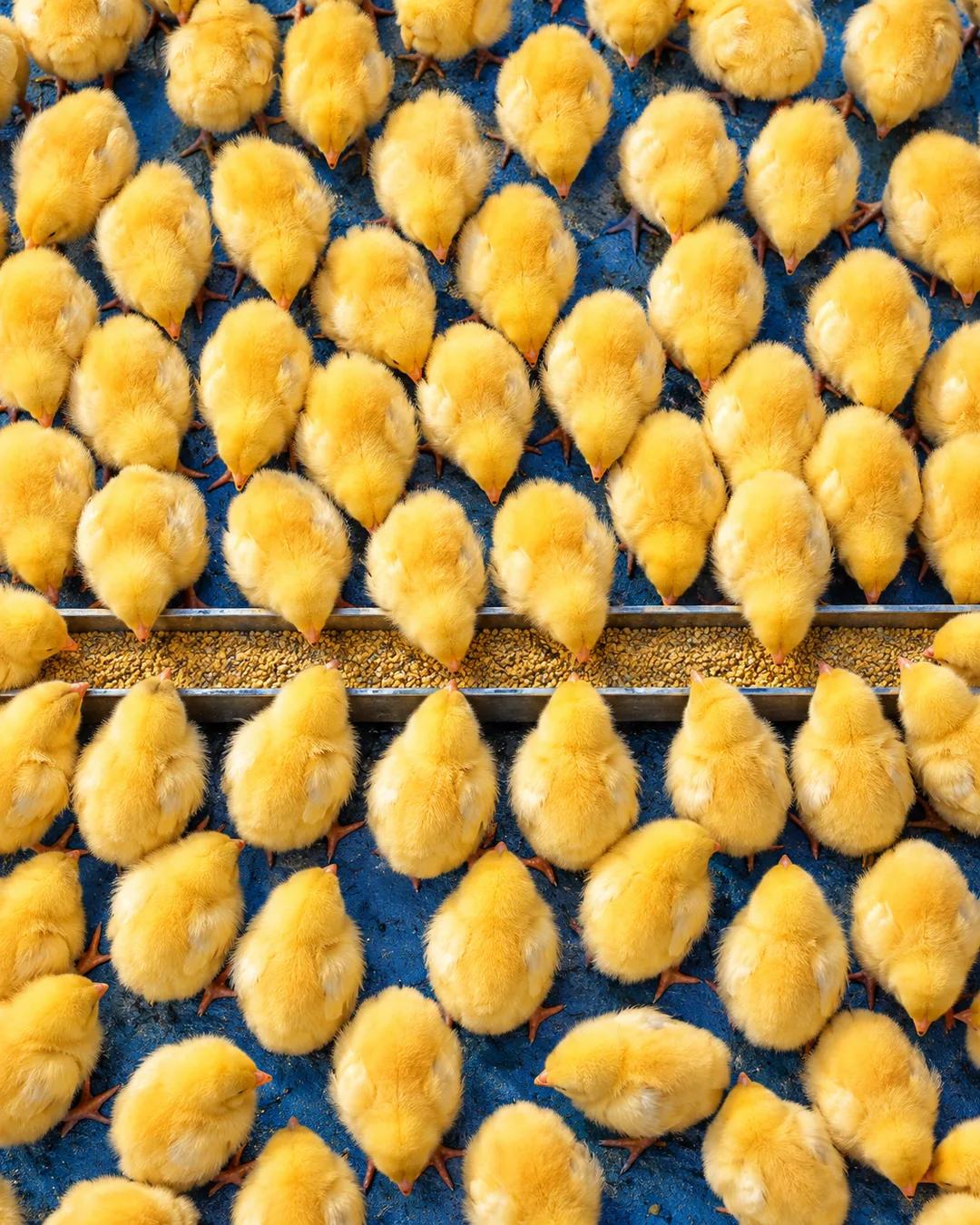
Identical chickens catch the same diseases

The chicken industry is relying on an increasingly small gene pool. Chicks arrive alike as two peas in a pod, 90,000 at a time on one farm, and they are all fed the same food.
Because the birds are all identical, they are very vulnerable to diseases that come in. If one bird is affected, all the birds would be affected.
Why does a small gene pool raise disease risk?
In a varied population, a few individuals usually carry genetic variants that resist any given pathogen, so a disease rarely wipes everyone out. In a uniform population, a pathogen that can infect one animal can infect every animal. Agriculture has seen this before: in 1970 the Southern corn leaf blight destroyed about 15 percent of the US corn crop, according to a National Academy of Sciences report, because most hybrid corn shared the same male-sterile cytoplasm. Uniform genetics lets a single pathogen exploit the same weakness across an entire field or flock.
How does disease spread so quickly through a barn?
Thousands of birds share the same air, drinking water lines, and feed lines, so a pathogen has many routes between neighbors. Avian influenza, for example, spreads through respiratory secretions and droppings, and it can pass through a whole flock within days. Producers rely on biosecurity measures such as footbaths, protective clothing, and restricted visitor access to keep pathogens out of the barn in the first place. Flocks are also kept apart from wild birds, which can carry avian influenza viruses.