Korva is a scroll of the internet’s best ideas.

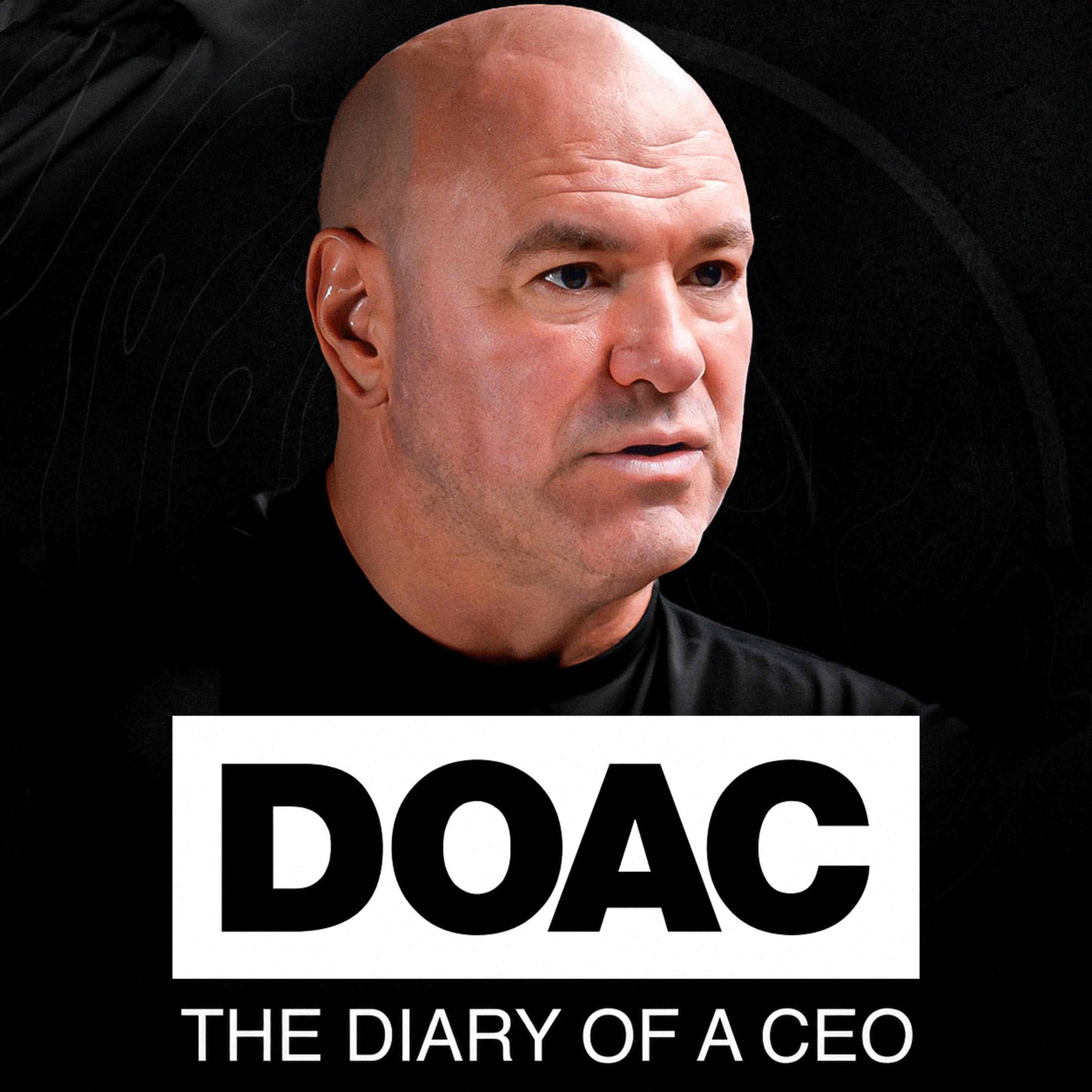
Never looking back
Lessons from the past are worth keeping, good and bad alike. After that, what happened a few hours ago is gone. Dana White gives no time to looking back at what the UFC has built, since whatever came before already got him here, and he spends his days on what comes next: who is coming after him, how to build, how to get bigger and better. At 57, he wants to be better tomorrow than he was today in every way possible.
A hard childhood
That includes a rough childhood. He grew up in a family of hard people, and affection was in short supply. His Irish grandmother answered a hello and an I love you with almost nothing, just a brief see you later.
He would not take back a thing from that upbringing or trade it for different parents or a different family. It built him for this life, and it is pretty hard to hurt his feelings now. A small group of people matter to him, and opinions from anyone outside that circle carry no weight.
Why does past spending cloud future choices?
In a 1985 study by Hal Arkes and Catherine Blumer, theater subscribers at Ohio University were randomly given full-price or discounted season tickets. Those who paid full price attended more of the early shows, even though the seats were equally good. The researchers described it as a reluctance to waste what had already been spent, a pattern they called the sunk cost effect. The difference showed up in the first half of the season and then faded.
Why does memory help us imagine the future?
Psychologists Daniel Schacter and Donna Addis proposed in 2007 that memory works like a construction kit for imagining what comes next. Brain imaging has shown that remembering the past and picturing the future activate largely the same network of regions. In a 2007 study in the Proceedings of the National Academy of Sciences, Demis Hassabis and colleagues found that patients with hippocampal damage struggled to imagine new scenes in rich detail.
More from The Diary Of A CEO with Steven Bartlett