Korva is a scroll of the internet’s best ideas.
Important work draws founder scrutiny

Priority and attention
Work that is important but not the most important thing gets less attention from founders, and they don't work as closely with you on it. Work that is a high priority for a founder is different. You give them status updates all the time, and they are closely involved.
The founder's baby
Some leaders find that annoying and wish the founder would stay out of it. But it is the founder's company, their baby, and one of the most important things at the company. The leader's job on those projects is to execute the vision in the way the founder wants to see it for the company.
A double-edged sword
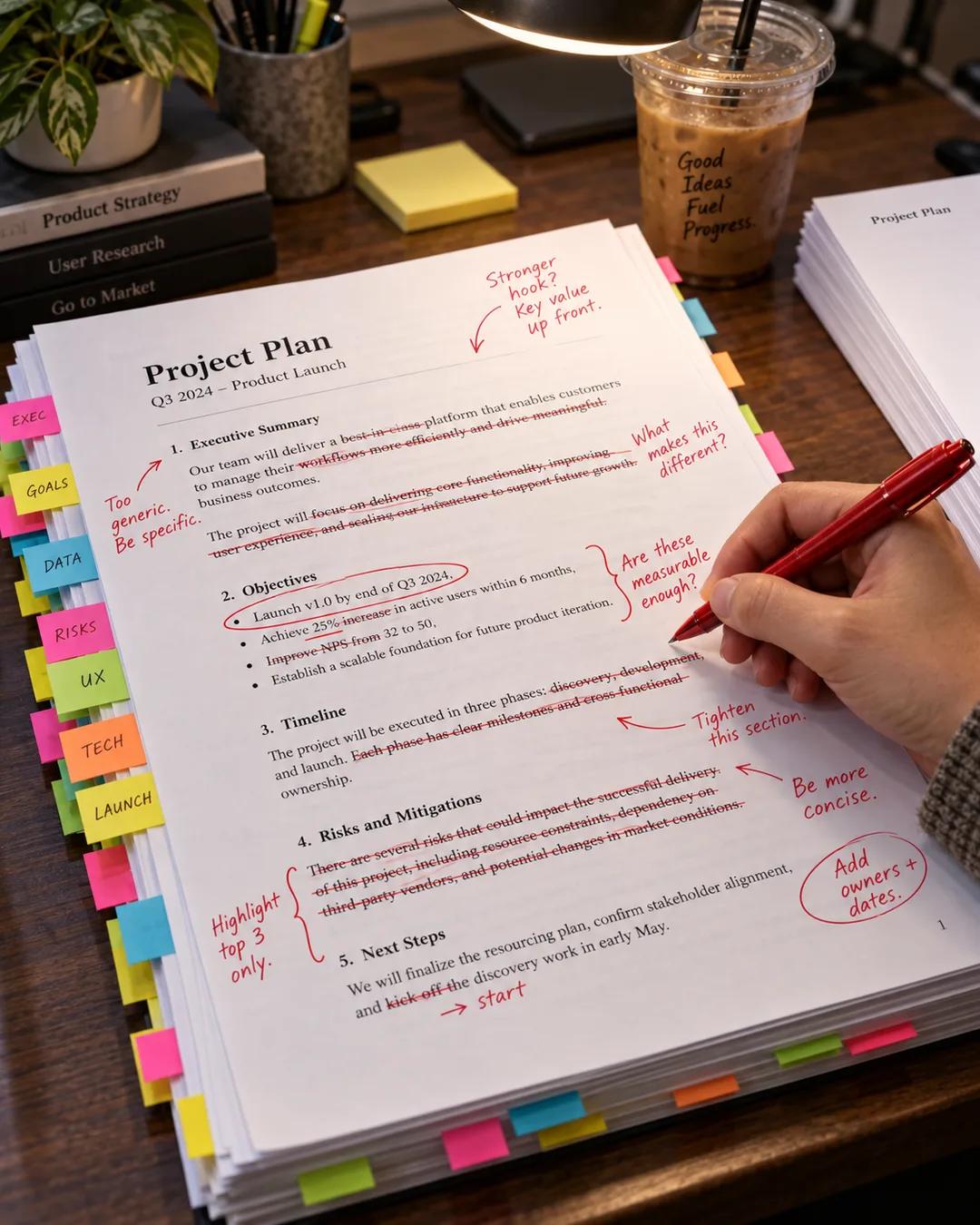
The attention is good, and it is also a double-edged sword. Everything you do receives a lot of critical feedback, and getting approvals takes a lot of back and forth. That comes with working on important things, and it is a way to have a lot of impact.
Why do founders stay so close to key projects?
A founder's name and vision are tied to the company in a way no hired executive's are. On the projects that define the product or brand, the cost of a miss falls on the founder first. In a 2024 essay called Founder Mode, Y Combinator's Paul Graham described founders who stay deeply involved in details instead of delegating them. The essay drew on a talk by Airbnb's Brian Chesky about running his company that way.
Why do approvals multiply on top-priority work?
The more people care about the outcome, the more people want to weigh in before it ships. Each review adds a round of feedback, and each round can send the work back for changes. Founders often hold the final say on the highest-priority projects, so everything routes through them. Their calendars are limited, which stretches the wait between rounds.
More from next play