Korva is a scroll of the internet’s best ideas.

Making the on-site two-way
Companies are almost always buying at the on-site: assessing, extracting information, and giving little back to the candidate. Good self-selection produces good inputs and data, so Cursor wants the experience to feel more two-way than most. That starts with handpicking who the candidate meets, and who greets them.
Choosing who they meet
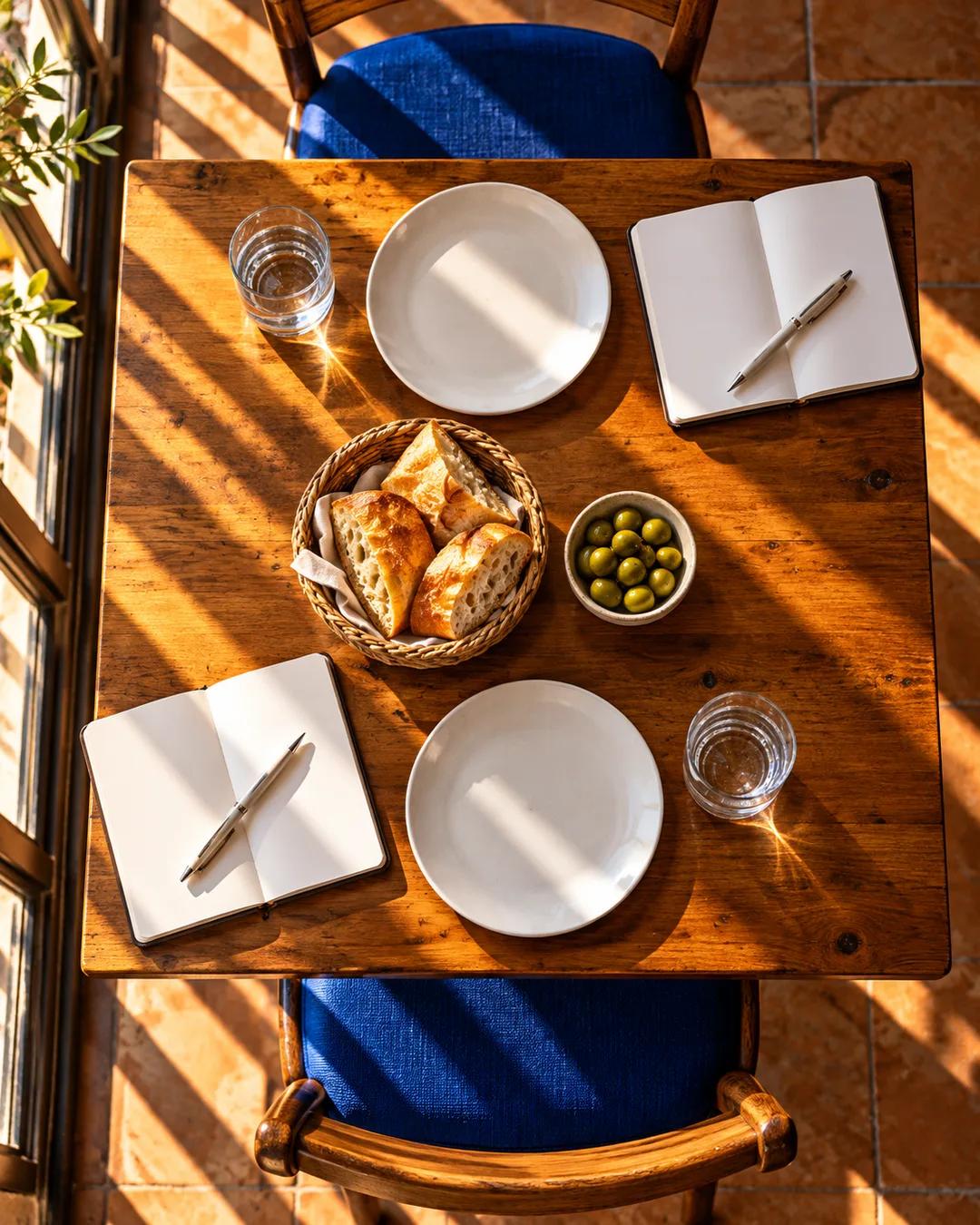
Whoever sits beside the candidate at lunch is chosen on purpose, and the day is built around a meal, whether breakfast, lunch, or dinner. The team picks people it expects to connect with that candidate, so the company learns from them as well.
The recruiter as quarterback
The recruiter acts as the quarterback, pulling lots of levers, with the hiring manager supplying insight into which colleagues fit. Recruiting coordinators handle scheduling and also shepherd the candidate through a day or two, moving them from a workstation into lunch, back to work, and getting their environment set up.
Why do realistic previews improve job fit?
Industrial psychologist John Wanous proposed realistic job previews in 1973, after finding that candidates who saw the real conditions of a job were less likely to quit later. Giving applicants accurate information lets those who would be unhappy withdraw early. Meta-analyses since then have found that previews lower turnover. A two-way interview works as a preview of the team and the work.
Why does the person beside you matter?
In a 1950 study of the Westgate housing project at MIT, Leon Festinger, Stanley Schachter, and Kurt Back found that friendships formed most often between neighbors who lived physically close. Residents near stairways and mailboxes met more people and made more friends. Proximity creates repeated casual contact, which is how acquaintance turns into liking. The person who sits beside a visitor at lunch gets that opportunity.
More from Lenny's Podcast: Product | Growth | Career