Korva is a scroll of the internet’s best ideas.
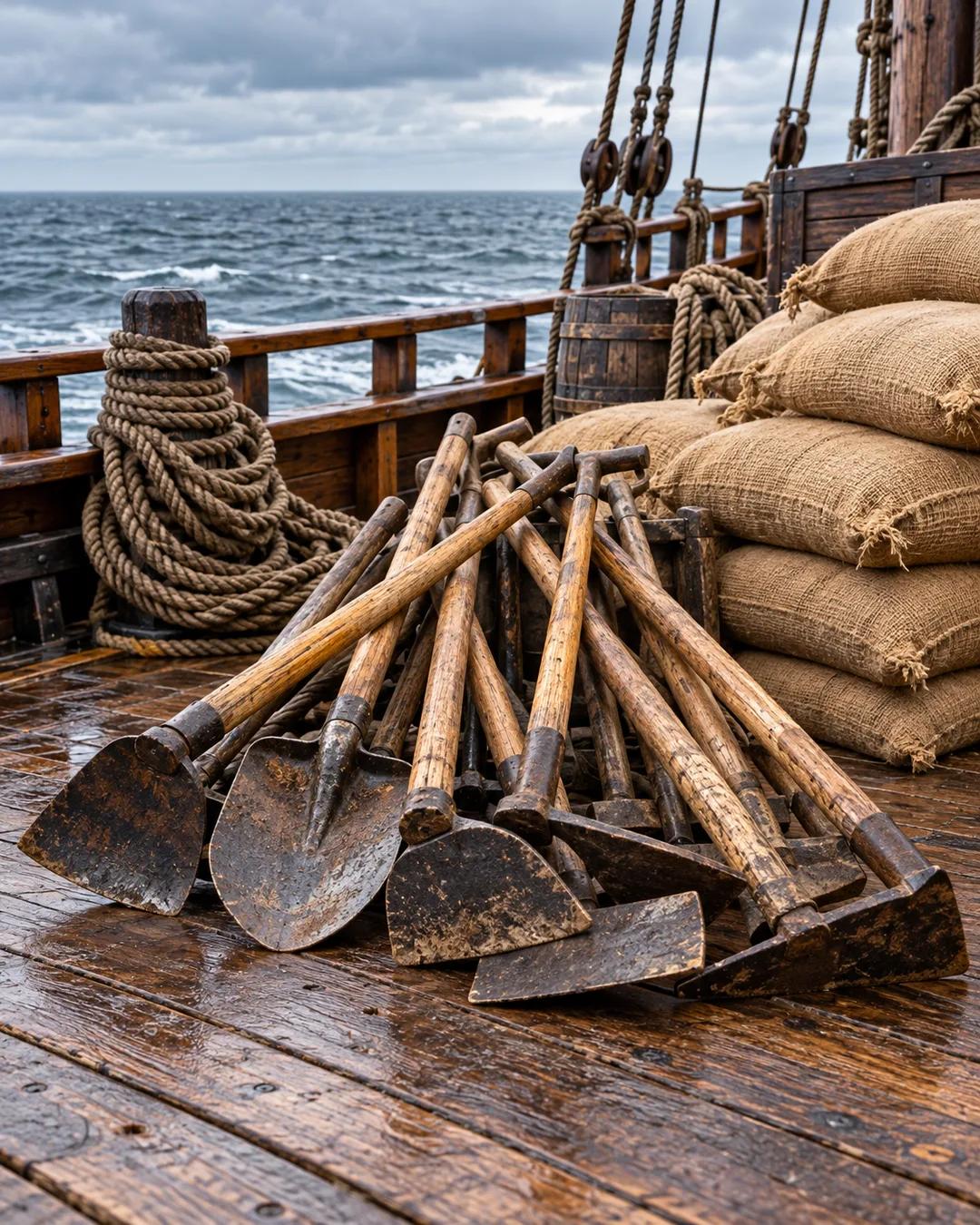
Invasion fleet carrying hoes

Prisoners with Hoes
He had a huge captured Song army and, as a ruler who no longer slaughtered the defeated, no safe place for it. He sent some up the Amur River and explored Tibet for land to settle them on, but neither had enough farmland for a military colony. Most of the ships for Japan carried unarmed prisoners with hoes and farming tools.
A Divided Fleet
The fleet was organized the Mongol way, in a left wing and a right wing, and at sea that failed. The left wing came from Korea with ships built there, the right wing from southern China with different ships, and no center held them together. They argued with each other and sabotaged each other.
Fire and Typhoon
The grenades they brought scared horses and exploded, which looked impressive. The Japanese had spent the years in between learning how the Mongols fought, and at night they fired flaming arrows at the ships to set them on fire. A typhoon finished off the fleet. The soldiers drowned, which Kublai Khan had not planned.
How big was the second invasion fleet?
Yuan sources describe two fleets, one from Korea and one from southern China. They put the combined force at about 140,000 men, and later accounts count thousands of ships. The fleets sailed in 1281 and were meant to meet at Iki Island before landing together. The southern fleet was late, so the Korean fleet fought alone for weeks.
What was a military colony?
Chinese dynasties called these tuntian, soldier-farmer settlements. Soldiers farmed land near a frontier and fed themselves, reducing the cost of supplying them. The system dates back to the Han dynasty. The Yuan dynasty used tuntian along its borders.
How did the Japanese prepare for the second invasion?
After 1274 the Kamakura shogunate had a stone wall built along the shore of Hakata Bay, running about twenty kilometers. It kept horses from riding off the beaches and gave defenders cover. The Japanese also gathered ships and small boats to raid the invaders at night. In August 1281 a typhoon struck the fleet, which the Japanese later called the kamikaze, or divine wind.
More from Lex Fridman Podcast