Korva is a scroll of the internet’s best ideas.
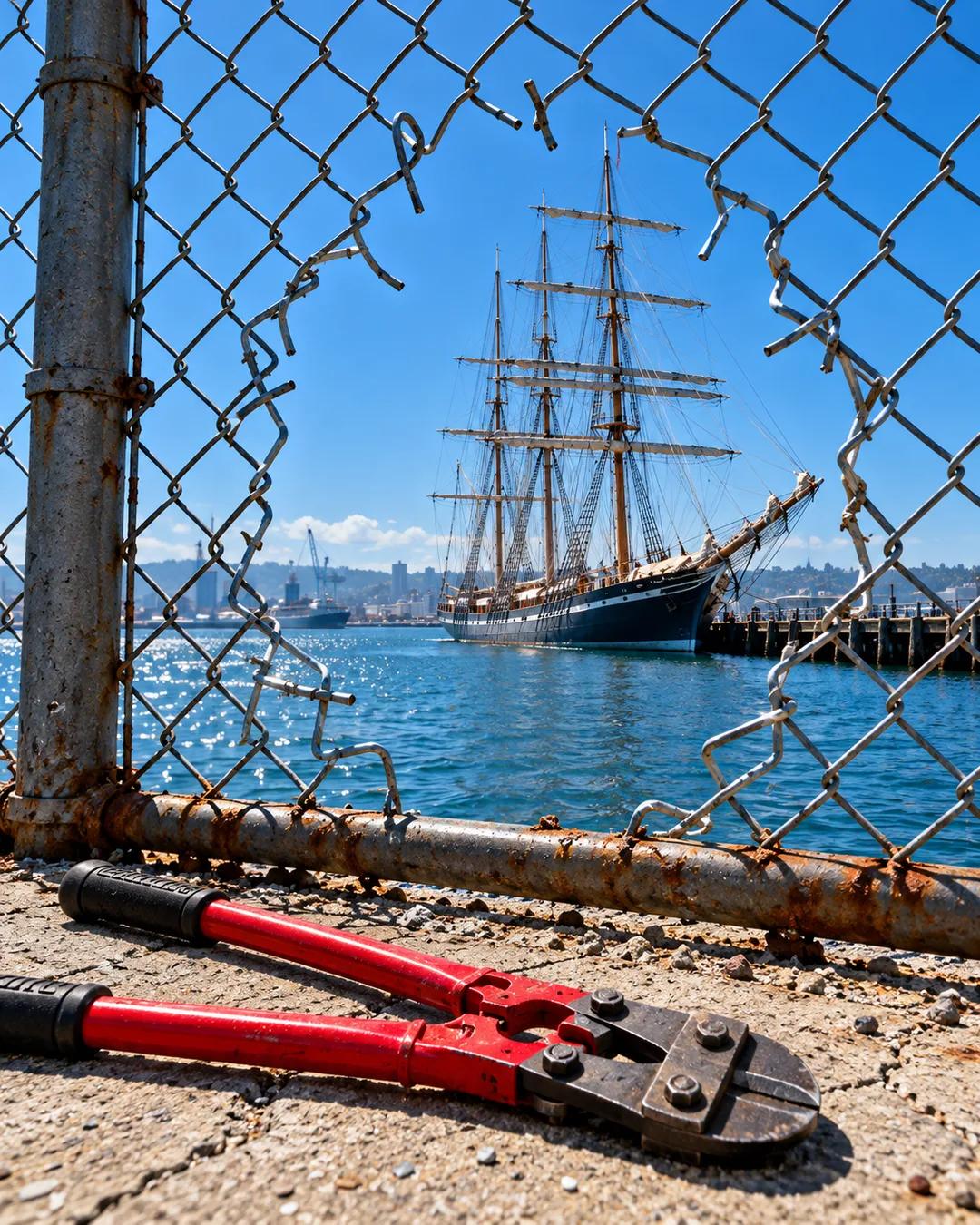
Ironworkers cut a fence for tall ships

Operation Sail arrives
Operation Sail brought the older, sail-driven ships into New York Harbor, a huge moment that had taken a great deal of planning. On the Jersey City side, the crowd milled around, asking where the next sailboat was.
Two historians, one crowd
Two future historians of the Revolution stood in that crowd without knowing it. Years later they compared notes and found they had been in exactly the same place at the same time. One remembers the bolt cutters and the ironworkers he was with. The other, who was younger, remembers getting sunburned and then drenched in a thunderstorm on the way home.
Families of the waterfront
Both came from families where the fathers worked on the waterfront, and both were the children or grandchildren of immigrants. Decades later, one of them visited some of those ships with his son at the docks in Boston and learned about the history and the day-to-day work of the sailing ships.
How did Operation Sail come together?
Operation Sail 1976 was timed to the bicentennial on July 4, 1976, and brought a parade of tall ships into New York Harbor. Sixteen large square-riggers led the procession, followed by hundreds of smaller vessels. President Gerald Ford reviewed the International Naval Review from the aircraft carrier USS Forrestal. The first Operation Sail had been held in 1964.
Why were sailing ships still afloat in 1976?
Many of the great square-riggers were training vessels operated by navies and maritime schools, where cadets learn seamanship under sail. The US Coast Guard's Eagle is one of them. Norway's Christian Radich, Argentina's Libertad, and Brazil's Guanabara also took part in the 1976 parade. The Eagle was built in Germany in 1936 as the Horst Wessel and passed to the United States as a war reparation in 1946.
How did containers change waterfront work?
Longshoremen once loaded ships piece by piece, and large crews were needed for each vessel. Malcom McLean changed that when his ship Ideal X carried 58 steel containers from Newark to Houston in April 1956. Containers could be lifted by crane and moved directly to trucks and trains, which shrank dock crews over the following decades. Port Newark and Port Elizabeth in New Jersey became leading container ports in the 1960s.
More from Joys of Compounding