Korva is a scroll of the internet’s best ideas.

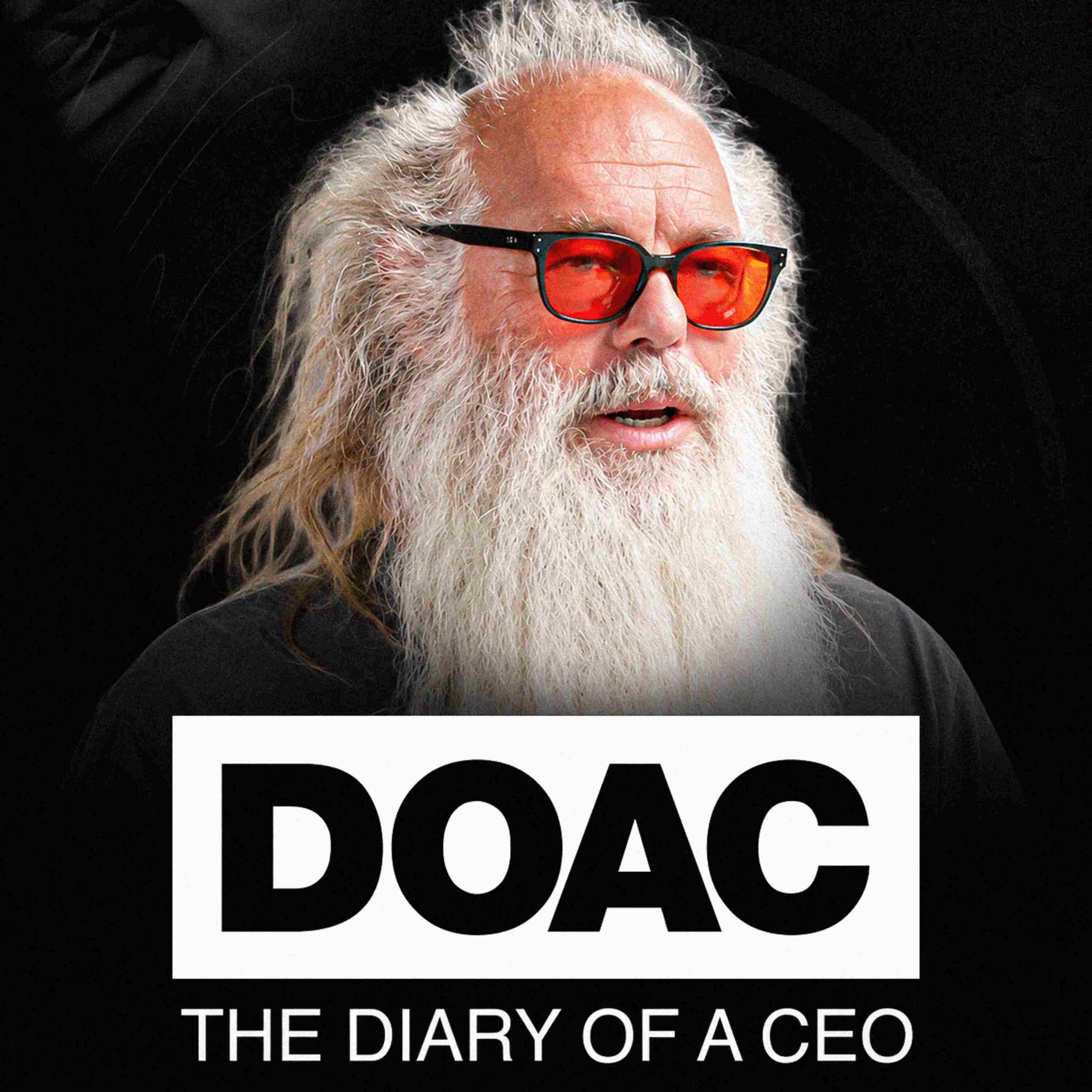
Rick Rubin had just made a documentary with Paul McCartney, and he started thinking about who else was misunderstood. He settled on Jay-Z, who people see as a billionaire businessman and a behind-the-scenes genius, and who is rarely thought of first as a poet. Rubin wanted to shine light on the intricate and difficult lyrics and the artistry behind them.
He pitched the idea to Jay-Z, who liked it a lot but held off on a yes. If he agreed, they would make it, and he wasn't sure. They didn't talk about it again for about a year.
Rubin finally asked a friend of Jay-Z's, who advised him to call and ask, because Jay would say yes or no and otherwise it wouldn't happen. Rubin sat on that advice for six or eight months, because asking again after already pitching it felt uncomfortable. The next time the subject came up, Jay-Z agreed, and they made an eight-part series.
What did Rubin make with Paul McCartney?
The series McCartney 3, 2, 1 came out on Hulu in 2021. It runs six episodes, shot in black and white, in which Rubin and McCartney sit in a studio and listen to isolated tracks from Beatles and Wings recordings. McCartney talks about how the parts were made while the pieces are soloed on the mixing board. It gives viewers a rare look at how individual instruments combine.
Why is Jay-Z considered a poet?
In his 2010 book Decoded, Jay-Z annotated his own lyrics and explained the wordplay, references, and stories behind them. In 2017 he became the first rapper inducted into the Songwriters Hall of Fame. Critics have compared his internal rhymes and compression of meaning to poetry. His songs often layer double meanings across a single line.
Why is asking for something so hard?
In a 2008 study in the Journal of Personality and Social Psychology, Francis Flynn and Vanessa Lake found that people underestimate how likely others are to agree to a direct request, by as much as half. Participants asked strangers for things like filling out a survey or lending a phone, and the strangers said yes far more often than the askers predicted. The researchers linked the gap to the asker's discomfort and the awkwardness of saying no in person. Requests made face to face were harder to turn down than predicted.