Korva is a scroll of the internet’s best ideas.
Jefferson bought Louisiana unconstitutionally

The purchase
The purchase added over 800,000 square miles. It covered Arkansas, Missouri, Iowa, Nebraska, Kansas, Oklahoma, much of Colorado, Wyoming, and Montana, about the middle third of the United States. Jefferson went ahead without constitutional cover and set aside his principles for the result he wanted.
Lewis and Clark
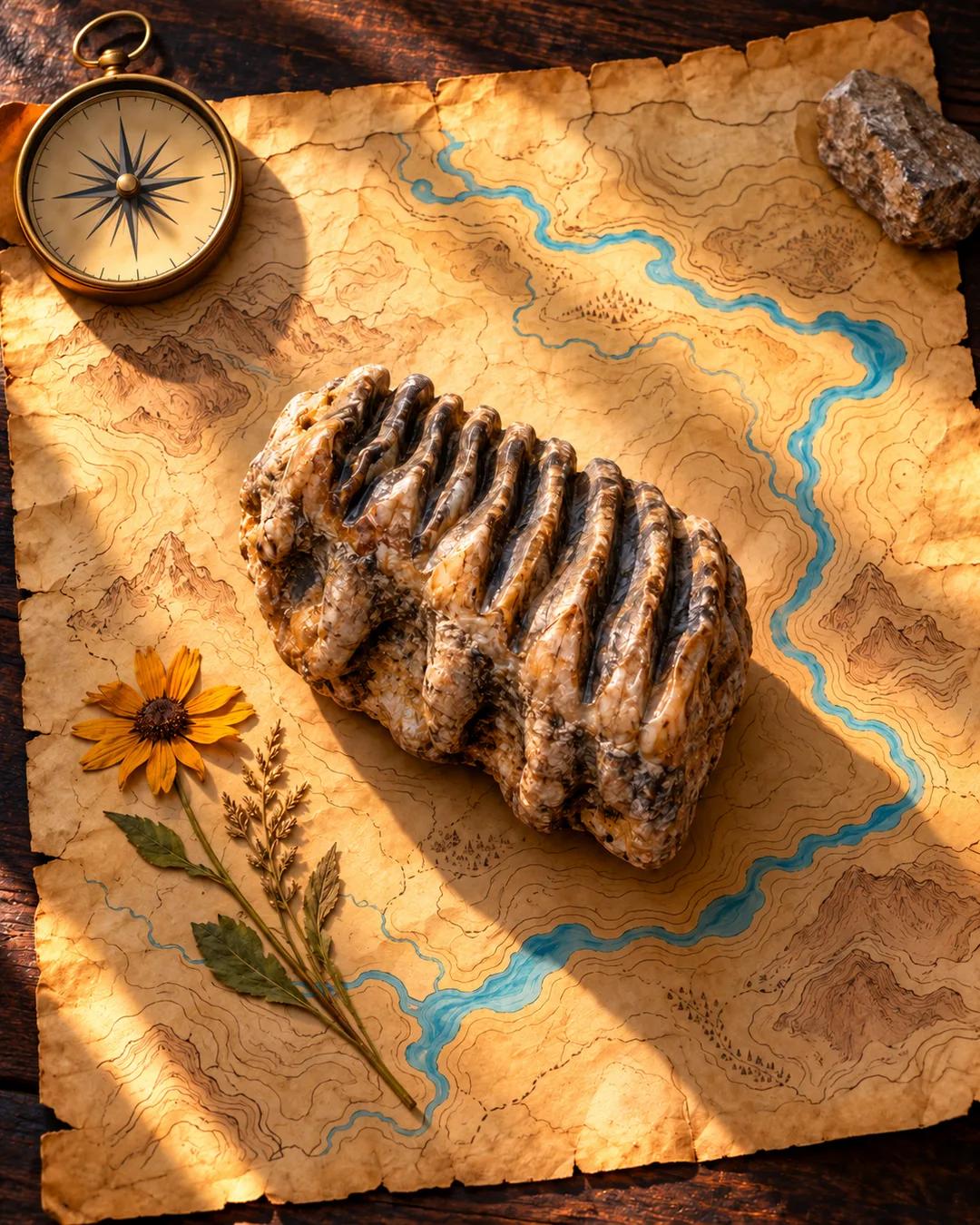
A year later he commissioned the Lewis and Clark expedition to explore the new land and push on to the Pacific. It was partly scientific. The party brought back new plants and flowers, which Jefferson added to his flower beds, and fossils, some of which he kept. His one real disappointment was that they found no mastodons, the prehistoric elephants he had hoped were roaming the grasslands out west.
Empire of liberty
It was also a scouting trip for expansion toward the Pacific. Jefferson called the project an empire of liberty, picturing a nation of yeoman farmers who would need land to stay virtuous. When Mount Rushmore was carved in the 1930s, he was one of the four presidents chosen, as the symbol of American expansion.
Why did Napoleon sell Louisiana so cheaply?
Napoleon had sent an army to reclaim Saint-Domingue, the rich French colony that is now Haiti, and it was destroyed by the revolution there and by yellow fever. Without that base, a North American empire made little sense to him. He also needed money for renewed war with Britain, and he feared the British would seize Louisiana anyway. The United States paid 15 million dollars.
How did Jefferson square it with the Constitution?
Jefferson first drafted a constitutional amendment to authorize the purchase. He dropped the idea when his envoys warned that Napoleon might withdraw the offer if the process dragged on. The Senate ratified the treaty in October 1803 by a vote of 24 to 7. The treaty was signed in Paris in April 1803, with the formal transfer of the territory following that December.
Why did Jefferson hope mastodons were still alive?
Jefferson believed nature would not allow a species to vanish. He collected fossil bones, including mastodon remains from Big Bone Lick in Kentucky, and argued in Notes on the State of Virginia that large animals might survive in the unexplored interior. In 1807 he sent William Clark to dig at Big Bone Lick. Clark shipped several boxes of bones to Jefferson at the White House.
More from The Rest Is History