Korva is a scroll of the internet’s best ideas.
Jefferson tied his own running mate

A forgotten vote
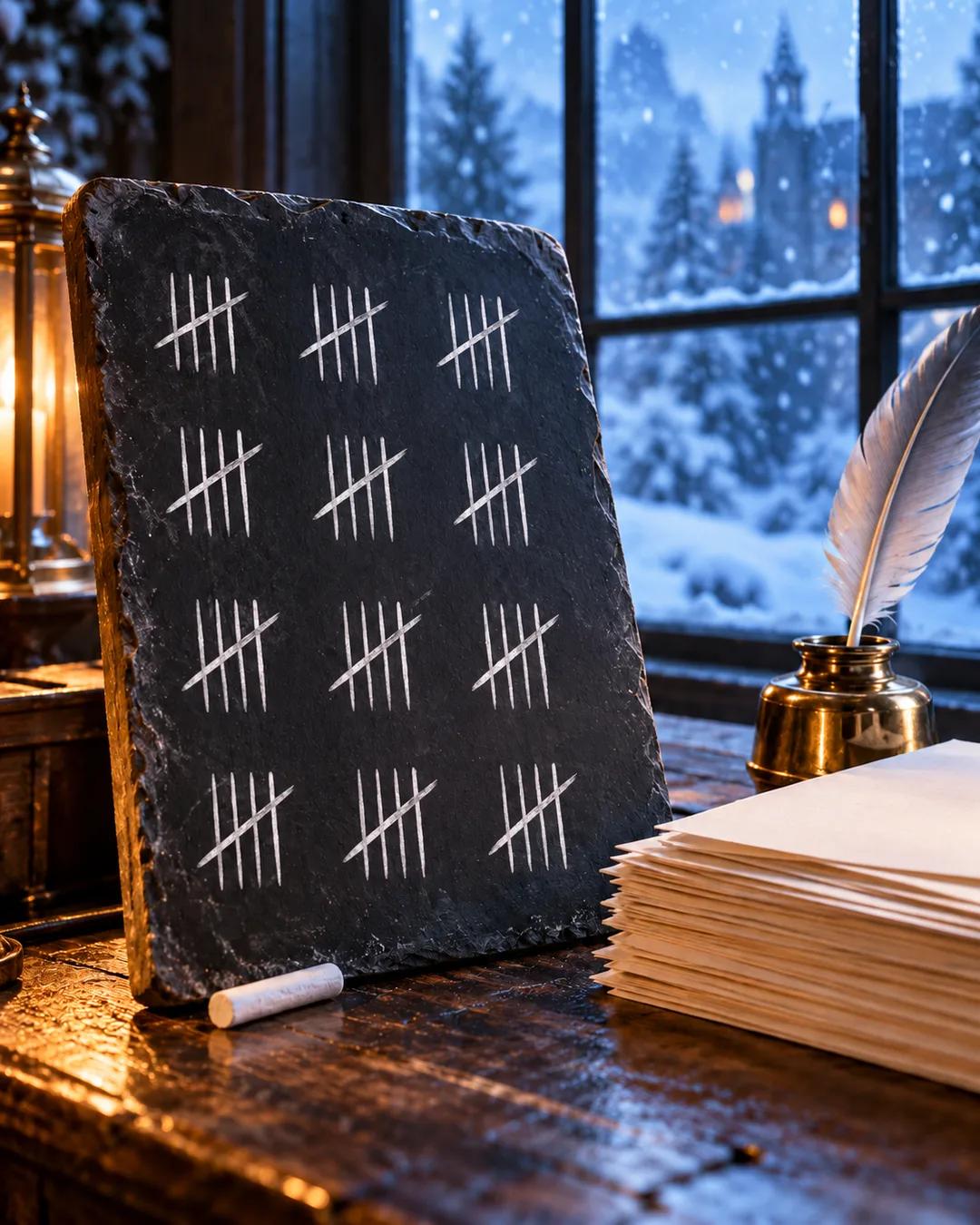
The plan had been 73 votes for Jefferson and 72 for Burr. One Democratic Republican elector was meant to cast his vote for Jefferson but not for Burr, and he forgot. When the electoral votes were formally delivered on the 11th of February 1801, the two men were level.
Thirty-six ballots
Almost anyone else in Burr's position would have stepped aside, since Jefferson was plainly meant to be president. Burr stayed in. The tie sent the election to the House, where there were now 16 states and each held one vote. The Federalists, who had no wish to hand anything to the brilliant and effective Jefferson, voted for Burr again and again.
The ballots were held in the new capital while snowstorms raged outside, and some members had to be carried in on stretchers. Day after day the votes stayed tied. On the 16th of February, after 35 tied ballots, the deadlock broke and Jefferson won the 36th. Even Alexander Hamilton had written that Jefferson was to be preferred on every virtuous and prudent calculation, and that he was by far not so dangerous a man as Burr, since Jefferson at least had pretensions to character.
Burr and Hamilton
Four years later Burr shot Hamilton dead.
How could two running mates tie?
Under the original Constitution, each elector cast two votes for president, with no separate ballot for vice president. The candidate with the most votes became president, and the runner-up became vice president. The framers had not expected organized parties running paired tickets. The Twelfth Amendment, ratified in 1804, split the ballots into one for president and one for vice president.
What finally broke the deadlock on the 36th ballot?
Several Federalist members of the House stopped voting for Burr at the end. James Bayard, the only representative from Delaware, cast a blank ballot, which freed his state's vote. Members from Vermont and Maryland also changed their votes or abstained, and South Carolina and Delaware returned blank ballots. Jefferson ended with ten of the sixteen states.
Why did Burr shoot Hamilton?
Hamilton had been working against Burr's political ambitions for years, including in the 1804 race for governor of New York, and remarks attributed to him at a dinner reached the newspapers. Burr demanded an apology, and the exchange of letters ended in a duel at Weehawken, New Jersey, on the 11th of July 1804. Hamilton was wounded and died the next day. Burr was serving as vice president at the time and was indicted for murder in New York and New Jersey, but he was never tried.
More from The Rest Is History