Korva is a scroll of the internet’s best ideas.
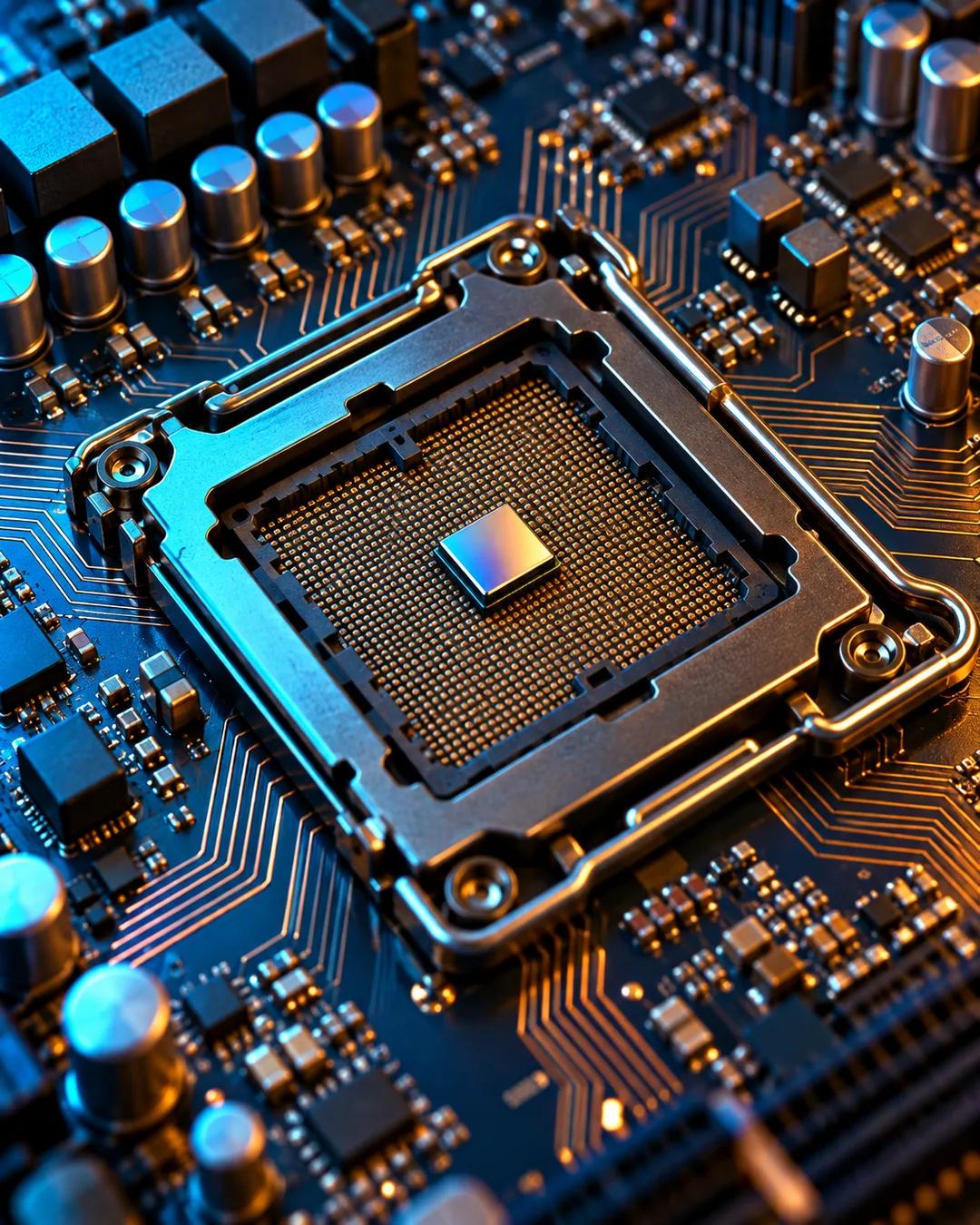

The offer to help
Apple had moved its Macs from the Power chip to Intel's Centrino, and it was a big deal for Intel. Apple was a demanding customer, pushing for smaller chips and lower power with every generation. Intel was proud of its silicon and software skills, including its compilers and operating systems.
The offer came in the first conversation about the port. The reply left the Intel side shocked: Apple had been carrying the operating system over to x86 across four releases, quietly preparing core technology for a switch that might happen someday.
Apple's own chips
Jobs worked the same way with chips. Apple acquired some small companies, built up a little competence, and made a few little chips internally that were no big deal at first. Then the little chips got a little bit bigger.
When Jobs stopped being convinced that Intel could keep making chips smaller and lower power, he started the project that became Apple's own silicon. Building its own chips let Apple optimize the system design alongside the silicon design, instead of relying on a chip that had been tuned somewhat for a Windows environment rather than iOS.
Why did Apple leave PowerPC chips behind?
Apple's Macs had run on PowerPC chips built by IBM and Motorola since 1994. By the mid-2000s, IBM's PowerPC G5 ran hot enough that it never fit into a laptop. Steve Jobs announced the move to Intel at Apple's developer conference in June 2005, pointing to performance per watt as the reason. The first Intel Macs shipped in January 2006.
How do you keep an operating system secretly portable?
Software written in a high-level language can be compiled for a different processor if the machine-specific parts are kept separate and maintained. Apple kept building Mac OS X for both PowerPC and Intel chips inside the company, which meant each release was tested on both. Jobs revealed this at the 2005 announcement, saying every release of Mac OS X had been built and compiled for Intel in parallel. The same discipline let Apple later retarget the system for its own Arm-based chips.
Why does designing its own chips help Apple?
When one company controls both the chip and the software, it can add hardware for the jobs the software does most. Apple's M1 chip, announced in November 2020, puts the processor cores, graphics cores, and memory in a single package that shares one pool of memory. That removes the copying of data between separate processor and graphics memory that traditional PC designs require. Apple's iPhone chips, which began with the A4 in 2010, preceded the Mac versions by a decade.
More from All-In with Chamath, Jason, Sacks & Friedberg