Korva is a scroll of the internet’s best ideas.
Joy comes from four places

Feeling connected
The biggest category is feeling connected to someone, and the easiest example is a moment of laughing together. In that moment, it is a biological reality that you are connected and feel close.
Feeling good about yourself
The second is doing something that makes you feel good about who you are. That can be progress on a goal, good news, finishing something you had been putting off, acting on your values, helping someone, or being told you made things better.
Beauty and enjoyment
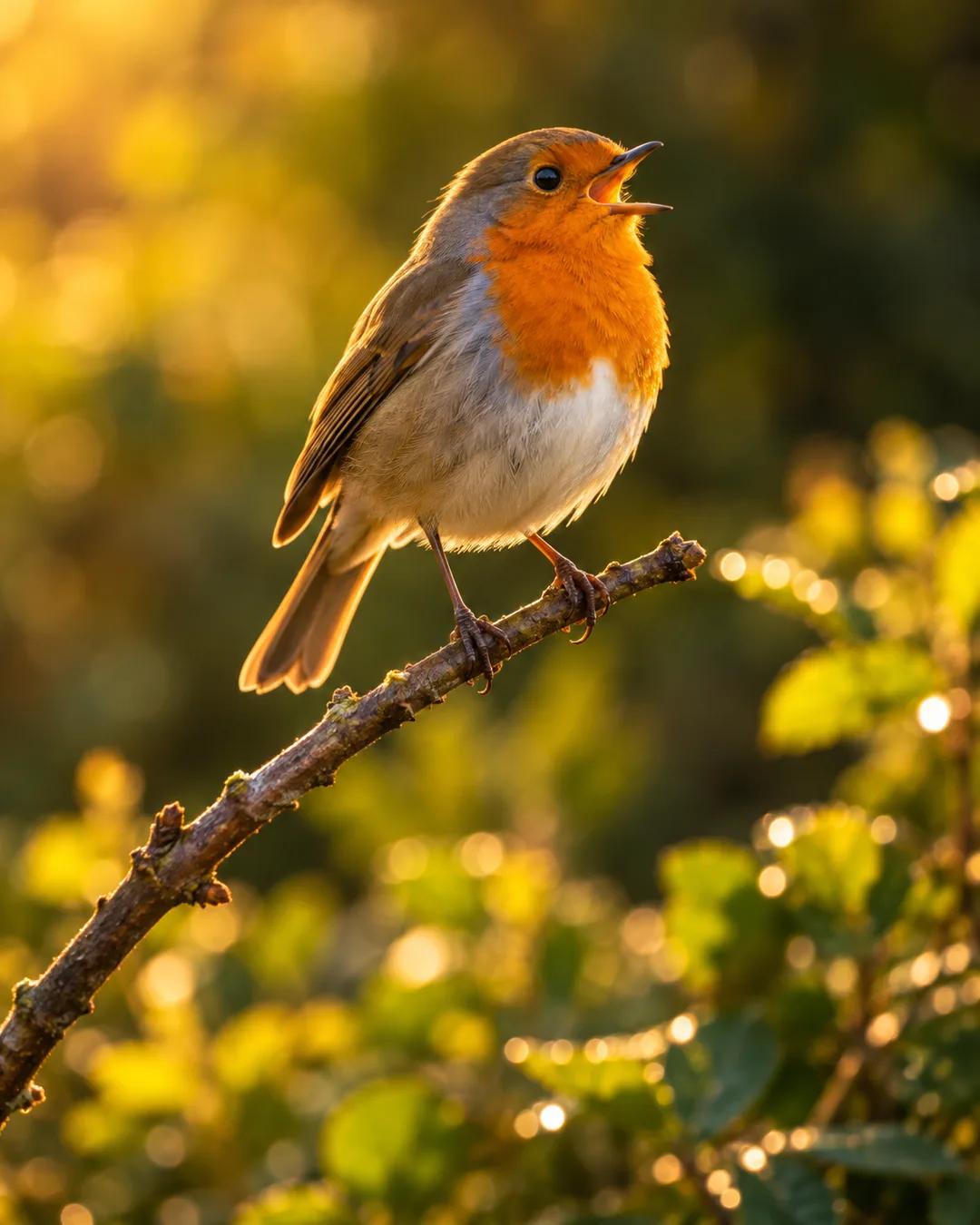
The third is noticing something wonderful or beautiful in the world, and it is often nature. A remarkable number of joy reports are about hearing a bird sing, and in that moment people feel connected to the good in life itself.
The fourth is enjoying something you love, whether an activity or a thing loved beyond reason, and being fully in the moment while doing it.
Why would hearing a bird sing bring joy?
A 2022 study in Scientific Reports led by Ryan Hammoud at King's College London used a smartphone app that asked people about their mood several times a day. Seeing or hearing birds was linked to improved mental well-being in the hours that followed, including among people with depression. The researchers found the effect held whether or not the person was in a green space. Another study of neighborhoods by Daniel Cox and colleagues in 2017 found that afternoon bird abundance was linked to lower rates of depression, anxiety, and stress.
How does laughing together create closeness?
Psychologist Robert Provine and Kenneth Fischer reported in 1989 that people laughed about thirty times more often in the company of others than when alone. This suggests that laughter is mainly a social signal rather than a reaction to jokes. Robin Dunbar's group at Oxford has linked social laughter to the release of endorphins, which promote bonding. Laughter also spreads from person to person, and hearing it can set off a response in listeners.
More from The Mel Robbins Podcast