Korva is a scroll of the internet’s best ideas.
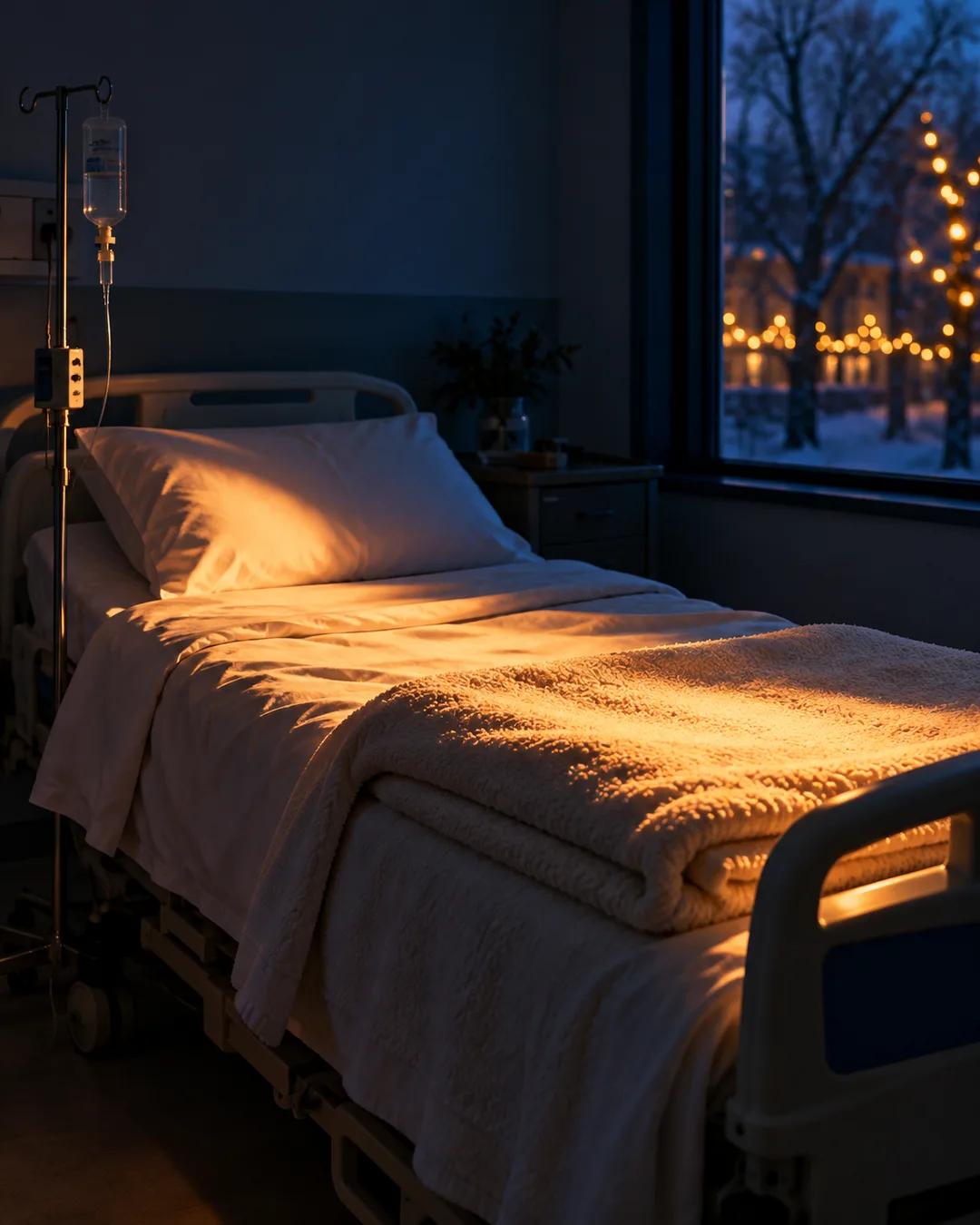
Joy found her in the hospital
The diagnosis
In her thirties, Kate Bowler, now a Duke professor and author, was diagnosed with stage four cancer. She thought she wouldn't live through that Christmas, and it felt like the end of everything she loved. When someone is that sick, nothing can be okay, and anything anyone says just isn't that true. The story in her head was that nothing would ever be good again.
A moment of wholeness
Then, for a moment, she felt deeply whole. She felt loved by other people, loved by God, just loved. It felt like a gift that came from outside herself, something she couldn't have made up, and she felt carried by it, because it gave her strength to feel whole.
What it showed
Before it happened, she would have called that impossible, because she is not that good a person and can't engineer something like it. It reached her in the worst stretch of her life anyway. Joy can come find a terrified person in the dark and convince them that their life is still deeply meaningful and beautiful, so no one has to crawl back to happiness first.
Why do such moments feel given, not made?
William James examined this in his 1902 book The Varieties of Religious Experience. He listed passivity as one of four marks of mystical states, meaning the person feels grasped by a power that is not their own. The others were ineffability, a quality of insight that feels like knowledge, and a short duration. James drew his cases from letters and memoirs of ordinary people, many written in times of crisis.
Why do crises sometimes bring sudden clarity?
Psychologists Richard Tedeschi and Lawrence Calhoun introduced the term posttraumatic growth in the mid-1990s. They described people who, after severe loss or illness, reported a deeper appreciation of life, closer relationships, and a changed sense of what matters. The researchers noted that growth usually arose alongside distress and did not replace it. Their questionnaire for measuring it has been used in studies in many countries.
More from Good Inside with Dr. Becky