Korva is a scroll of the internet’s best ideas.
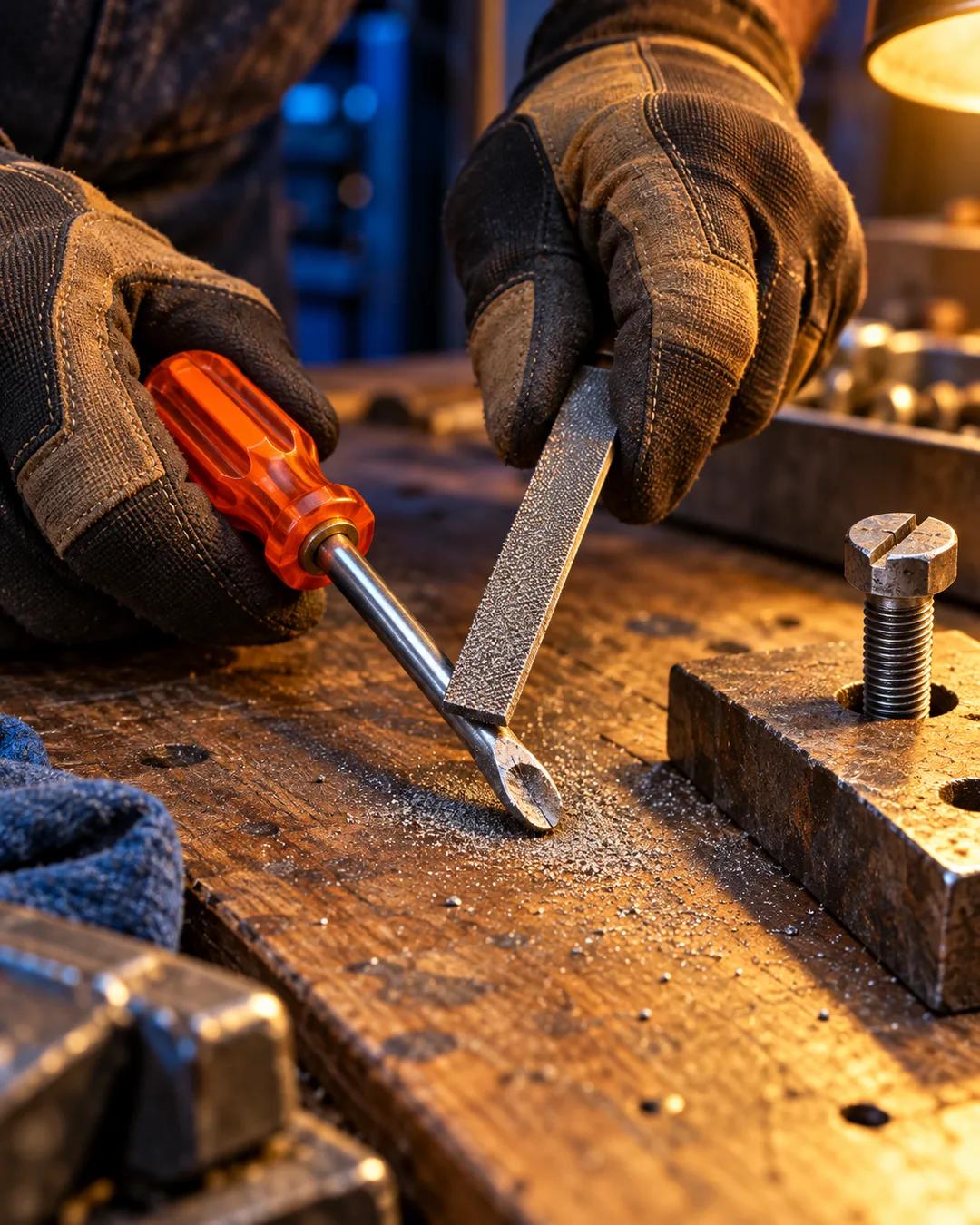
Keep the mechanic, fix the screwdriver

The founder's trap
Founders often fall in love with what they have built. When it fails for one group of users, they start wondering what other problems it could solve, the way someone might look at a screwdriver that can't drive screws and decide it might cook or clean.
The mechanic's problem
Picture a mechanic who needs to screw something in. If the screwdriver doesn't do the job, the mechanic still needs to screw something in, so the mechanic and the problem both stay and the screwdriver gets fixed.
Iterating versus pivoting
That is the difference between iterating and pivoting. Iterating means improving the solution until it actually solves the problem, and the saying that goes with it is to hold the problem tightly, hold the customer tightly, and hold the solution loosely.
Why do founders fall for their own creations?
Researchers Michael Norton, Daniel Mochon, and Dan Ariely reported in 2012 that people place a higher value on things they helped build, a result they called the IKEA effect. In their experiments, participants who assembled IKEA storage boxes bid more for them than people who had not built them. Participants who folded origami valued their own clumsy results about as highly as expert-made versions. The paper appeared in the Journal of Consumer Psychology.
How does sunk cost keep builders attached to a product?
Hal Arkes and Catherine Blumer tested sunk cost in a 1985 study of theater season ticket buyers. Tickets were randomly sold at full price or at a discount, and the people who paid full price attended more plays in the first half of the season. The money was spent either way, but the larger outlay pulled people toward continuing. The study appeared in the journal Organizational Behavior and Human Decision Processes.
Why do problems outlast the tools that solve them?
People have needed to move messages across long distances for thousands of years, while the tools for doing it keep changing. The Pony Express began carrying mail between Missouri and California in April 1860. Its riders were made obsolete when the transcontinental telegraph was completed in October 1861. The Pony Express had run for about 18 months.
More from Y Combinator