Korva is a scroll of the internet’s best ideas.
Kids need games without adults

What pickup games teach
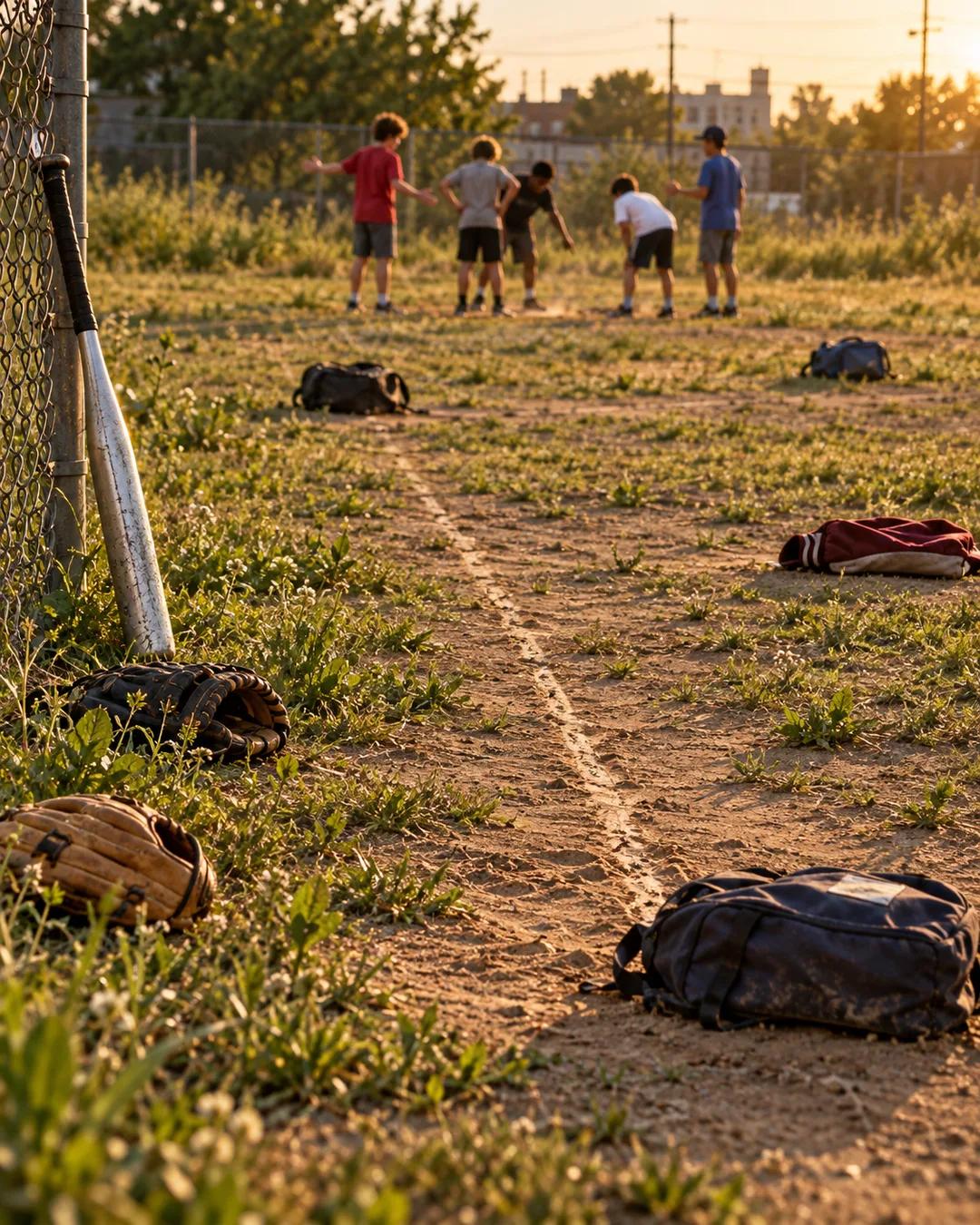
A pickup game of baseball runs on negotiation. The players work out the ground rules, settle disputes, and decide how to enforce the rules they chose. Those lessons apply to all of life.
When the pickup game becomes Little League, an adult handles all of that. The kid is a puppet controlled by an adult who solves the problems, so none of those skills get built.
The golden age of play
Except in times of slavery or intensive child labor, children have always been free to get away from adults and play with other children. Howard Chudacoff, who wrote a history of American childhood, calls the first half of the twentieth century the golden age of children's play. Intensive child labor was gone by then, and compulsory schooling was nowhere close to the big deal it later became, so children had a lot of free time to play, explore, get into trouble, and figure out how to get out of it.
Since about 1955, adults have chipped away at that freedom through 11 societal changes that made kids less likely to spend time outdoors after school and parents less willing to allow it. Between 1950 and 1990, the rate of suicide among teenagers quadrupled.
Why do pickup games teach more than leagues?
In The Moral Judgment of the Child, published in 1932, Jean Piaget watched Swiss children play marbles. He found that younger children treated rules as fixed and handed down from authority. Older children understood them as agreements that players could change together. Piaget concluded that this understanding grew out of dealings among peers.
How did children's free play time change?
Sandra Hofferth and John Sandberg of the University of Maryland compared time diaries kept by American children in 1981 and 1997. Their analysis found that time spent in free play fell over those years. Time spent in school and in organized activities rose over the same period.
More from Passion Struck with John R. Miles