Korva is a scroll of the internet’s best ideas.

Kids pull people to suburbs
The move out
The pattern shows up in economics research on high-skill workers: they sort into high-amenity areas early in life, and workers of every skill level drift toward lower-amenity, lower-cost metro areas in their thirties and forties. The move is driven by the number of children in the household, and college-educated people in particular tend to leave after their first child. During the urban boom, people with a child over 6 left cities even as childless people and people with young children moved in.
Suburbs pull ahead
That helps explain why the suburbs grew much faster than city centers for most of the urban revival of the 1990s through the 2010s, and why suburban growth has accelerated in recent years. Millennials lead it: the places with the biggest increases of early millennials were both suburban and on the periphery of metro areas. The densest city centers are rebounding from the pandemic, but more than 100% of that rebound comes from immigration, while domestic migration still runs away from city centers.
Why families go
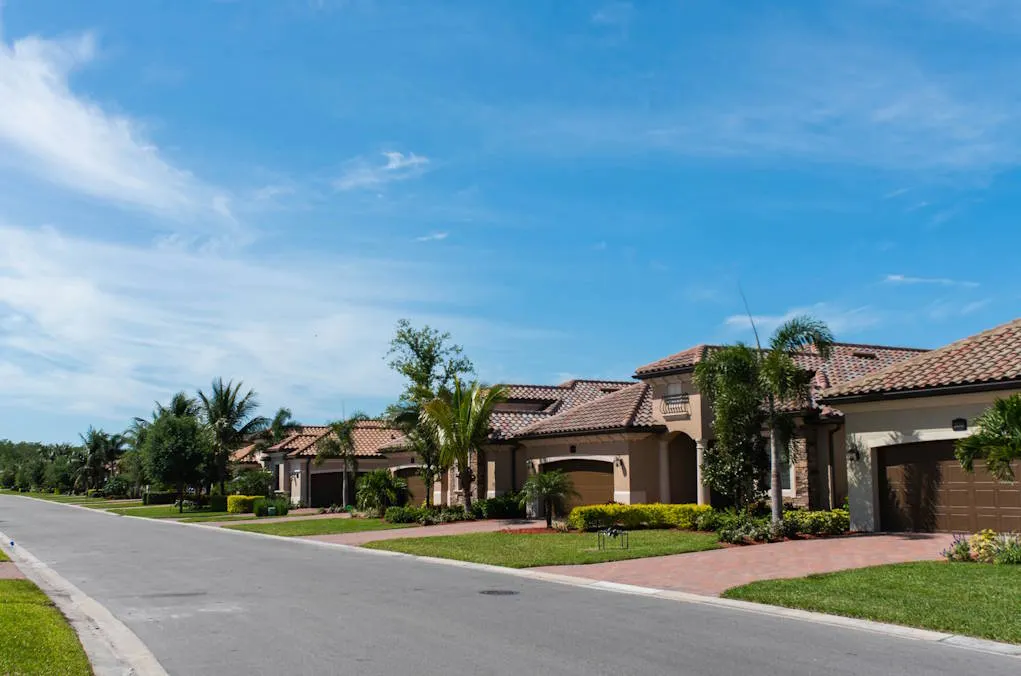
Part of the push is high rents, which come from cities failing to build more housing. Part of it is a pull, because suburbs are generally better for raising kids. A big house gives each child a bedroom, room to play, and a back yard to run around in safely. A car makes school runs and soccer practice easy, and it makes the large grocery trip manageable, since a week of food for a family of four is hard to carry home on foot or on a bike.
Why did suburbs boom after World War II?
Mortgages backed by the Federal Housing Administration and the Veterans Administration made home buying possible for millions of returning soldiers and their families. Builders such as William Levitt used assembly-line methods to produce houses quickly and cheaply. Levittown on Long Island, begun in 1947, grew to around 17,000 homes within a few years. The interstate highway system, authorized in 1956, then opened up even more land for new neighborhoods.
Why do rents climb in popular cities?
When more people want to live in a place than there are homes, prices and rents rise unless new housing gets built. Economists Edward Glaeser and Joseph Gyourko have documented that in several coastal metro areas, home prices sit far above the cost of construction. They attribute much of that gap to land-use rules that limit new building. Zoning decisions are made locally, so supply responds slowly even when demand surges.
Why are immigrants driving city rebounds?
Newly arrived immigrants often settle where earlier arrivals from their home countries already live, a pattern researchers call chain migration. Cities offer rental housing and entry-level jobs that are accessible without a car. Established networks of family and community also help new arrivals find work and housing. The Census Bureau has reported for decades that immigrant populations concentrate in large metro areas.