Korva is a scroll of the internet’s best ideas.
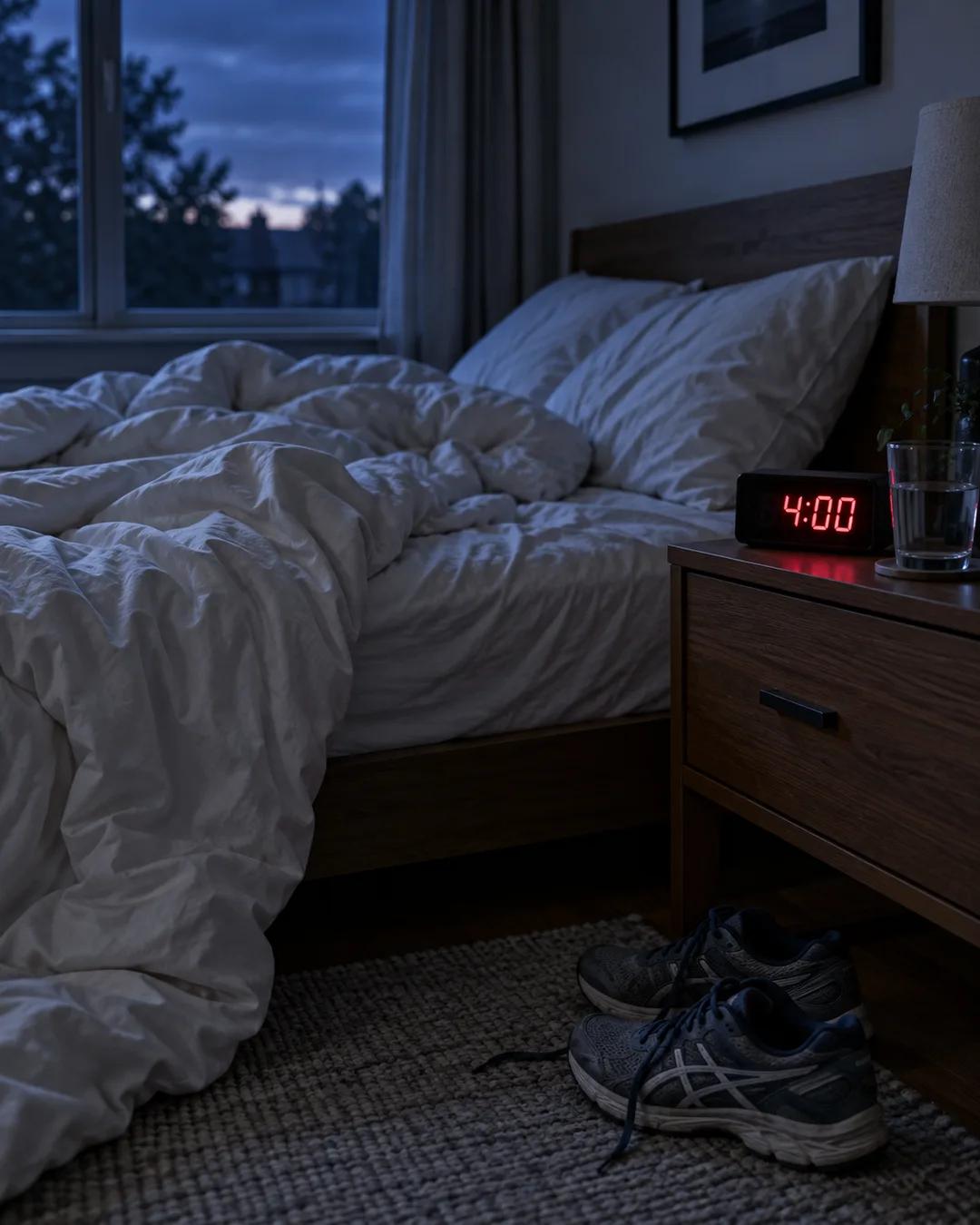
Throughout history some people have seemed to require less sleep, and Elon represents the extreme: even a billionaire investor from the Bay Area who asked could not get an explanation of how he runs several huge companies at once. For everyone else, the honest question is how much sleep feels awesome, how much is good enough, and when it is not enough, at this stage of life and of a company. For one person, seven hours feels great, eight leaves a groggy start, six is manageable, and two nights of four hours or less craters performance, and most people are similar.
People with a lot of energy also differ in internal state. Some are redlining on stimulants, and some redline without them, and at night they have a hard time switching off, so the system never resets. Others wake at 4:00 AM, work out, handle business, deal with family, and task switch fast. Neither pattern is a stable feature across a whole life.
Why do a few people need less sleep?
In 2009, Ying-Hui Fu's lab at the University of California, San Francisco, reported a mutation in a gene called DEC2 in a family of natural short sleepers. Carriers slept about six hours a night, compared with about eight for relatives without it. Later work found other rare variants with a similar effect, including one in the gene ADRB1. These variants are very rare in the general population.
How does lost sleep show up in performance?
A 2003 study led by Hans Van Dongen at the University of Pennsylvania restricted volunteers to six hours a night for two weeks. By the end, their scores on attention tests were as poor as those of people kept awake for two full nights. The volunteers rated themselves as only slightly sleepy. The gap between how impaired they were and how impaired they felt was a main finding.
More from Invest Like the Best with Patrick O'Shaughnessy