Korva is a scroll of the internet’s best ideas.
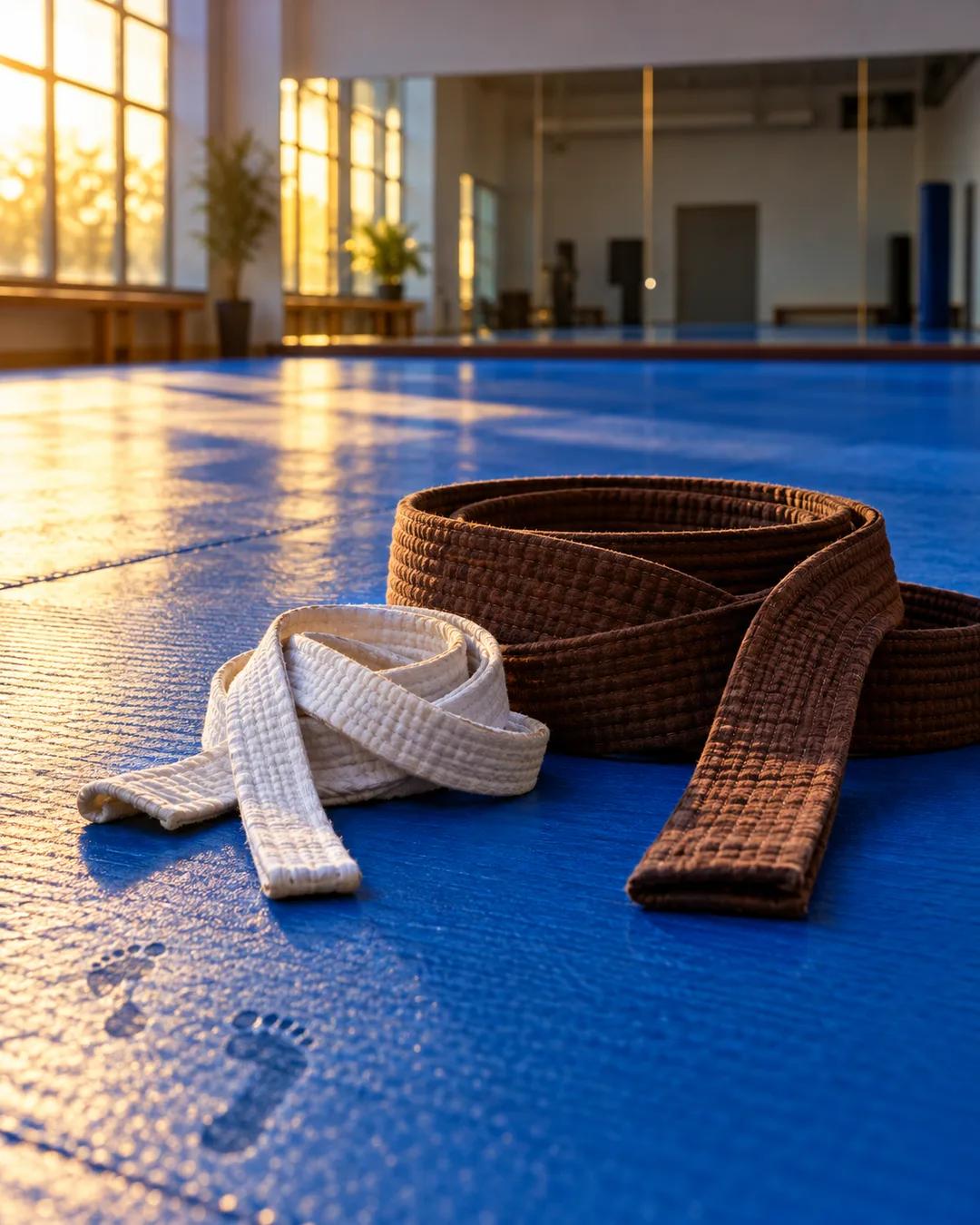
Kobe, four, versus a brown belt
Matched Against a Brown Belt
The karate outfit had arranged a tournament, and someone must have spotted his athletic talent, because he was matched against a brown belt, far above him on the ladder. He cried that the other boy was going to kill him and that he was done. His mother told him to get out on the mats and confront the kid, and he walked out.
He took a beating, no mistake about it, since the other boy knew what he was doing. After a while, though, he started landing some hits of his own, and by the end he realized he was still there and had done okay.
What He Understood
On the ride home, at four years old, he understood what had happened. He had been filled with fear because his imagination had counted up every terrible thing that could happen and blown each one up, and out on the mat none of it was real. From then on, he was never afraid of a challenge.
Something could still be difficult and worth some concern. What changed was awareness: he could let his imagination run as far as it would, or he could remember the mats and ask whether the fear was as big as he was cranking it up to be.
Why does imagining a threat feel worse?
Researchers at University College London reported in Nature Communications in 2016 that uncertainty drives stress. Volunteers in a computer game could receive a mild electric shock, and the researchers measured their stress responses. Stress levels peaked when the odds of a shock were even, higher than when a shock was likely or unlikely.
How do karate belt colors work?
Judo's founder Jigoro Kano introduced ranked belts in the 1880s, and the Okinawan karate teacher Gichin Funakoshi borrowed the idea in the 1920s. Colors between white and black were added later, and they vary by school. Brown usually sits just below black.
Why does facing a fear shrink it?
Psychologists call the method exposure. Joseph Wolpe developed systematic desensitization in the 1950s, in which people gradually face what they fear while staying relaxed. Facing the feared situation lets the brain learn that the predicted harm does not arrive, a process researchers call extinction learning. Exposure remains a core method in treating phobias and anxiety disorders.
More from Joys of Compounding