Korva is a scroll of the internet’s best ideas.
Langley quit the day they flew
Two very different teams
Langley held a seat at Harvard, worked at the Smithsonian, and knew the big minds of his day. He hired the best minds money could find, and the market conditions for flight were fantastic. Orville and Wilbur Wright, a few hundred miles away in Dayton, Ohio, paid for their dream with the proceeds from that bicycle shop. Nobody on their team had a college education, not even the two brothers, and The New York Times followed them nowhere.
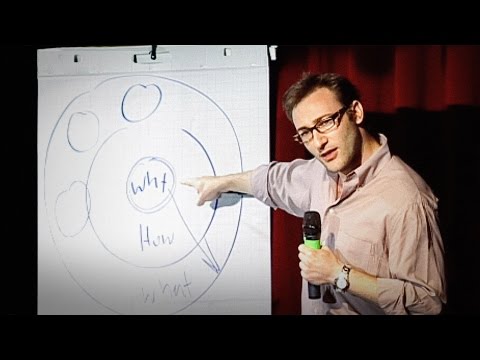
Orville and Wilbur believed that a working flying machine would change the course of the world. Langley wanted to be rich and famous. The people around the Wrights worked with blood and sweat and tears, while the people around Langley worked for the paycheck. Every time the Wrights went out, they took five sets of parts, because that was how many times they would crash before supper.
The day they flew
On December 17th, 1903, the Wright brothers took flight, and no one was there to experience it. The world found out a few days later. The day they flew, Langley quit. He could have called it an amazing discovery and promised to improve on their technology. He had not been first, and he had not gotten rich or famous, so he stopped.
How did the Wrights test wing shapes?
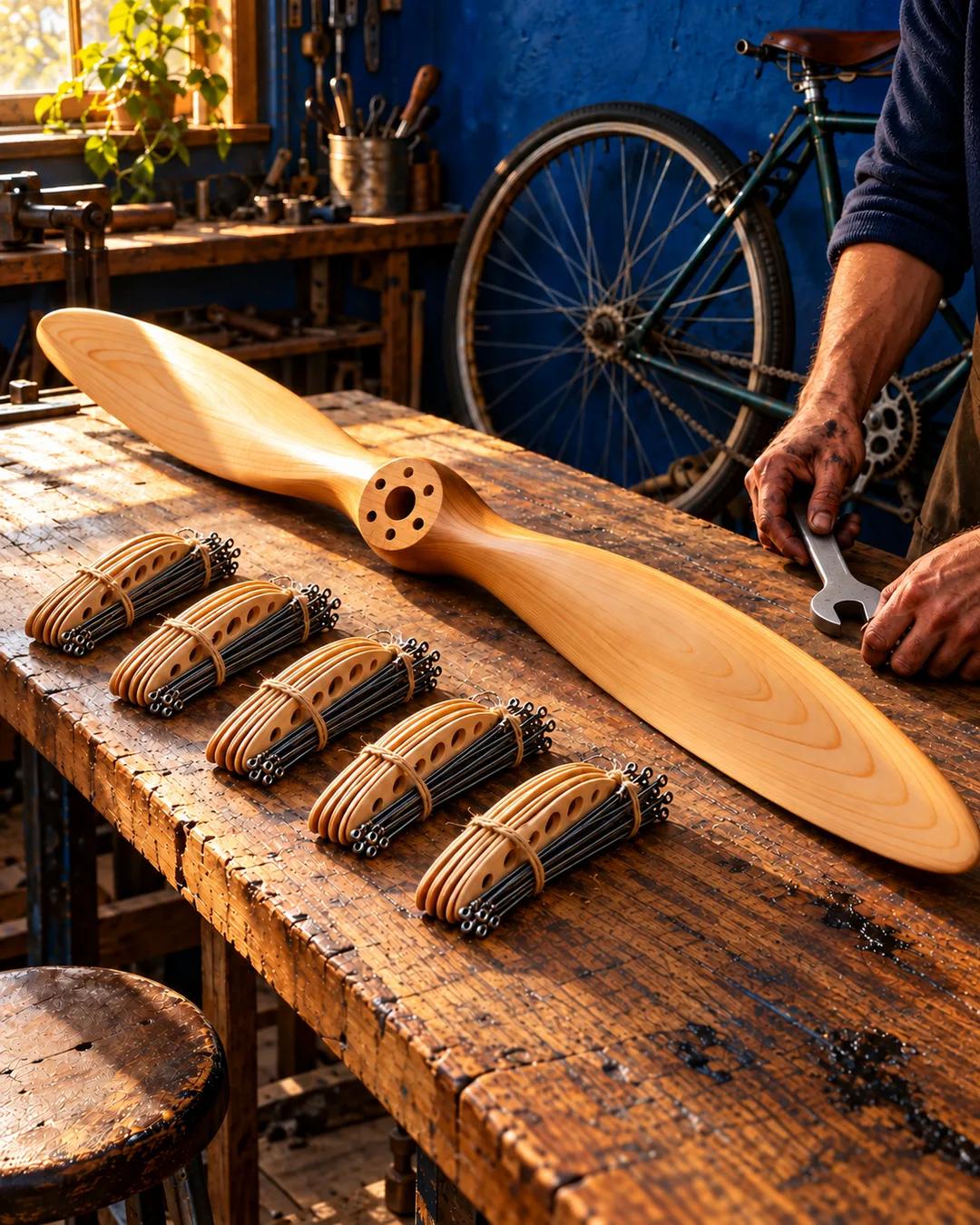
In 1901 the brothers built a small wind tunnel in their Dayton shop to test wing shapes. They tested hundreds of miniature wings and found that published air-pressure tables they had relied on were off. Their own data guided the wing design of the 1903 Flyer. The tunnel was a wooden box with a fan driven by a belt from a shop engine.
Why did they fly at Kitty Hawk?
The Wrights wrote to the U.S. Weather Bureau asking for a place with steady winds and open ground. Kitty Hawk, on North Carolina's Outer Banks, offered strong, regular breezes and soft sand for landings. It was also remote, which kept crowds and reporters away. Their first flight there on December 17, 1903 lasted twelve seconds.
How did the Wright Flyer steer?
The Wrights controlled roll by twisting the wingtips, a method they called wing warping. Wilbur reportedly got the idea from twisting a bicycle inner-tube box and from watching how birds tilt their wings. The pilot lay on the lower wing and shifted a hip cradle that pulled cables to warp the wings. Many rivals had focused on power, while the Wrights treated control as the central problem.
More from TED