Korva is a scroll of the internet’s best ideas.

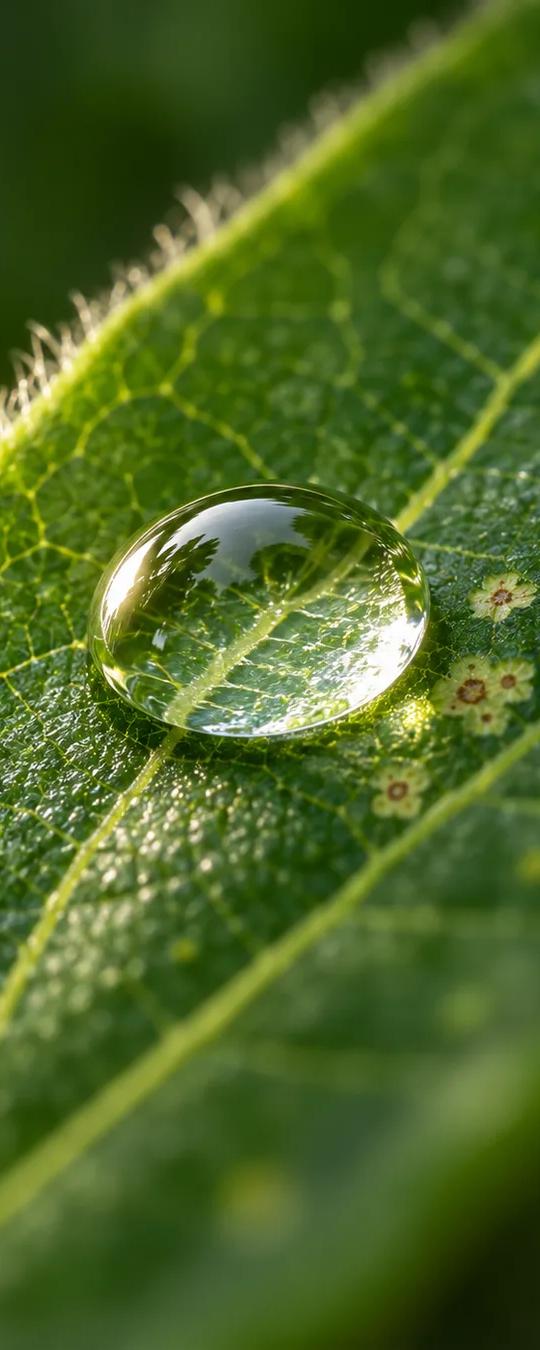
The 1% figure
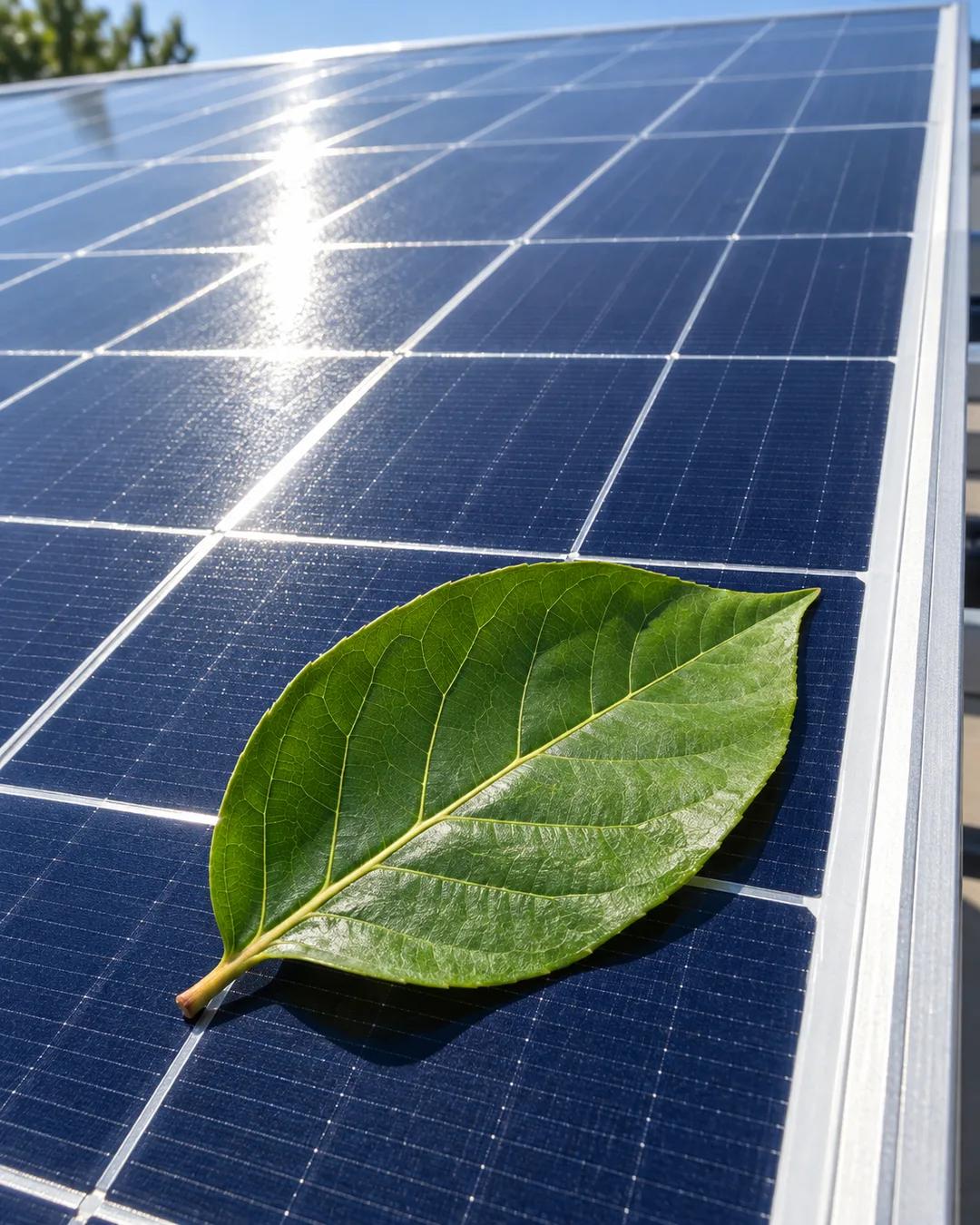
Stack leaves on top of each other and the figure climbs to somewhere near 5% at most. Nobody would buy a solar panel that caught 5% of the light on a roof, and that is the best plants manage.
The 99% problem
The other 99% is a problem of its own. Light a leaf does not use ends up absorbed by other plant tissue or reflected back from somewhere else, and it heats things up enough to scorch leaves. The short wavelengths, like ultraviolet, are the most dangerous, because they can shake molecules to bits or heat them until they cook.
Plants in bright places
Plants that grow where light is extremely intense handle the excess with silky hairs and shiny, silvery surfaces. Garden plants with leaves like that descend from wild species of alpine areas and, in a few cases, deserts. The hairs and the silveriness get rid of the extra energy before it can damage the machinery of the leaf.
Houseplants have the opposite history. Most of them come from the understory of forests, where very little light arrives in the first place.
Why can't plants use more of the light?
Photosynthesis hits limits long before a leaf runs out of sunlight. Only certain wavelengths drive it, the chemistry that fixes carbon runs at a limited pace, and a leaf often closes its pores to save water, which starves it of carbon dioxide. A 2008 analysis by Xin-Guang Zhu, Stephen Long, and Donald Ort put the theoretical ceiling for plants like wheat and rice at about 4.6% of incoming sunlight energy. The same analysis gave plants like maize and sugarcane a higher ceiling of about 6%.
How do leaves dump energy they can't use?
Leaves have a safety valve called non-photochemical quenching. When more light arrives than the chlorophyll can use, pigments in the xanthophyll cycle help turn the extra energy into heat that is released harmlessly. Without that valve, the excess forms reactive oxygen molecules that damage the photosynthetic machinery. The valve switches on within seconds and relaxes over minutes when a cloud passes.
How do silvery hairs protect a leaf?
Hairs and pale coatings reflect and scatter part of the incoming light, so less of it is absorbed as heat. The hairs also hold a layer of still air against the leaf surface, which slows water loss. Alpine plants need this protection because thin mountain air filters out less ultraviolet light than air at sea level. Edelweiss, a classic alpine plant, has woolly white hairs that screen out ultraviolet light.
More from The joe gardener Show - Organic Gardening - Vegetable Gardening - Expert Garden Advice From Joe Lamp'l