Korva is a scroll of the internet’s best ideas.
Legends grow by recruiting witnesses

Six versions of one crash
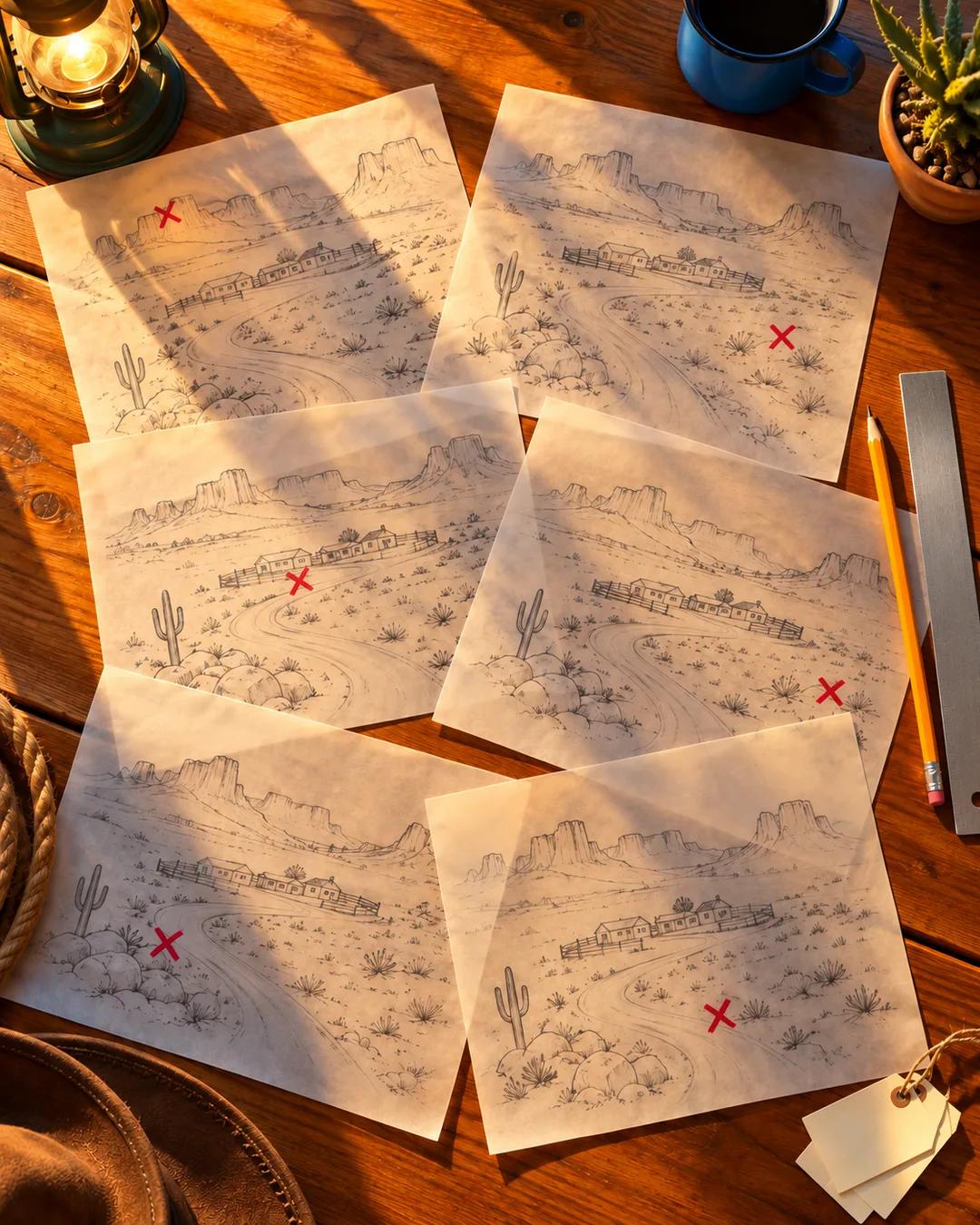
The documented 1947 event was foil, sticks, durable paper, and rubber strips on a ranch near Corona, and no bodies. Between 1980 and 1994, six versions of the story moved the crash site, changed how the craft came down, and altered the bodies. One version had a lightning strike over Alamogordo, another an explosion northwest of Roswell, and another a ship that struck a cliff 35 miles north of town. The count of bodies went from none to four, three, and sixteen in the earlier Aztec hoax, and Crash at Corona added two ships, eight aliens, and two survivors.
How folk narratives travel
Anthropologist Charles Ziegler describes this as how traditional folk narratives travel: a core story formed from various witness accounts, then shaped and altered by storytellers in the UFO community. More witnesses were sought to expand the core narrative, while accounts that did not match the prevailing beliefs were discredited or excluded by gatekeepers.
What the witness numbers show
The numbers show the effect. Some 300 witnesses came forward, yet what happened at Roswell became less clear. Of the 300-plus people reportedly interviewed for UFO Crash at Roswell in 1991, only 23 could reasonably be thought to have seen physical evidence, and only seven asserted anything suggestive of otherworldly origins for the debris.
How do folk stories change as they travel?
Folklorists call such stories contemporary legends, and study how details shift as each teller adds, drops, or reorders them. Jan Harold Brunvand popularized the field with his 1981 book The Vanishing Hitchhiker. A legend usually survives because a version feels plausible and carries a vivid detail, not because anyone checked it. Over time, the versions that spread are the ones that hold attention.
Why does adding witnesses blur a story?
Each new witness brings details of their own, and some of those conflict with earlier accounts. Memory research by Elizabeth Loftus found that information heard after an event can be absorbed into a person's recollection of it. Books, television, and conversations with other believers all supply that later information. As accounts accumulate, shared details can reflect what was told rather than what was seen.
How did Roswell stay quiet for thirty years?
After the Army's 1947 weather balloon explanation, the story largely faded from public attention. In 1978, physicist Stanton Friedman interviewed Jesse Marcel, an intelligence officer who had handled the debris. That interview led to the 1980 book The Roswell Incident. Interest in the case then grew through books, magazines, and television specials.
More from en.wikipedia.org