Korva is a scroll of the internet’s best ideas.
Limoges town hall gutted by fire
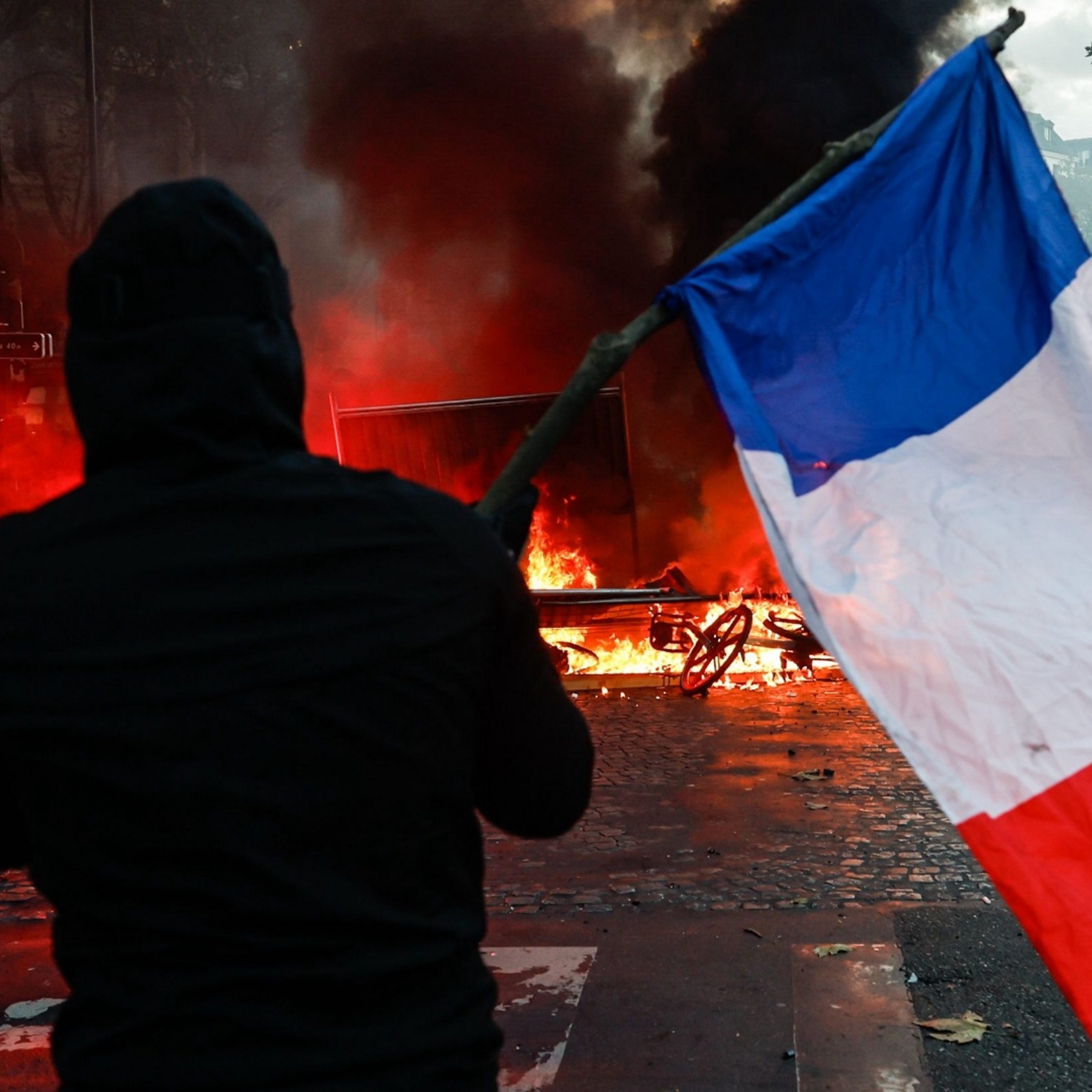
Saturday's clashes
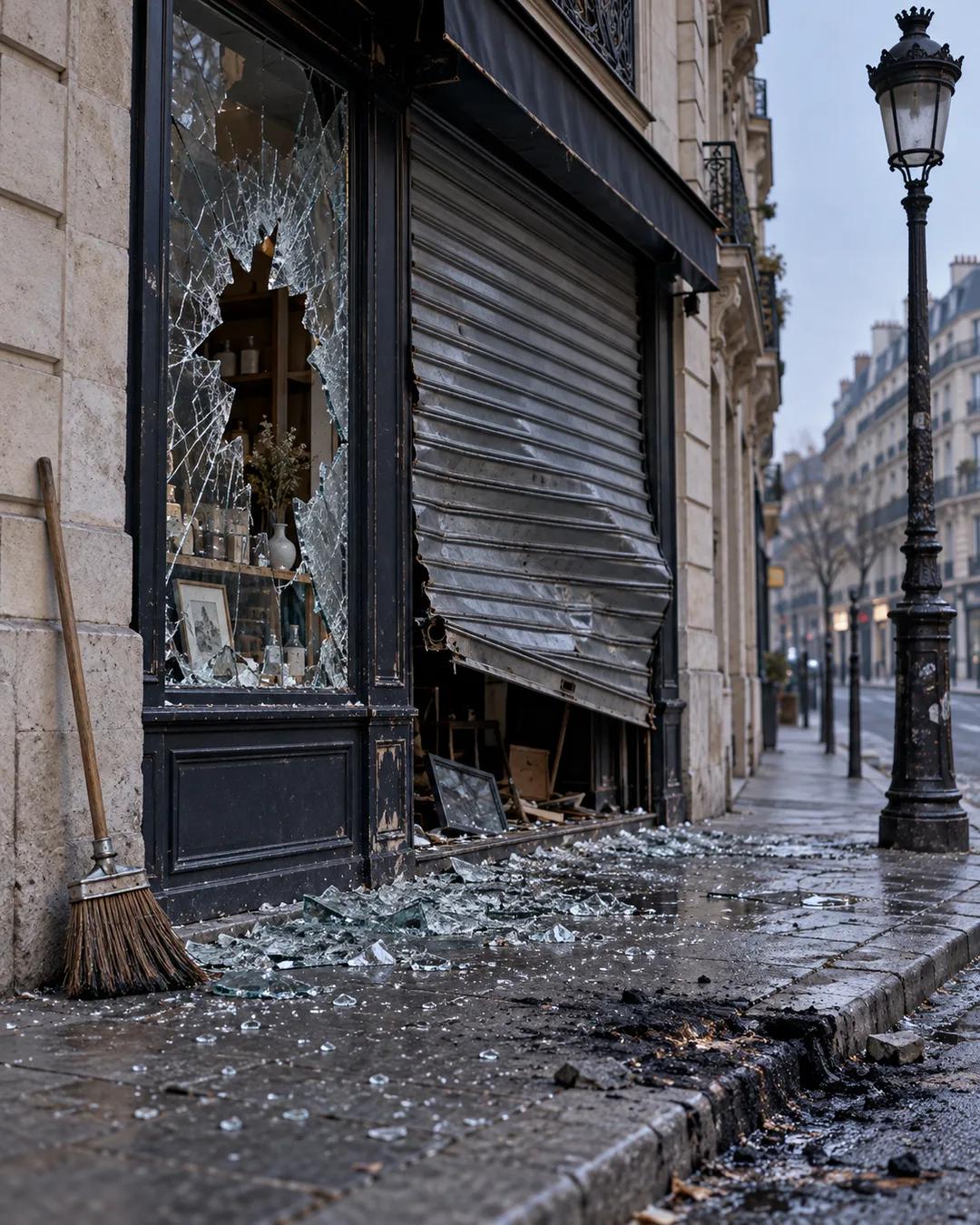
Clashes broke out between police and protesters across the country. Demonstrations wound down in the late afternoon after police used water cannons and tear gas. When the police pulled back, burning barricades, fires, and mass looting followed in districts of Paris, and protesters tried to smash glass and knock down shutters. That night, armed police were still chasing protesters along the Champs-Élysées as they tried to vandalize the fronts of shops.
Arrests and injuries
In Saint-Étienne, a seventeen-year-old boy had a hand blown off by a crowd control grenade. The mayor of Paris said entire streets had been devastated. Prime Minister Sébastien Lecornu said 1,200 people had been arrested and 150 police officers injured. President Macron said that people who carry out vandalism and attack businesses will be prosecuted and punished.
Weeks of protest
The unrest follows weeks of student protests that have widened to include other groups, some of them appearing intent on violence. Hundreds of thousands of people demonstrated peacefully across France that day. Protesters have raised public spending, schools, and the cost of living, and ministers said a minority was looking to capitalize on the disorder. Protests over the cost of living also took place in Italy, Spain, and Albania.
How did France's 2005 riots unfold?
The 2005 unrest began in late October after two teenagers died in a power substation in Clichy-sous-Bois, near Paris. It spread across the country over three weeks, and the government declared a state of emergency on November 8 under a 1955 law written during the Algerian War. French authorities reported roughly 9,000 vehicles burned and about 2,900 people arrested. Parliament extended the state of emergency to three months, and it ended in January 2006.
How does tear gas affect the body?
Tear gas agents such as CS are dispersed as fine particles that bind to pain-sensing nerve receptors, notably one called TRPA1, in the eyes, nose, and lungs. This triggers tearing, burning, coughing, and temporary difficulty seeing. Symptoms usually fade within about 30 minutes once a person reaches fresh air. CS was first synthesized in 1928 by Ben Corson and Roger Stoughton, and its name comes from their surnames' initials.
More from Global News Podcast