Korva is a scroll of the internet’s best ideas.
Lincoln was once called a baboon

The microfilm reading
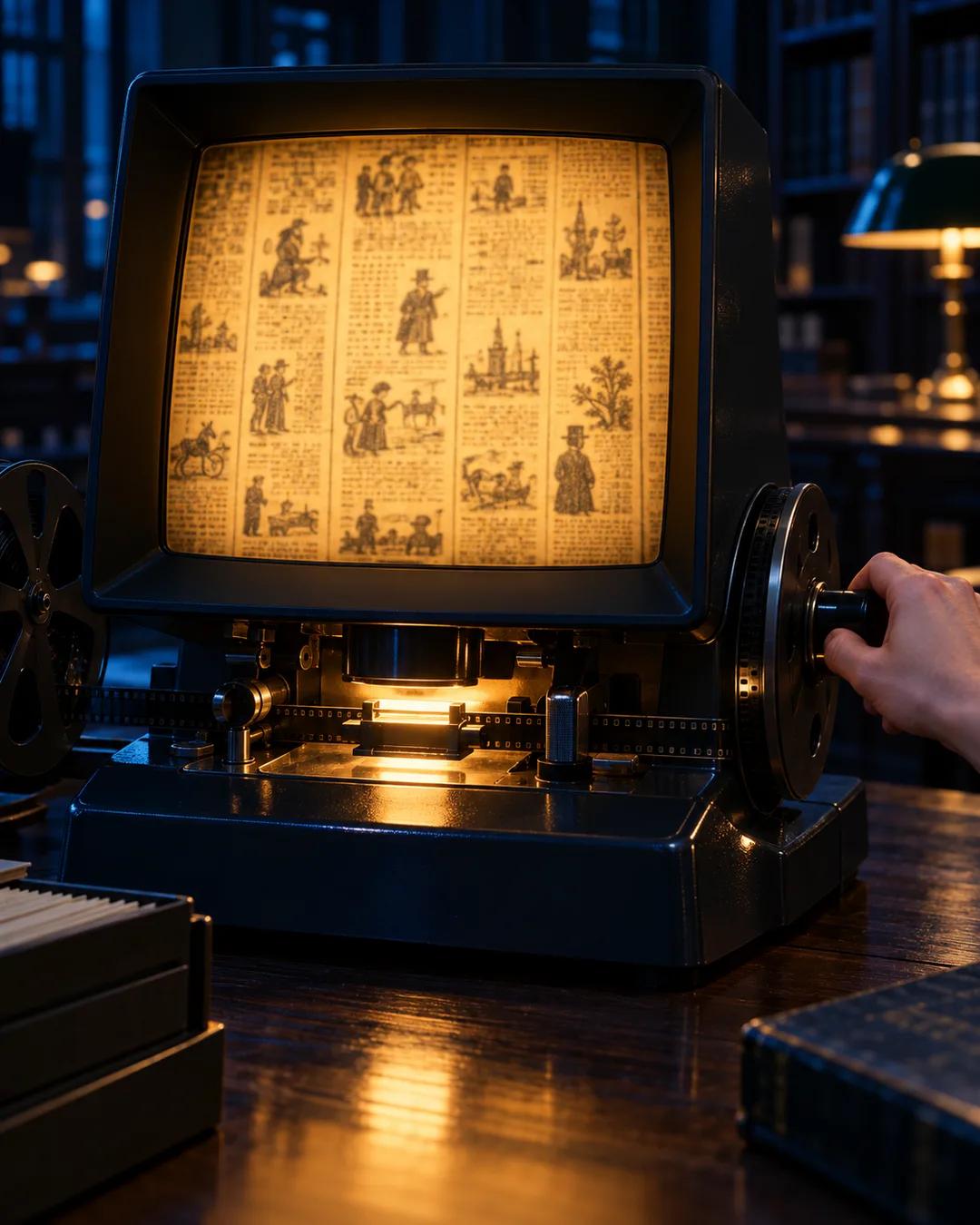
Dylan went to the New York City Public Library and read newspaper articles on microfilm from about 1855 to about 1865. The issues interested him less than the language and rhetoric of the time, and he wanted to see what daily life was like. He did everything fast, even singing his songs, and he had decided he needed to slow his mind down if he was going to become a composer with anything to say.
Lincoln's reputation
In those pages, Lincoln turned up in the late 1850s as the subject of caricatures, mocked as a baboon or a giraffe. Nobody took him seriously, and it was impossible to imagine him becoming the father figure he is today. The papers also showed people united by geography and religious ideals turning into bitter enemies.
The era did not feel like another world to Dylan. It was the same one he lived in, with more urgency, and the full complexity of human nature was on display. The age he lived in did not resemble it, and yet in some mysterious way it did.
Why was Lincoln mocked so harshly?
Lincoln was about six feet four and thin, with a rough-hewn face and a rural Illinois background, all easy targets for cartoonists. Opponents in the 1858 Senate race and the 1860 campaign leaned on his looks and his humble origins to paint him as unfit for office. Newspapers sympathetic to his rivals printed cartoons and insults regularly. His supporters turned the rural image into a campaign asset by calling him the Rail Splitter.
How did the country split so bitterly?
The Kansas-Nebraska Act of 1854 reopened fights over whether slavery would spread into new territories. Violence in Kansas, the Supreme Court's 1857 Dred Scott decision, and John Brown's 1859 raid on Harpers Ferry hardened feelings further. The Lincoln-Douglas debates of 1858 brought the argument to crowds across Illinois. After Lincoln won the 1860 election, South Carolina voted to secede that December.
Why were old newspapers put on microfilm?
Newspapers are printed on cheap paper that yellows and crumbles, and bound volumes take up huge amounts of shelf space. Libraries began photographing pages onto film in the 1930s to preserve them. Film takes up a fraction of the room of the original volumes. Readers scroll through it on machines that project the images onto a screen.
More from Founders