Korva is a scroll of the internet’s best ideas.
Looking like a Democrat paid off

Looking like a Democrat
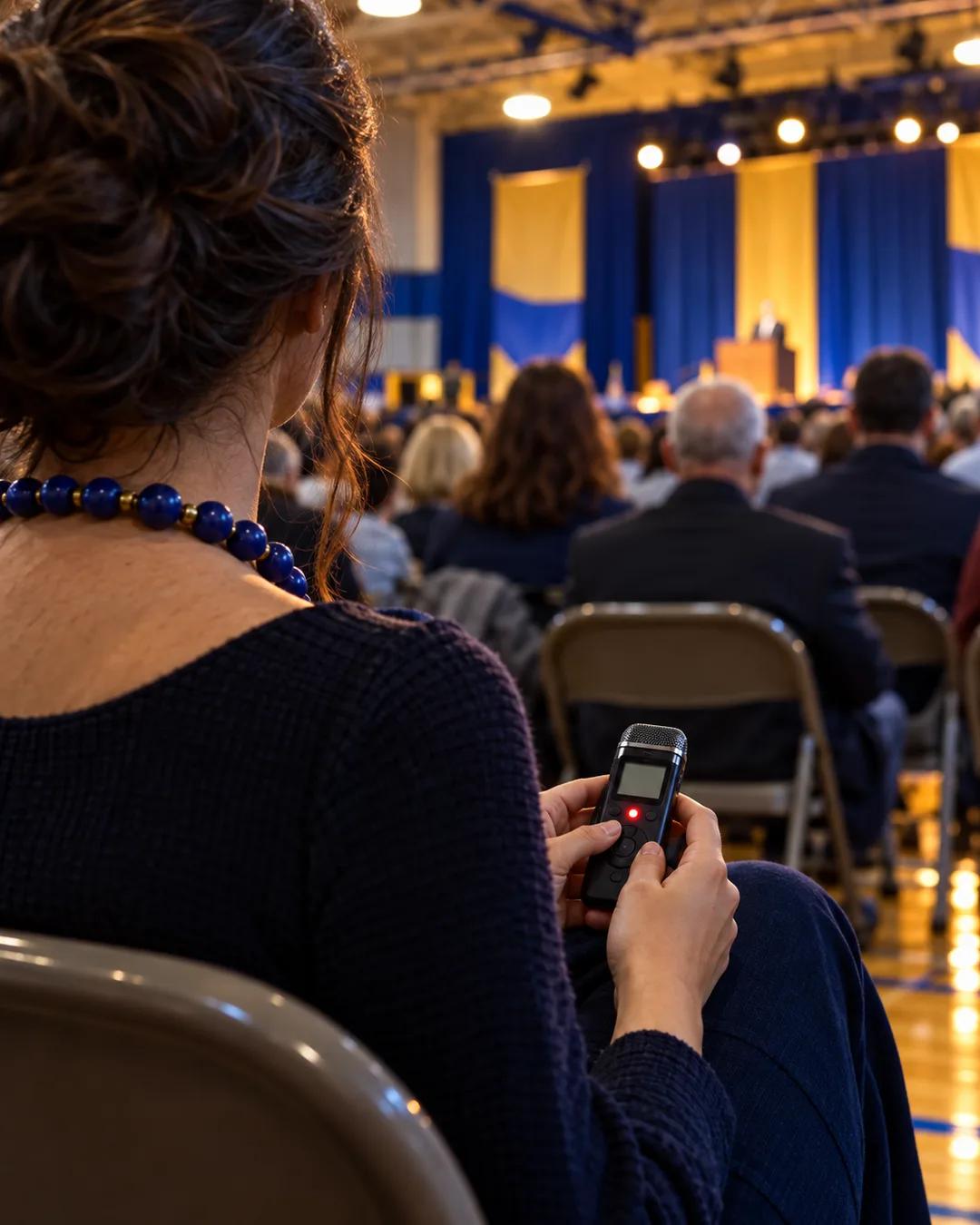
Sarah Isgur showed up for John Cornyn's 2002 race and felt like she was supposed to be on the other team. The Republican look at the time was Ann Taylor and pearls. She wore an antique-style anthropology necklace, a big one.
Recording the rallies
So the campaign put her where that look would blend in. She sat at the opposing candidate's rallies and recorded what he said, which is how she got started in opposition research.
35 statehouse races
The work grew. Years later in Austin she did opposition research on 35 statehouse races, built the packets for each campaign, and approved the scripts of the ads. She also traded letters with the media stations that declined to run those ads because the opposing candidate thought they were defamatory, and having all her receipts was really fun.
How does opposition research actually work?
Researchers dig through public records: court filings, property and tax records, voting records, old speeches, news archives, and financial disclosures. They assemble what they find into a file for the campaign, with each item backed by a source document. Campaigns and parties have kept research staff for decades, and the national party committees run their own research departments. The finished files go to reporters, to ad makers, and to the candidate preparing for debates.
Why do campaigns send people to film rallies?
Campaigns assign trackers to film every public appearance by the opposing candidate. A recorded misstatement exists in full and can be circulated within hours instead of being disputed from memory. The practice grew as handheld video cameras and then phones became cheap and common. Many campaigns now keep trackers at nearly every event.
Why can stations refuse some political ads?
Federal law bars a broadcast station from censoring the content of ads run by legally qualified candidates, and in a 1959 case, Farmers Union v. WDAY, the Supreme Court held that stations are immune from libel claims over those ads. Stations have no such protection for ads paid for by parties and outside groups. Because they could be sued over those ads, stations can reject ones they consider defamatory. Stations often ask the sponsor for documentation backing up the claims before they air.
More from Original Jurisdiction