Korva is a scroll of the internet’s best ideas.
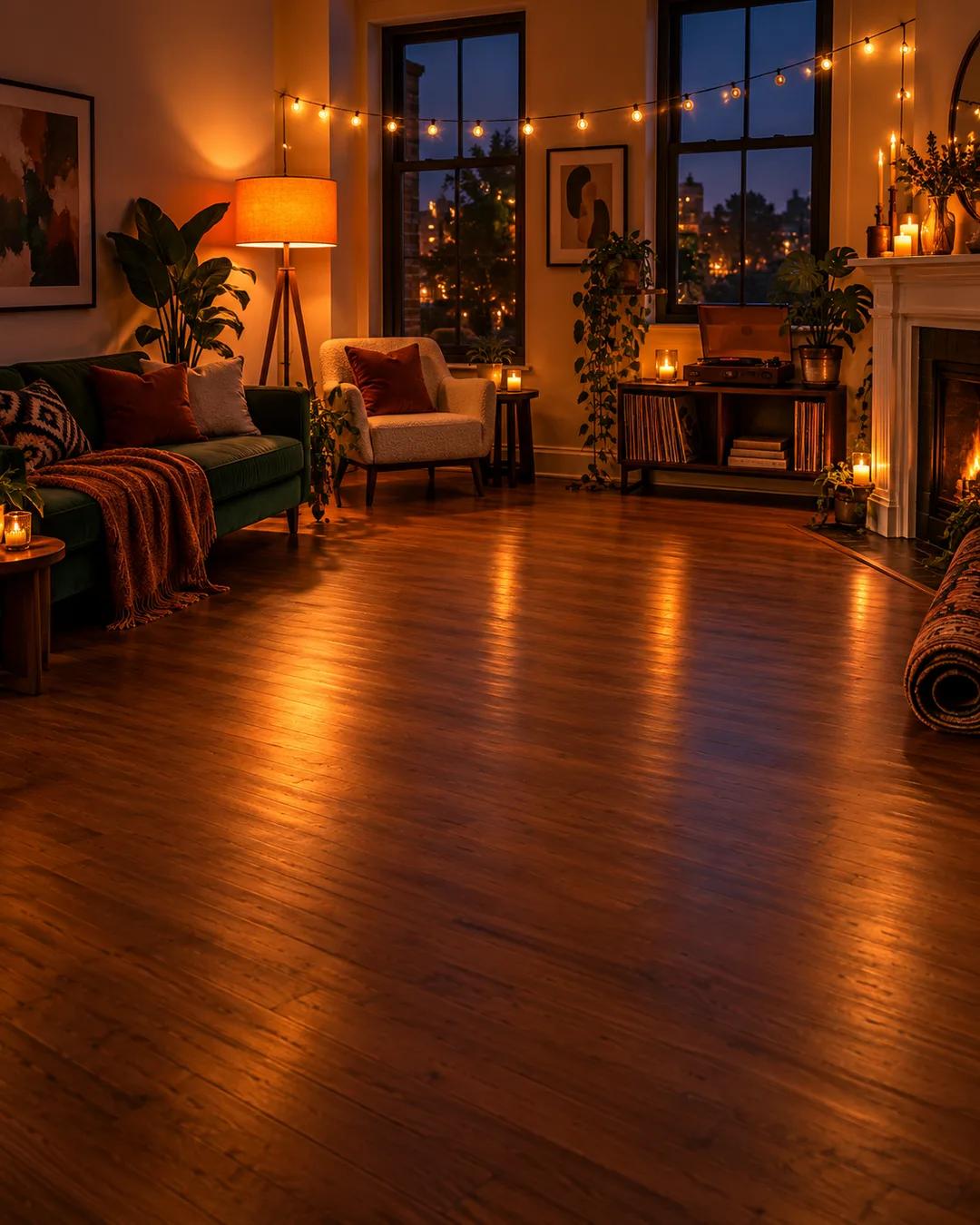
Low lights and a little disorder
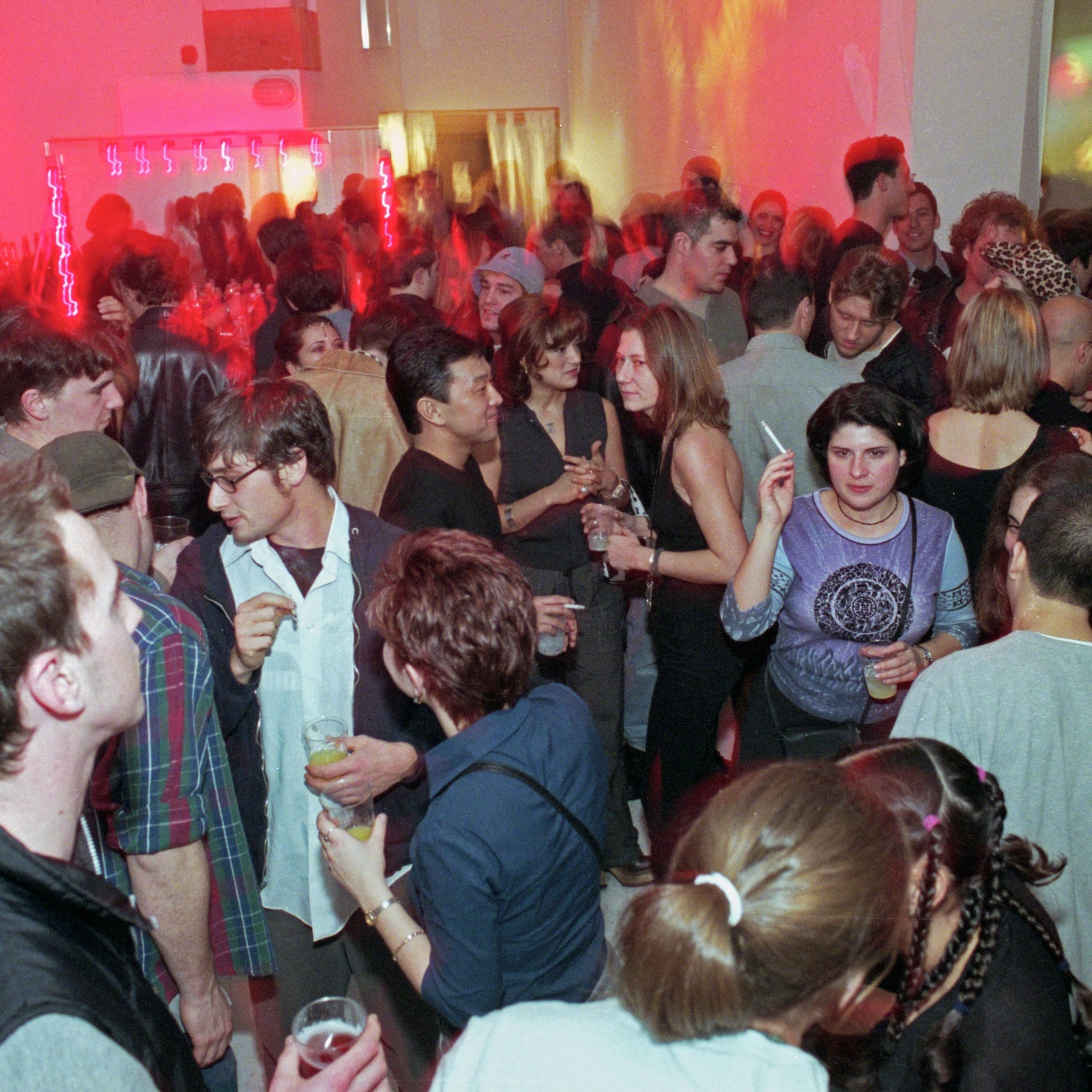
The aim is for guests to feel they can behave differently and do something a little wild. There is something satisfying about seeing the domestic world upturned: the kitchen becomes a gloomy cocktail bar, and the living room becomes a dance floor.
At the heart of party culture is the wish to shed daily life. A slight disorder is what makes people feel alive.
Why does dim light change how people act?
In a 2010 study led by Chen-Bo Zhong, participants in a dimly lit room cheated more on a task and shared less money than participants in a well-lit one. Dim light gave them a feeling of anonymity, even though nothing about their actual visibility had changed. Another study, by Anna Steidle and Lioba Werth in 2013, found that dim light increased creative problem solving. The researchers linked this to a feeling of freedom from constraints.
Why does low light flatter faces?
Low, soft light spreads gently across a face and fills in the shadows that sharp overhead light carves under the eyes and nose. It also softens the visible texture of skin. Warm bulbs and candle flames add a reddish-yellow tone that resembles a healthy flush. Candle flames glow at roughly 1,900 kelvin, warmer than a typical incandescent bulb at about 2,700 kelvin.
Why do parties feel like breaking rules?
Russian literary scholar Mikhail Bakhtin argued in Rabelais and His World that medieval carnival let people suspend rank and rules for a short time, a state he called the carnivalesque. Anthropologist Victor Turner described such moments as liminal, from the Latin word for threshold. Turner took the term from Arnold van Gennep, who studied rites of passage.
More from Today, Explained