Korva is a scroll of the internet’s best ideas.
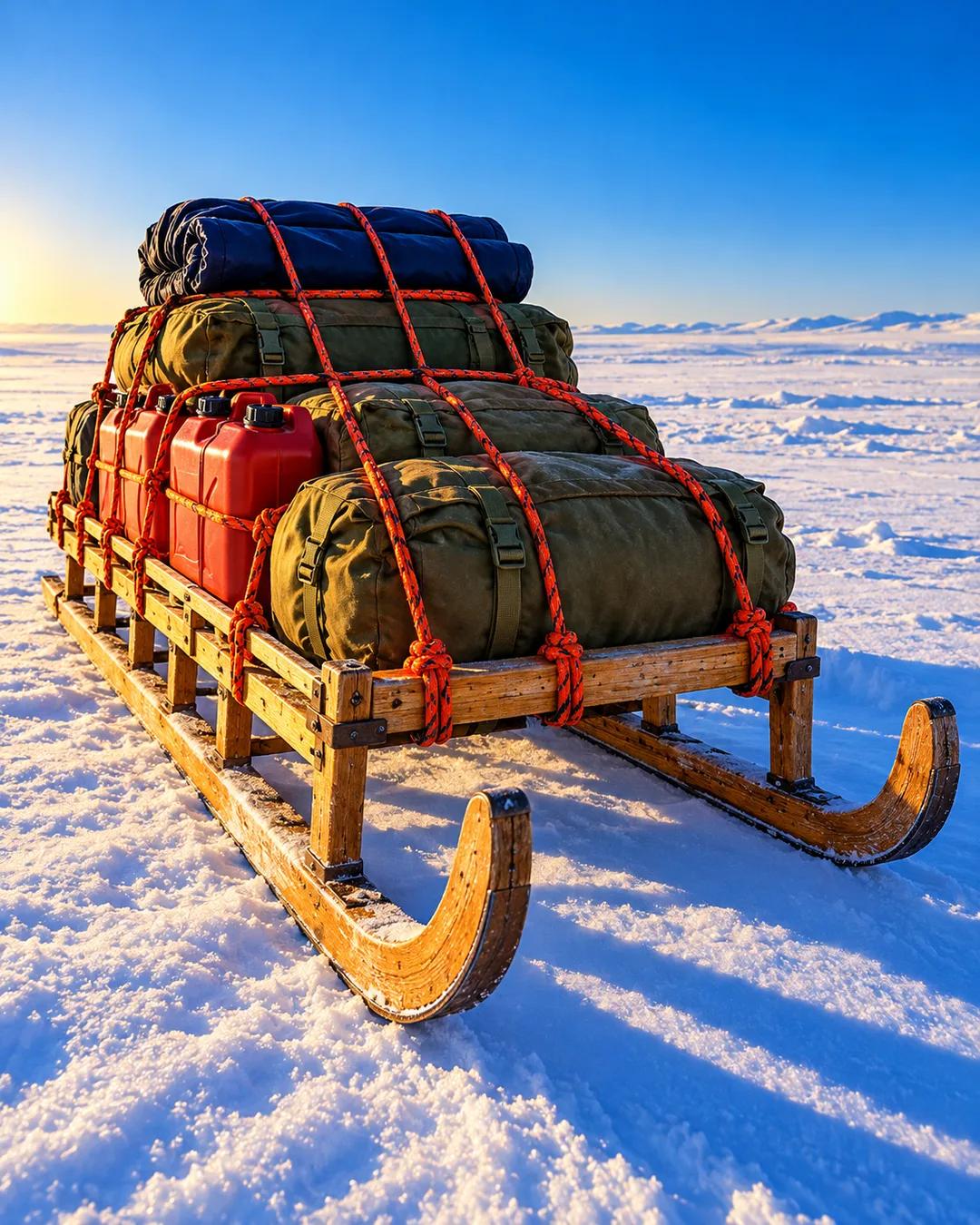
Luck is exploiting accidents

Napoleon on luck
Napoleon's own words fill a book called The Mind of Napoleon. In it, a run of great actions is always the product of planning and genius, and all great events hang by a single thread. The clever man takes advantage of everything and neglects nothing.
The first explorer to reach the South Pole put it the same way afterward: victory awaits him who has everything in order, and people call that luck.
Definitive optimism
Definitive optimism follows from this. To a definitive optimist, the future will be better than the present if he plans and works to make it better. A startup is the largest endeavor over which a person can have definitive mastery, and it begins by rejecting the unjust tyranny of chance.
How did Amundsen win the race to the pole?
Roald Amundsen reached the South Pole on December 14, 1911, using sled dogs and skis. His team laid supply depots along the route months earlier and marked them with flags. Robert Falcon Scott's party arrived more than a month later, hauling sledges by hand after their ponies failed. Amundsen's team returned home without losing a man.
How did Napoleon plan for chance?
At Austerlitz in December 1805, Napoleon deliberately thinned his right flank so the Allied armies would see an opening and attack it. Once their troops left the high ground at the Pratzen Heights, his forces struck the weakened center. The battle ended with the Allies routed. Austria signed the Treaty of Pressburg weeks later.
What makes some people seem lucky?
Psychologist Richard Wiseman studied hundreds of people who called themselves lucky or unlucky and reported the results in 2003. In one experiment, he told participants to count the photographs in a newspaper. A large message on page two offered a cash prize for noticing it. The people who called themselves unlucky mostly missed the message, while the lucky ones mostly saw it.
More from Founders