Korva is a scroll of the internet’s best ideas.
Lutnick stalls the Mexico tariff deal

Where tariffs stand
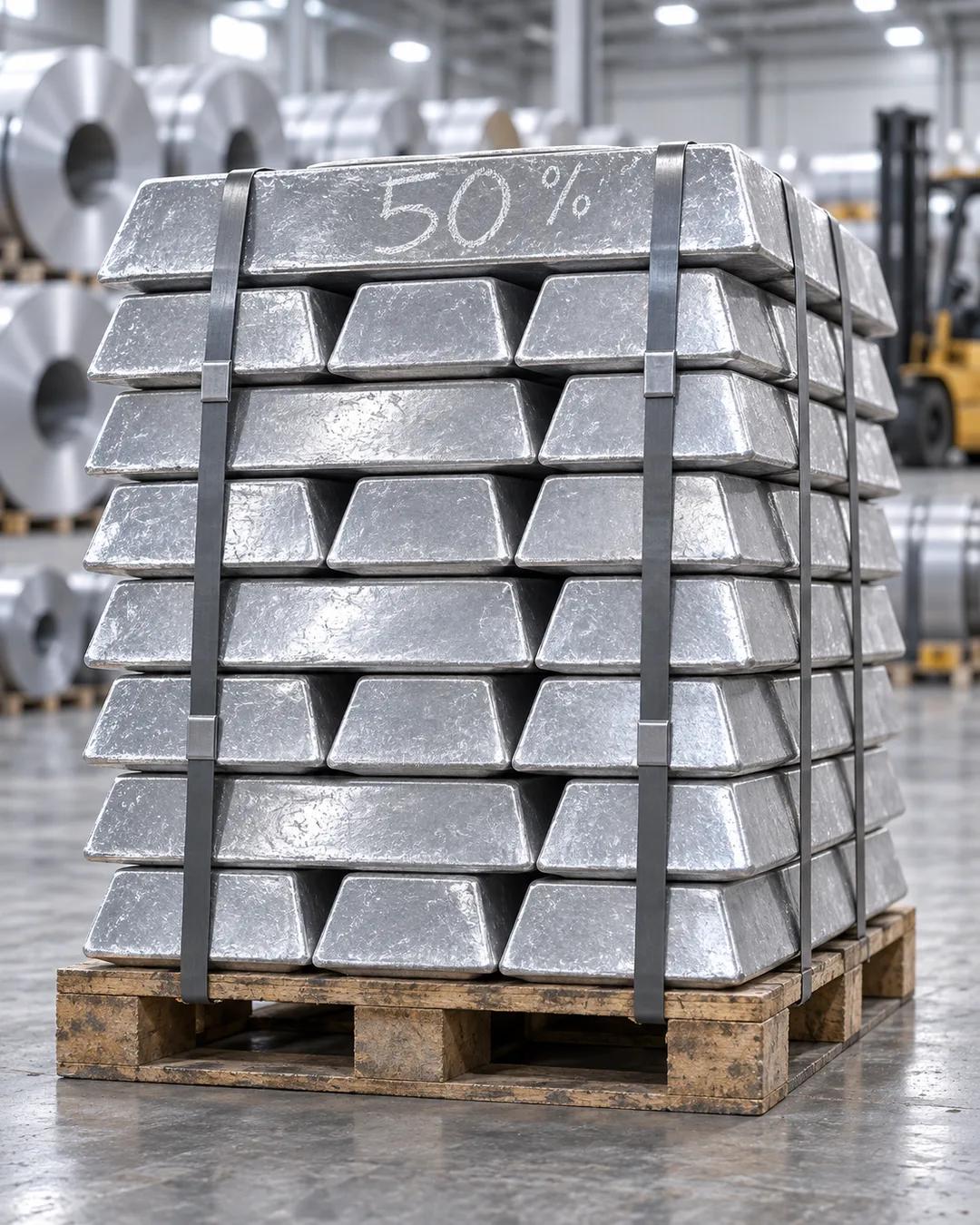
U.S. tariffs on steel and aluminum sit at 50%, and tariffs on Mexican automobiles are at 25%. Mexico is hoping to bring the car tariff down to the 15% levy that Europe and some East Asian countries enjoy.
The aluminum objection
Lutnick and allies in the domestic aluminum sector object to lowering tariffs on derivative products, which are finished goods made from steel or aluminum. Those products account for the vast majority of jobs in the U.S. aluminum sector, and the group has drawn a hard line against taking those tariffs below 50%.
Outlook for a deal
Sources describe prospects for an agreement as not very good before the midterm elections, and possibly before the end of the year. The narrow deal was meant to pave the way for larger talks on renewing the U.S.-Mexico-Canada Agreement.
Why do tariffs cover finished metal goods?
The United States first placed tariffs on steel and aluminum in 2018 under Section 232 of the Trade Expansion Act of 1962, which allows trade restrictions on national security grounds. The lists were later widened to cover goods made from the metals. A tariff on raw metal alone can be sidestepped by importing the metal already shaped into finished goods. That widening is the origin of the category called derivative products.
How does USMCA renewal work?
The USMCA took effect on July 1, 2020, with a term of 16 years. At a joint review held six years in, each country states whether it wants to extend the agreement. If all three confirm, the term is extended for another 16 years from that point. If any of them does not, the countries review the agreement every year until it expires in 2036.
How do rules of origin shape car trade?
Rules of origin decide whether a vehicle qualifies for tariff-free treatment under a trade agreement. Under the USMCA, a car needs 75 percent of its value from North American content, up from 62.5 percent under NAFTA. The agreement also requires that a share of the car's content be made by workers earning at least 16 dollars an hour. Car parts often cross North American borders several times before final assembly.