Korva is a scroll of the internet’s best ideas.
Mad enough to bite himself

The ride in
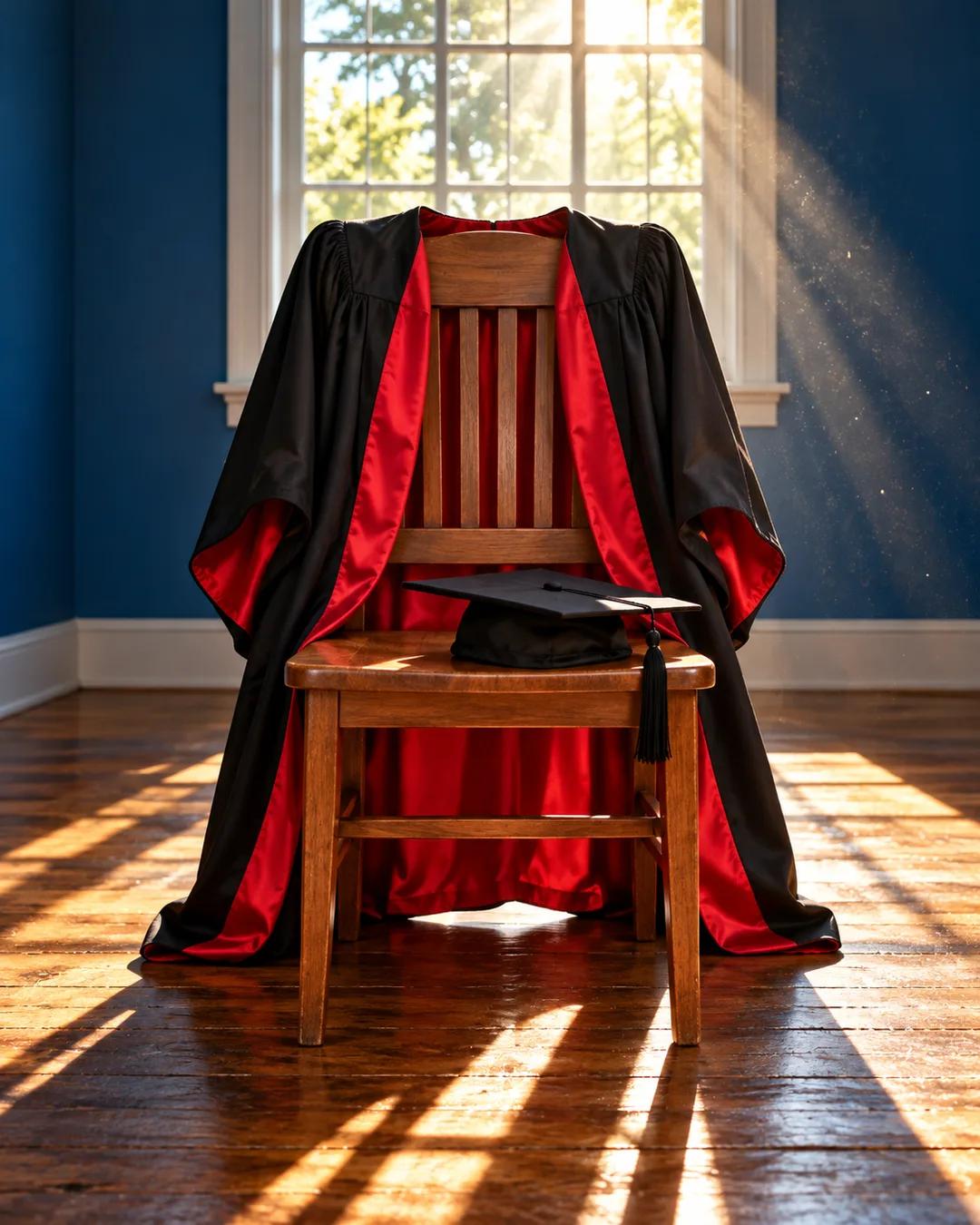
He had talked David Crosby into coming along. Crosby was a colorful, unpredictable character who wore a cape, got along with few people, and had a beautiful voice. They pulled off Route 80 on a hot, cloudless day, and officials led Dylan into a crowded room, put him in a robe, and set him in front of a well-dressed crowd.
The speech
When his turn came, the speaker described a man known to millions who shuns publicity and organizations, preferring the solidity of his family and isolation from the world. Dylan had been resisting the role of voice of a generation for years and wanted no labels and no responsibility for anyone else. Inside, he thought: oh, sweet Jesus. It hit like a jolt, and he shuddered and trembled while his face stayed blank.
There was that phrase again, and he felt tricked once more. The speaker could have mentioned a few things about his music, and he was so mad he wanted to bite himself. He whispered and mumbled his way through the ceremony, took the degree, and piled back into the Buick with Crosby to drive away.
How did Dylan become a generation's voice?
Songs like Blowin' in the Wind, released in 1963, were taken up by the civil rights and antiwar movements. Dylan performed at the 1963 March on Washington, which tied his name to the cause in public view. Peter, Paul and Mary's hit version of Blowin' in the Wind that year carried the song to a far bigger audience than his own records reached. Writers and critics soon began calling him a spokesman for young people, a label he rejected.
Why do universities hand out honorary degrees?
Honorary degrees let a university recognize people for achievement outside its normal programs. The practice goes back centuries in Britain, where universities awarded degrees as a mark of distinction without requiring coursework. In the United States, Harvard awarded one as early as 1692. Princeton gave Dylan an honorary doctorate of music in 1970.
More from Founders