Korva is a scroll of the internet’s best ideas.
Magic turns normal by minute three

Uber's first ride
The same thing happened with Uber itself. A first ride in New York City felt absolutely magical: push a button and a car shows up in five minutes. The next day, the reaction was where's my damn car, and a wait of six and a half minutes felt like an outrage.
Driverless cars
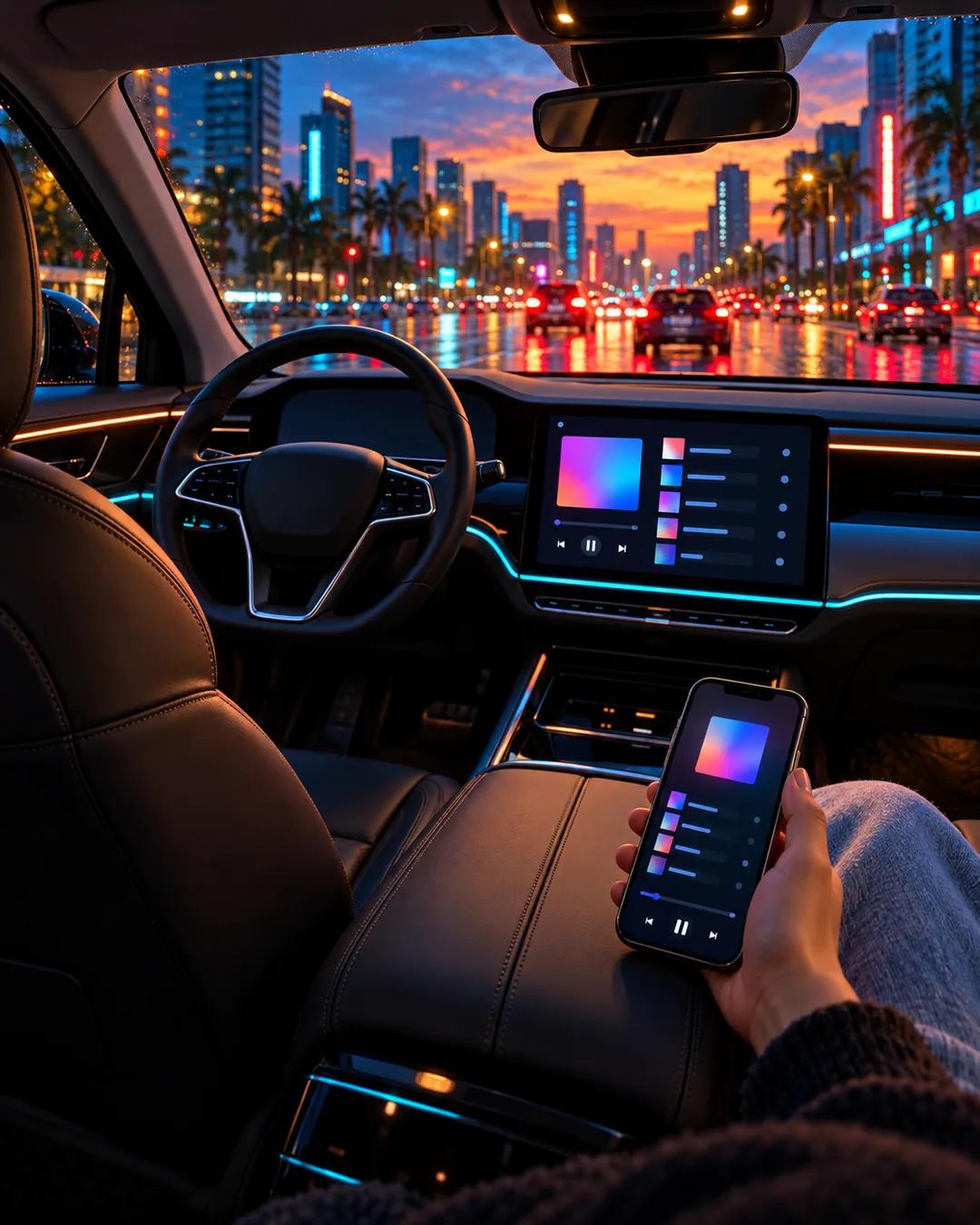
Driverless cars follow the same arc. The cars are nice, there is a sense of privacy and peace, and riders can play their own music. For the first two minutes, they are watching everything that is happening, and then they are just riding.
Normal in ten years
What feels magical now is expected to seem normal to everyone 10 years from now. Autonomous rides are expected to reach people faster than anyone thinks, and the interactions to normalize faster than that.
Why does wonder fade so fast?
Psychologists call it hedonic adaptation: people drift back to a baseline level of feeling once something new becomes familiar. Philip Brickman and Donald Campbell described the idea in 1971 as a hedonic treadmill. In a 1978 study led by Brickman, lottery winners were not significantly happier than a comparison group.
How did elevators lose their operators?
Early passenger elevators needed a trained operator to run the car by hand. Push-button automatic elevators spread through the 1920s and after, and many riders were uneasy about stepping into a car with nobody in charge. A 1945 strike by elevator operators in New York City is widely cited as pushing building owners toward automation. Makers added reassurances such as the emergency stop button, and automatic control became the standard for new installations in the following decades.
More from Invest Like the Best with Patrick O'Shaughnessy