Korva is a scroll of the internet’s best ideas.
Make data centers architecturally beautiful

Why towns push back
Companies need far more data centers and far more power to win the AI race, but most Americans dislike AI and big tech. Towns push back on data centers with a not-in-my-backyard mentality, worrying about higher power bills and used-up water. Golf courses use 100 times more water than data centers, and nobody protests a golf course.
Gross's proposal
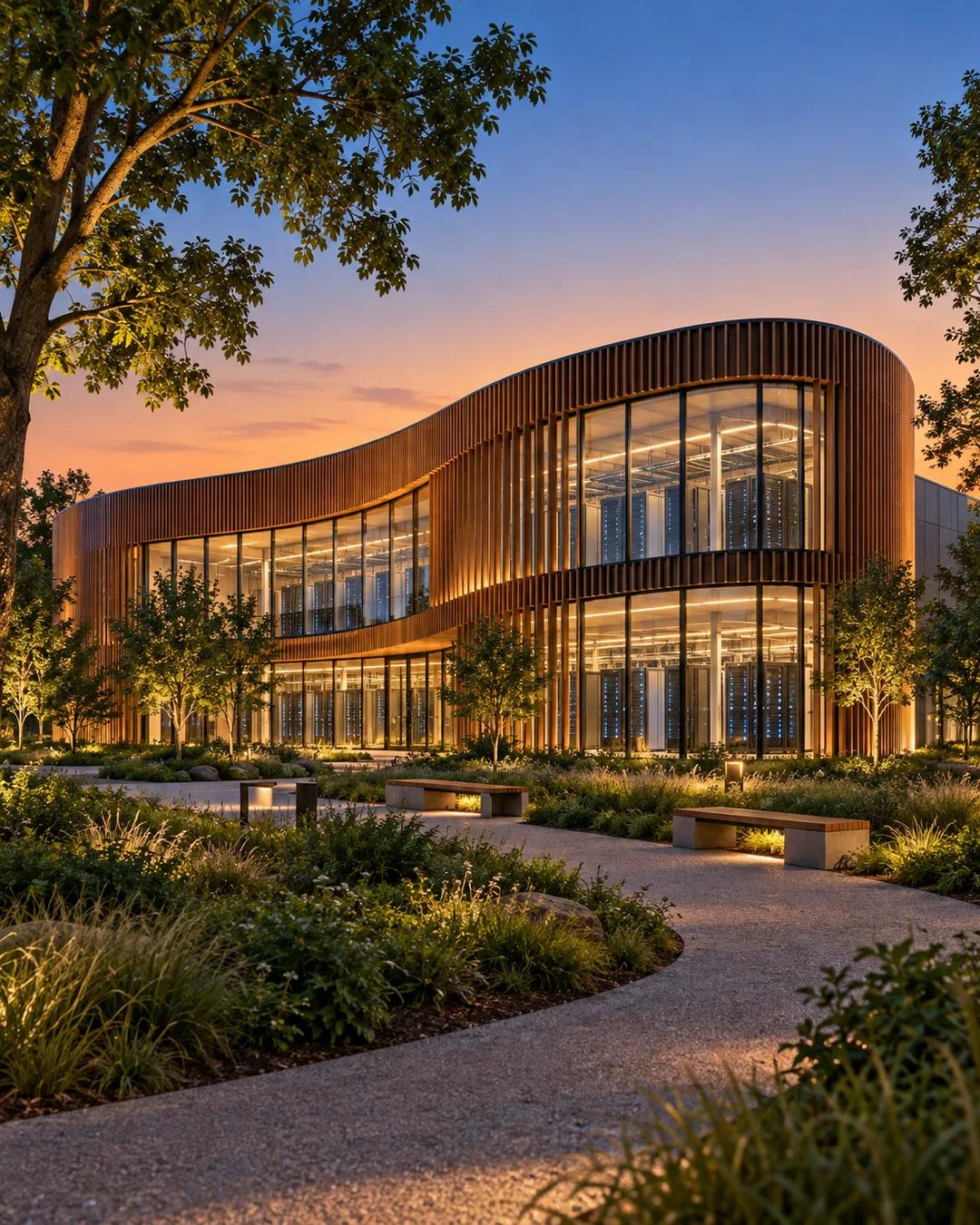
Daniel Gross proposed making the data centers architecturally beautiful or interesting, something that feels good in the neighborhood. On a bill that large, the incremental extra for that is very small.
Past precedents
Industries have used this move before. Cell phone towers were needed everywhere and people disliked the ugly steel ones, so towers were built to look like a pine or a palm tree, with fake bark, fake branches, and plastic needles. Andrew Carnegie built 200 libraries across America while Carnegie Steel was dealing with huge strikes over its brutal labor practices.
Why do data centers need so much cooling?
Nearly all the electricity a computer chip uses ends up as heat, and racks of processors pack that heat into a small space. Many data centers remove it with evaporative cooling, in which water absorbs heat as it turns to vapor. The vapor leaves the building, so the water has to be replaced. Facilities in dry regions can lose a large amount of water this way, which is why water use is a common point in local debates.
What do towns object to about data centers?
Local objections often mention constant noise from cooling fans and backup generators, large blank buildings, heavy truck traffic during construction, and demand on the electric grid. Utilities have to build new lines and generation to serve these sites, and regulators debate who pays for it. Many data centers also hire few permanent workers compared with the size of the property tax bill they cover. Zoning hearings are where most of these arguments play out.
How does a cell tower pass as a tree?
A disguised tower is called a monopine or monopalm. It is a steel pole wrapped in bark-textured cladding, with branches of molded plastic needles bolted on. The antennas sit behind or among the branches, and radio signals pass through the plastic with little loss. Camouflage designs like this are often required by local zoning rules as a condition of approval.
More from My First Million