Korva is a scroll of the internet’s best ideas.
Manufacturing has no AI training data

Code is public
A software engineer working on their own product can improve it recursively, because they use it as they build it. Manufacturing has been offline for 40 years, so no equivalent training data exists.
The missing data
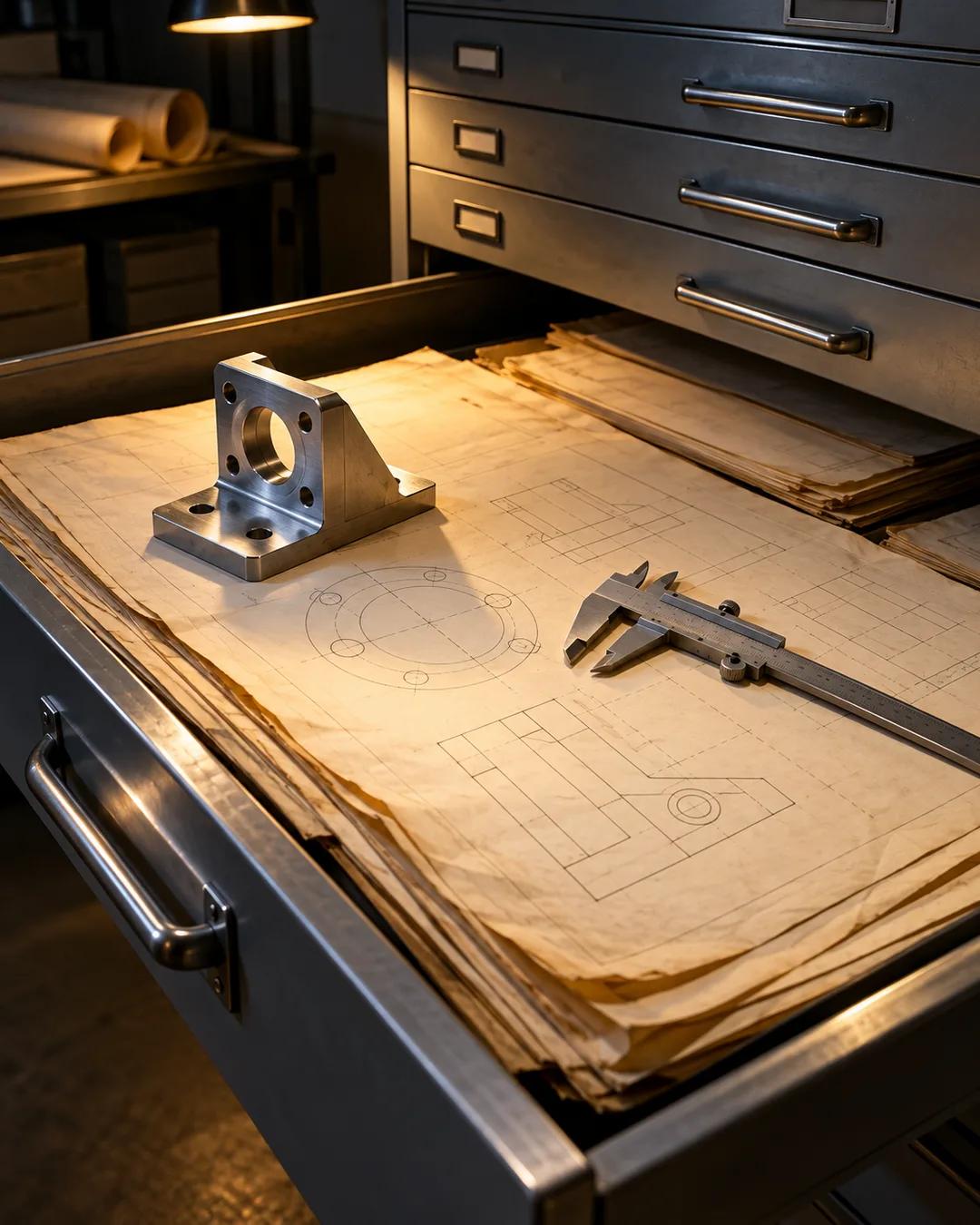
A blueprint alone is not enough to train a model. The model needs manufacturing data, and more importantly quality data on how the output was inspected. The only way to produce that data set is to run automated factories.
Who holds it
That makes a company running automated factories one of the few holders of an AI training set for manufacturing, and Hadrian uses it to make its workforce more productive. Paperwork jobs go first: a law firm needs three partners and a bunch of AI bots, not 10,000 associates shuffling paper. The manufacturing jobs are among the most protected from AI in the country.
Why is code such rich AI training material?
Programmers publish enormous amounts of code in public repositories, with comments, version histories, and discussion explaining what each change does. Questions and answers on sites like Stack Overflow pair problems with working fixes. The BigCode project's dataset The Stack gathers permissively licensed source code from GitHub across hundreds of programming languages.
Why can't a blueprint teach AI about quality?
A blueprint states what a part should be, including its tolerances, but not how real parts turn out. Inspection data records the measured deviations on each piece, taken with tools such as a coordinate measuring machine or a gauge. Statistical process control, developed by Walter Shewhart at Bell Labs in the 1920s, uses such measurements to catch a process drifting before it makes bad parts.
More from The Way I Heard It with Mike Rowe