Korva is a scroll of the internet’s best ideas.
Marriage began as a shared business

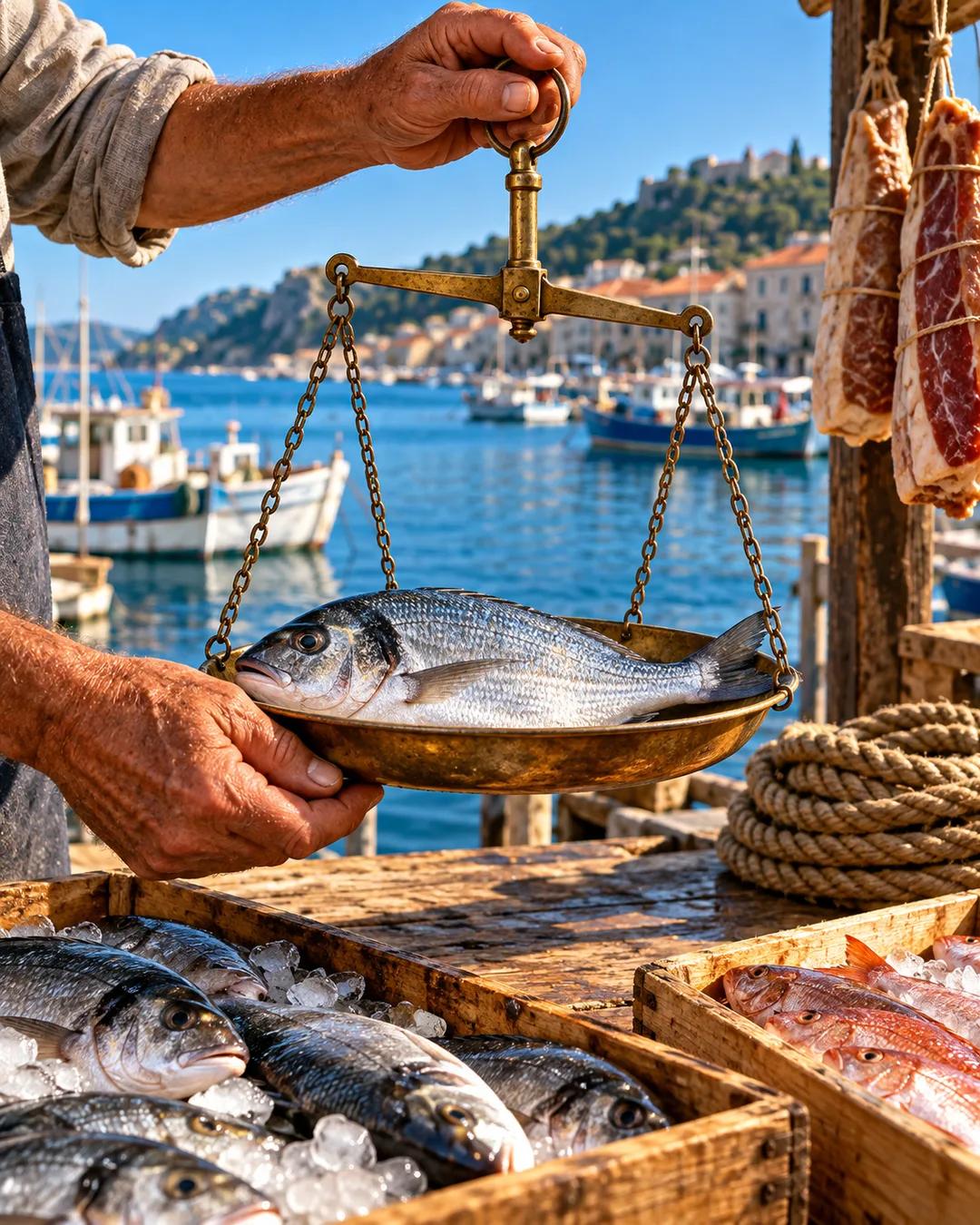
Picture a household where the husband catches the fish and the wife sells them, trading talk with the other fishwives at the pub. Or picture one where he raises the pigs and she butchers them and makes the bacon. Either way, both people spend every day on tasks that keep them fed and earn money, and both do jobs with real, appreciated value.
Men were in charge, and women had to obey. Still, nobody thought women did these jobs because they could do nothing else, and nobody thought men and women held completely different ideas of what needed doing in the home.
Women were often described as yoke mates rather than as sweet little things who had to be taken care of.
How did fishwives make a living?
In many coastal towns of Britain and Europe, fishwives sold the catch their husbands brought in, carrying it in baskets to nearby markets and villages. Some also baited lines and mended nets. Their cash often made up a large share of the household's income. Scottish fishing communities such as Newhaven near Edinburgh were known for their fishwives.
Could widows keep the family business?
Many European guilds allowed a master craftsman's widow to continue the workshop after his death, at least for a time. She often kept the apprentices and journeymen and ran the shop under the guild's rules. Historian Merry Wiesner has documented such widows in German guild towns.
Why is marriage described as a yoke?
A yoke joins a pair of oxen so they can pull one plow, which makes the phrase a picture of two partners sharing a load. The word goes back to Old English geoc, and it shares a root with the Latin iugum. Conjugal comes from the Latin coniugalis, meaning joined together.
More from Civics 101