Korva is a scroll of the internet’s best ideas.
Mathematicians lose only heroism

Why people do math
How much that costs depends on why someone does math. Fields Medal winner Jacob Tsimerman does it largely because he enjoys the challenge and the process and is good at it, and he also finds it beautiful. Many mathematicians draw their main enjoyment from problem-solving in one of its forms, and for them losing it is no trivial matter. Many might not want to do math anymore.
Who comes out ahead
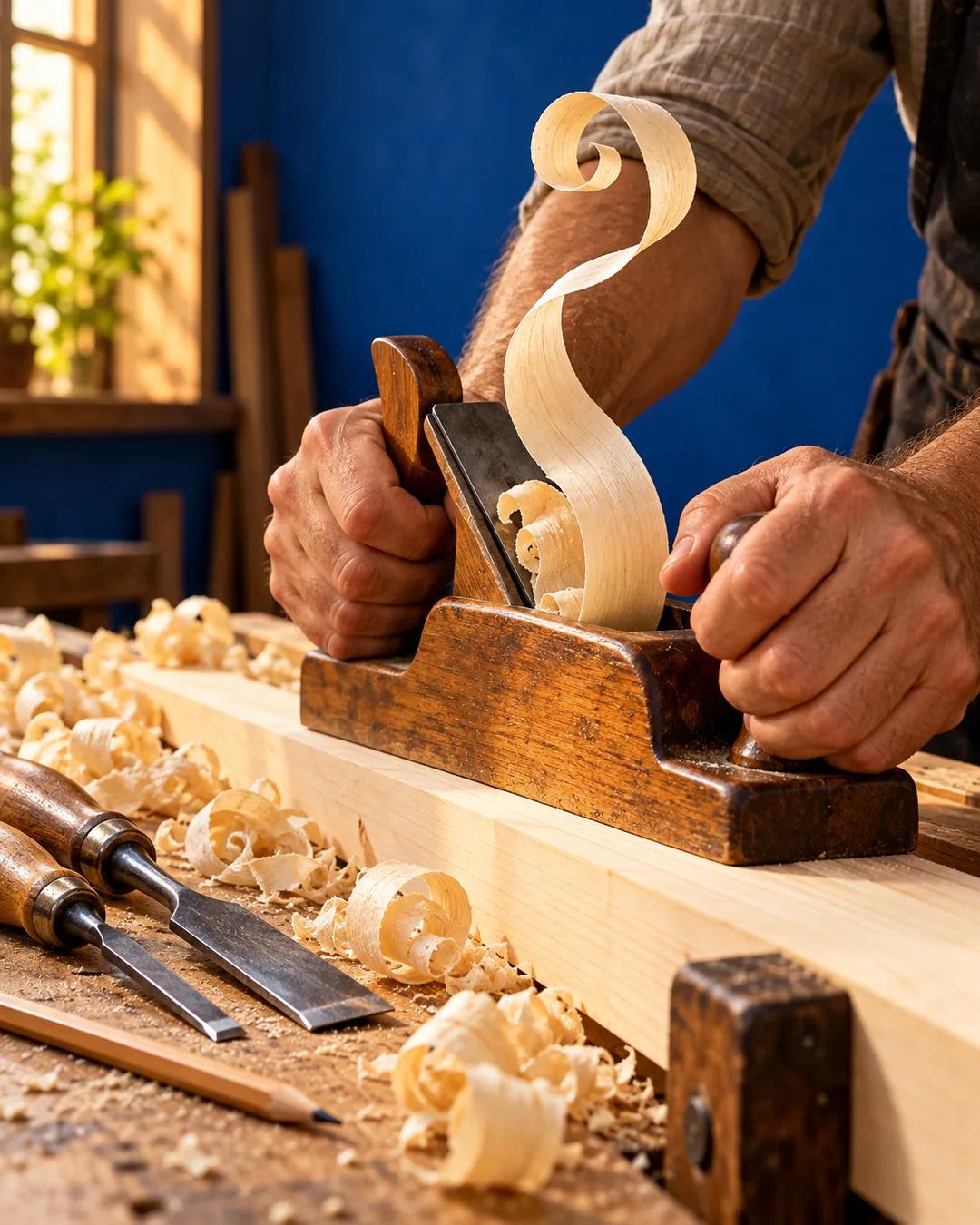
Those who do math to find truth come out ahead, since there is more to learn than ever. Those who love extreme mental difficulty can take on much harder problems, which AI will create. People who just enjoy the old way of discovering math will turn it into a hobby or a sport. Humans can't outrun cars, and there are still sprinters. Machines can probably do woodworking better, and there are still woodworkers.
Meaning without heroism
Most people never get the chance to be heroes, including truck drivers and executive assistants. They find meaning in taking care of their kids and having friends.
Why did chess survive computers beating its champions?
IBM's Deep Blue defeated world champion Garry Kasparov in a six-game match in May 1997. Computers have been stronger than any human player ever since. Professional chess did not disappear: tournaments, rating systems, and top-level matches continued. Magnus Carlsen became world champion in 2013, sixteen years after the Deep Blue match.
Why do people still race when cars are faster?
The first modern Olympic marathon was run in Athens in 1896, in an age when trains and bicycles already outpaced runners. Distance running then grew into a mass pastime over the following century. The Boston Marathon, first run in April 1897, is the oldest annual marathon in the world.
Why did handcraft revive after factories took over?
In the late nineteenth century, designers such as William Morris objected to the quality of factory goods and promoted handmade work. The movement became known as Arts and Crafts. Its followers revived hand weaving, bookbinding, pottery, and furniture making. Its London exhibition society was founded in 1887, and the style spread to the United States and Japan.