Korva is a scroll of the internet’s best ideas.
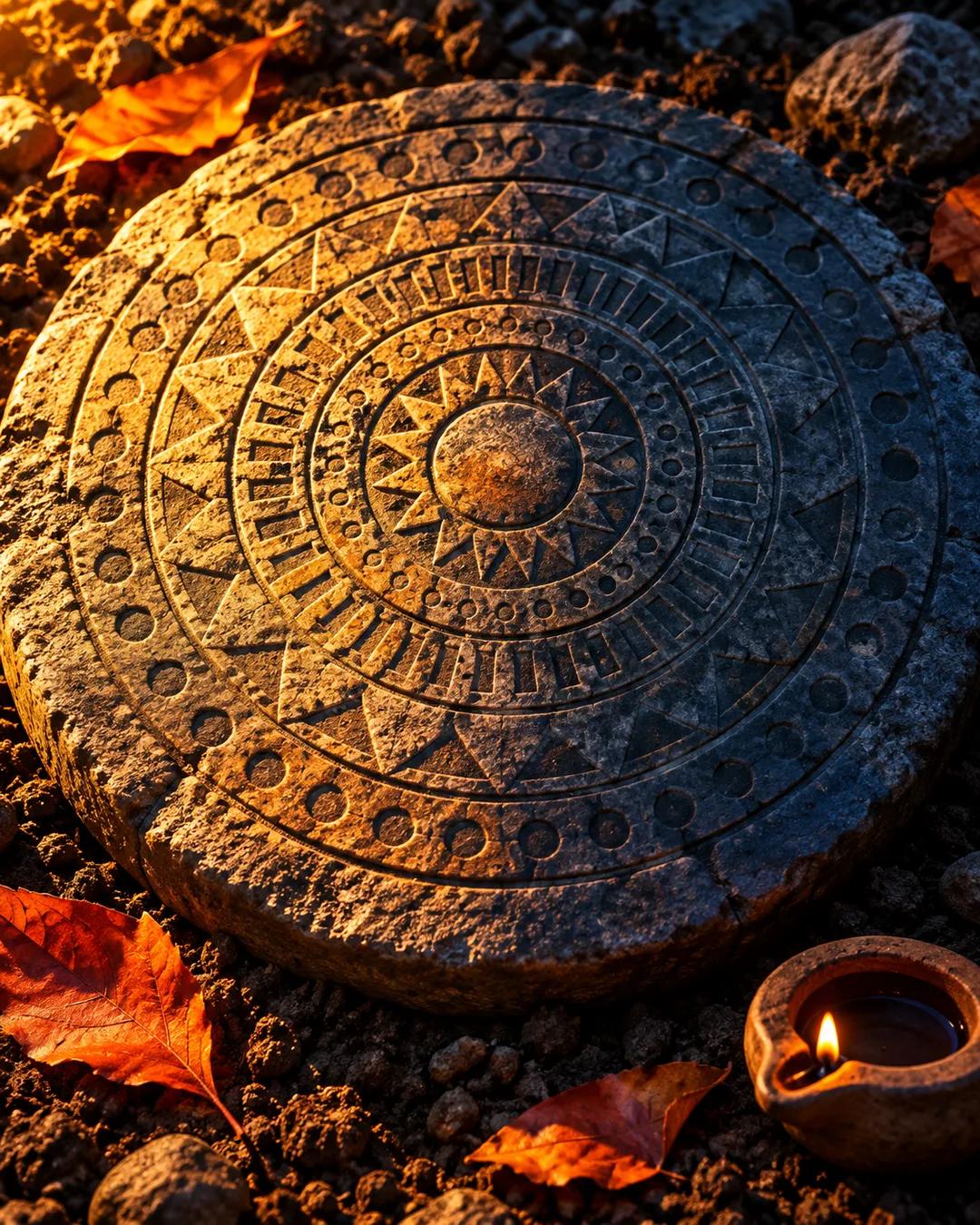
Maya never predicted an end

Circular time
Asked to draw time, a Westerner puts a dot in the present with a line running to the future and another to the past. A Maya draws a circle. Everything that has happened will happen again in one fashion or another, so the Maya never predicted an end, and the 2012 panic was a misunderstanding of the calendar and its cyclical nature.
The first calendar glyph
The earliest calendar glyph known dates to about 600 BC, and it is Zapotec, from the valley of Oaxaca. Cultures across the region traded ideas about calendars, time, and the math around them in the last centuries BC. By the time archaeologists find a calendar carved in stone, people had been thinking about it for a long time.
Most of the world's cultures are cyclically oriented. The straight timeline is the aberration.
Why did 2012 spark an end-of-world panic?
The Long Count's 13th baktun ended on December 21, 2012. Popular books and films read the rollover as a prophecy of doom. Only one damaged inscription, Monument 6 from Tortuguero in Tabasco, mentions the date, and it speaks of the descent of a god. The Maya calendar kept counting after that day, and highland Guatemalan daykeepers still use the 260-day count.
What was carved with the earliest glyph?
The earliest known calendar glyph comes from San Jose Mogote in the Valley of Oaxaca. It was carved on a stone slab showing a bound captive, with the date sign 1 Earthquake. The Zapotec carved the stone around 600 BCE. It is among the oldest known writing in Mesoamerica.