Korva is a scroll of the internet’s best ideas.
McCain memorized poems in Hanoi
The poet he named
Robert Service is no Rudyard Kipling, and no college is offering a course in him, so McCain drew some mockery for the answer.
He had memorized all of it in Hanoi. During his years there he could have been released, and he stayed because the others were there.
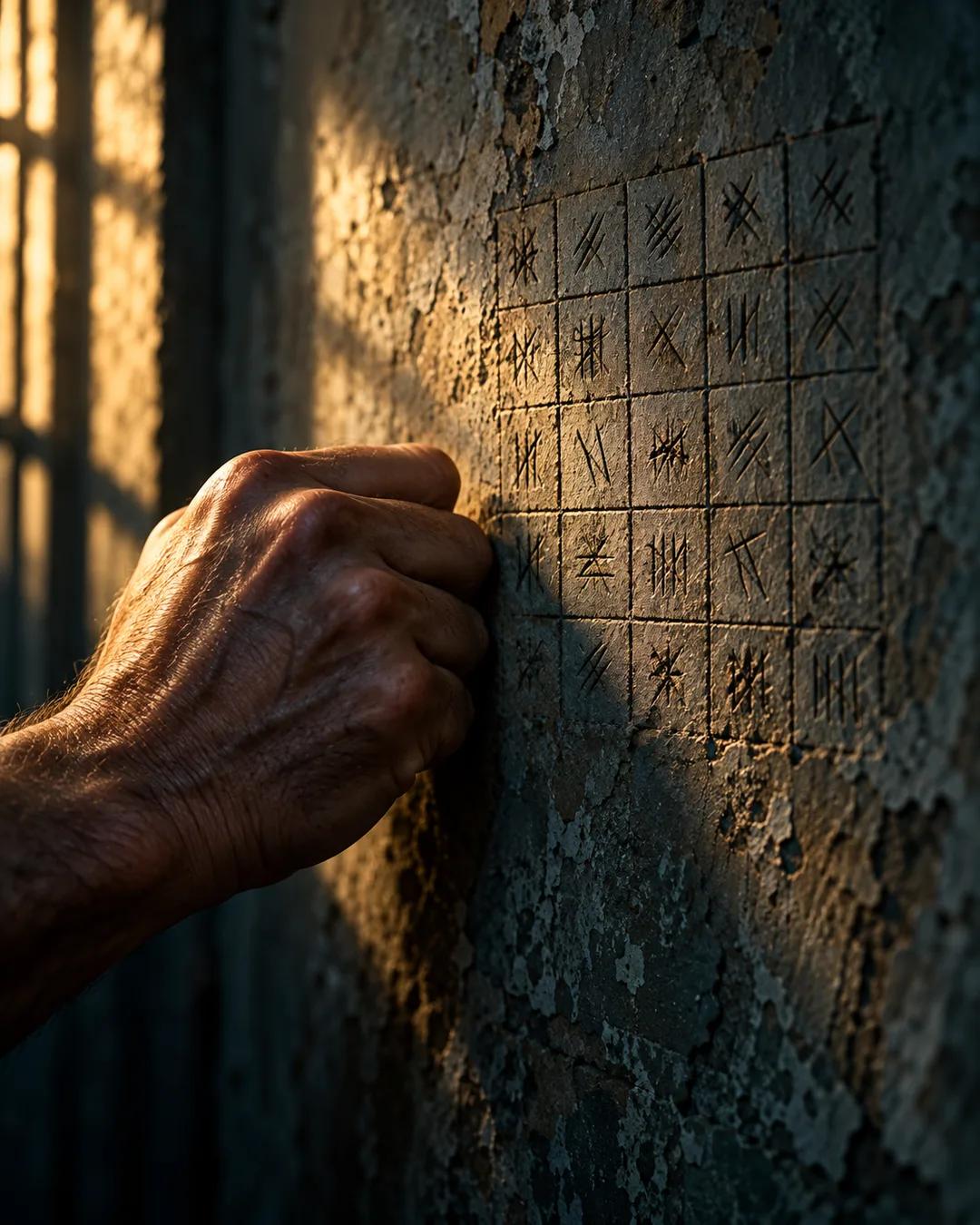
Learning by tapping
Prisoners could tap messages through the walls on a five by five grid, and McCain used the grid to learn. He asked the men in the cells on either side of him what they remembered from high school, old poetry, and old hymns, and they tapped it out to him. Then he memorized it.
Years later, on trips to the edges of war zones, he could recite far more than the people traveling with him expected. Those who asked how he had learned so much got the same answer: in captivity, all he had was time.
Why do Robert Service's poems stick in memory?
Robert Service was a British-born poet who lived in the Yukon and published Songs of a Sourdough in 1907. His ballads, such as The Cremation of Sam McGee, use strong rhyme, steady meter, and a story that moves forward. Those features give a reader cues for the next line, which makes the verse easier to memorize. Psychologist David Rubin documented the same effect in oral traditions in his book Memory in Oral Traditions.
How did the prison tap code work?
The tap code arranged the alphabet in a five by five grid, with the letter K left out and C standing in for it. A prisoner tapped the row number, paused, and then tapped the column number to send one letter. Air Force Captain Carlyle Harris, shot down in 1965, helped introduce the code to American prisoners in Hanoi. Messages passed through walls this way, one letter at a time, for years.
More from Not Dead Yet