Korva is a scroll of the internet’s best ideas.
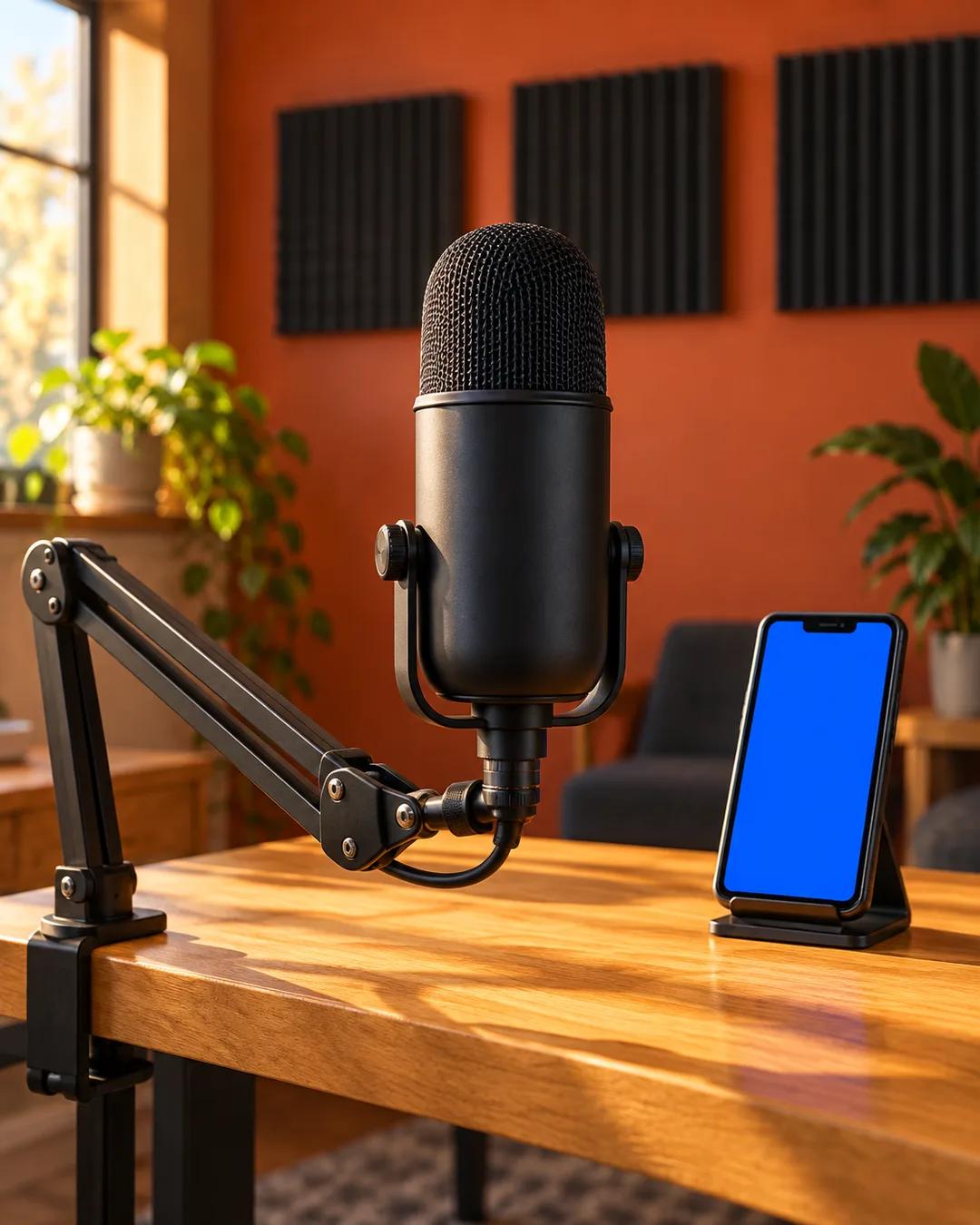
Media is cheaper to start now

Radio carried so much infrastructure and so many people in the studio. Even a podcast team with a whole staff is far leaner than what the same distribution took 40 years ago. Bloated media companies that never adapted to social media and the influencer-first era have revenue and cost structures that no longer make sense.
Individuals and lean teams, whether they build on subscriptions or ads, can build in niches with a low cost basis and low head count. Slow Ventures runs a separate fund for creators and creator-led businesses, on the bet that the internet is getting more siloed, with algorithms and interests driving everything. People who are cult leaders in their own pockets of it can build businesses on top of their audience. Scrappy creators who understand the social media game and run lean teams can pocket six to low seven figures a year, and instead of paying for Meta ads, their distribution is built in, which gives their go-to-market a massive advantage.
Why did radio need such large teams?
Broadcast radio ran on limited spectrum, so stations needed government licenses, transmitters, towers, and studios before a single listener could tune in. Staff covered engineering, programming, sales, and operations to keep the signal on the air all day. Podcasts skipped all of it by using RSS feeds, which let any listener's app fetch new files from a server. The word podcast was coined in 2004 by journalist Ben Hammersley in The Guardian.
How can a small audience support a business?
Wired editor Chris Anderson described the long tail in a 2004 article, arguing that online distribution makes niche products worth selling because shelf space no longer limits them. In a 2008 essay, Kevin Kelly proposed that a creator needs only 1,000 true fans each paying 100 dollars a year to earn 100,000 dollars. His estimate assumed a creator with direct access to fans and no middleman taking a large cut. Subscriptions, newsletters, and memberships are built on the same logic.
More from The Prof G Pod with Scott Galloway