Korva is a scroll of the internet’s best ideas.
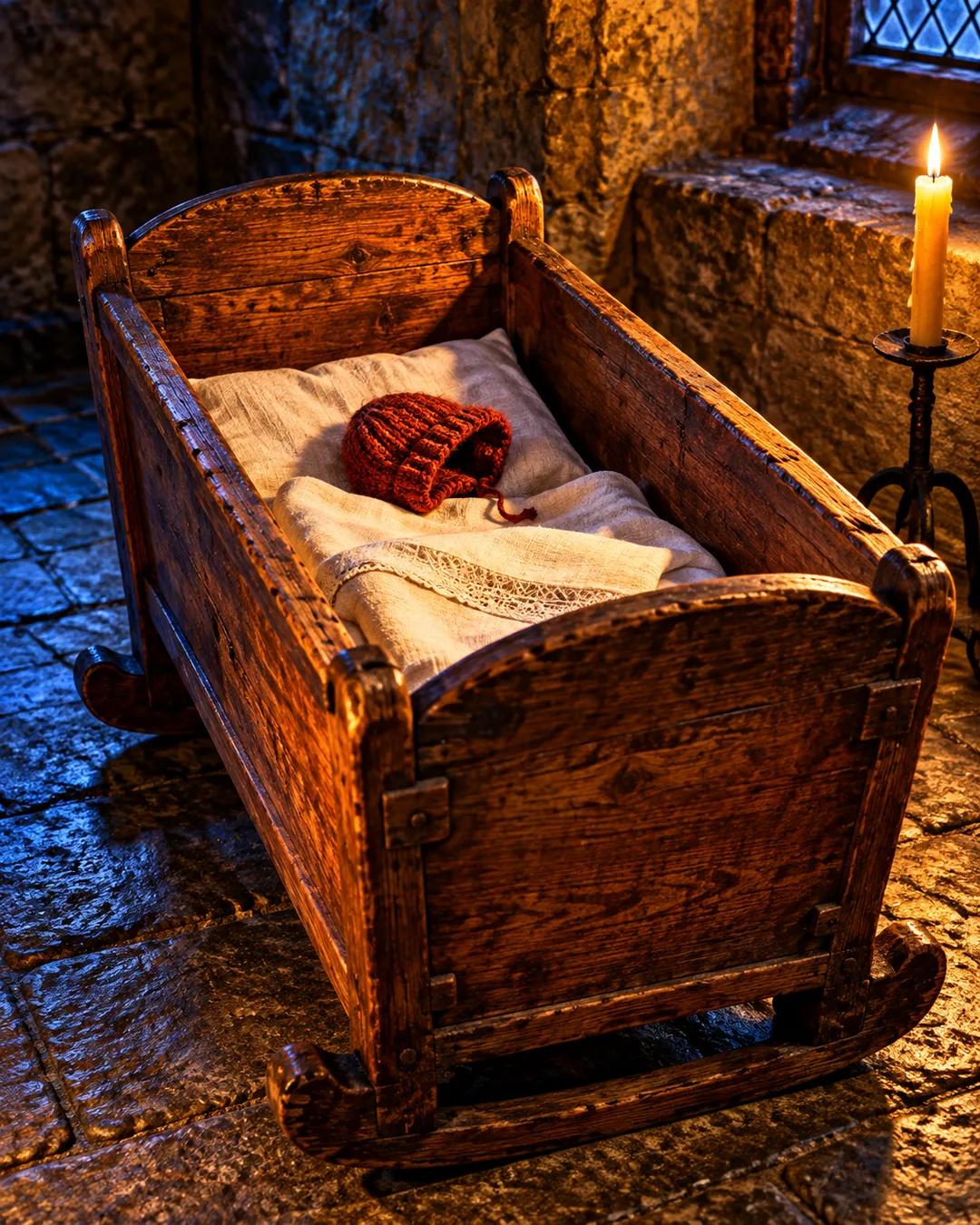
Medieval parents grieved like us

The old theory
In the 1960s, the French historian Philippe Ariès argued that medieval people saw children as defective or incomplete adults and did not love them the way parents do now. The idea escaped academia and shaped how the public pictures the Middle Ages. A wealth of later scholarship across Europe has since overturned it, and Nicholas Orme's Medieval Children, the leading study for England, finds nothing in it worth keeping.
Child mortality was high: about 25 percent of children died in their first year, and another 15 percent by their tenth. High mortality did not make parents indifferent. Few diaries or letters survive in which they described their grief, but others recorded it.
A royal loss
Henry III and Eleanor of Provence had a fifth child, Katherine, who was born disabled and never learned to speak. She died at three years old, and both parents were heartbroken. The chronicler Matthew Paris wrote that Queen Eleanor fell sick with grief and found no relief in medicine or human consolation.
Why did Ariès think childhood barely existed?
Ariès leaned heavily on medieval art, where children often appear as small adults with adult proportions and clothing. He took this as a sign that medieval society had no distinct idea of childhood. His book, first published in French in 1960, carried the argument far beyond universities. Later historians pointed out that artists followed conventions that did not aim at realism, and that medieval writers on medicine and education divided life into stages such as infancy, childhood, and adolescence.
Why do so few letters about a child's death survive?
Literacy was limited in the Middle Ages, and parchment was expensive. Surviving personal letters mostly come from the gentry and nobility, such as the Paston family of Norfolk in the fifteenth century. Much of what people did write concerned property and business rather than private feeling. Grief shows up instead in chronicles, in wills that paid for prayers, and in tomb monuments.
Why did so many medieval children die young?
Infectious diseases such as dysentery and respiratory infections killed infants and toddlers, and there were no vaccines or antibiotics. Contaminated water and poor food storage spread stomach infections, especially around weaning, when babies lost the protection of breast milk. Poor harvests brought famine to whole regions. The Black Death of 1348 killed an estimated third or more of Europe's population.
More from Samuel Hughes